

Finding packaging design inspiration is one of the biggest challenges for small business owners and independent designers. This guide focuses on examples, reference sources, materials, and structural ideas you can study—not on hiring a packaging design service.
Many people search for ideas on Pinterest or Instagram, but the real inspiration usually comes from observing real packaging systems, materials, and structures used by successful brands.
This guide explains where to find real packaging inspiration, how to analyze it like a designer, and how small businesses can apply those ideas to create professional packaging without large budgets or factories.
What Is Packaging Design Inspiration?
Packaging design inspiration refers to the process of studying existing packaging solutions, materials, and structures to generate new design ideas.
In practical terms, inspiration comes from:
- Real products on store shelves
- Brand packaging systems
- Sustainable packaging innovations
- Structural packaging design
- Material experimentation
Good designers do not copy packaging.
They analyze what works and apply the principle in a new way.
Why Packaging Inspiration Matters for Small Businesses
For small businesses, packaging is more than protection. It is part of the customer experience and brand perception.
Strong packaging can:
- increase perceived product value
- improve brand recognition
- reduce shipping damage
- create a memorable unboxing experience
Example:
A handmade candle brand may use:
- kraft mailer boxes
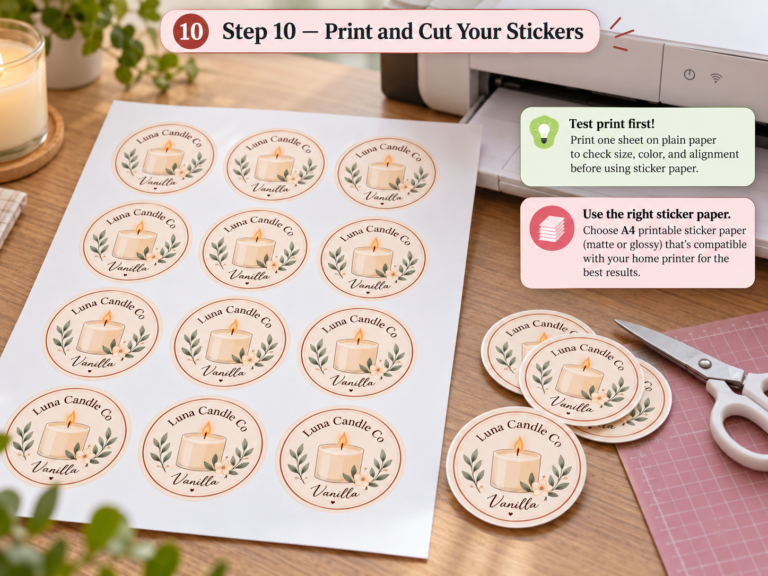
- custom labels
- recyclable tissue paper
- minimalist branding
This simple packaging system looks professional without requiring large production volumes.
Real Sources of Packaging Design Inspiration
Most designers rely on a few key platforms to discover new packaging ideas.
Below are the most useful sources used in the industry.
1. Pinterest (Visual Inspiration Platform)
Pinterest is one of the largest sources of packaging inspiration for small businesses.
Search terms that work well include:
- packaging ideas for small business
- eco friendly packaging ideas
- soap packaging ideas
- candle packaging design
- minimalist packaging design
Pinterest is especially useful for discovering:
- handmade packaging ideas
- DIY packaging systems
- creative label applications
- small batch packaging solutions
However, designers should analyze the idea rather than copy it directly.
2. Packaging Design Websites
Professional packaging design platforms showcase real packaging projects created by agencies and designers.
Examples include:
These platforms show:
- structural packaging concepts
- brand packaging systems
- sustainable packaging solutions
- experimental materials
They provide a deeper understanding of how packaging supports brand identity.
3. Real Products in Stores
One of the best sources of inspiration is simply observing products in real stores.
Look closely at:
- cosmetics packaging
- candle packaging
- soap boxes
- jewelry boxes
- food packaging
Ask yourself:
- Why was this box structure chosen?
- What material was used?
- How does the label communicate the brand?
This method helps designers understand real-world packaging decisions.
4. Structural Packaging Design Libraries
Structural design is often overlooked in packaging inspiration.
Instead of focusing only on graphics, study box structures such as:
- tuck end boxes
- self locking mailer boxes
- sleeve packaging
- tray and sleeve packaging
- folding cartons
These structures influence:
- production cost
- shipping efficiency
- sustainability
For example, self-locking mailer boxes eliminate glue and simplify assembly, making them ideal for small businesses.
Many modern brands now look for eco-friendly packaging design inspiration when developing their packaging systems.
Eco-Friendly Packaging Inspiration
Sustainable packaging is becoming increasingly important for small brands.
Common eco-friendly packaging options include:
- kraft paperboard boxes
- recycled cardboard mailers
- compostable packaging materials
- soy-based printing inks
- minimal packaging systems
Many small businesses are shifting toward simple recyclable packaging rather than complex plastic packaging.
This approach reduces environmental impact and aligns with modern customer expectations.
Practical Method to Find Packaging Ideas
Instead of endlessly scrolling for inspiration, follow this simple process.
Step 1 — Choose Your Product Type
Examples:
- candles
- handmade soap
- cosmetics
- jewelry
- accessories
You can see real examples in this guide:candle packaging ideas for small business
Step 2 — Study Existing Packaging
Look at:
- box structures
- materials
- labeling systems
- printing techniques
Step 3 — Simplify the System
Small businesses should prioritize:
- simple box structures
- minimal printing
- label-based branding
- recyclable materials
Step 4 — Adapt the Idea
Use inspiration to create your own system.
For example:
Instead of copying a luxury brand package, you might create:
- a kraft mailer box
- a custom label
- branded tissue paper
The result is affordable but still professional.
My Personal Experience (Busho Designer)
When I started designing packaging templates for Busho Designer, I realized that many small businesses struggle with the same question:
“What type of packaging should I use for my product?”
Instead of complicated packaging systems, most small brands need:
- simple box structures
- printable dielines
- eco-friendly materials
- packaging that can be produced in small batches
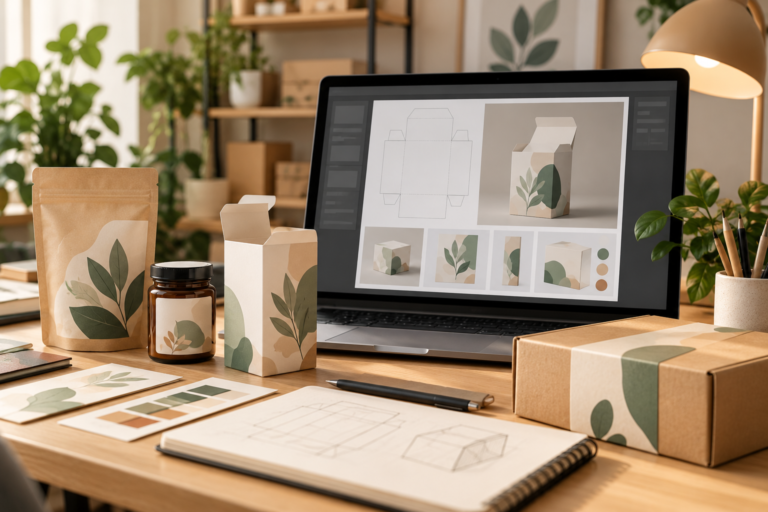
That insight is exactly why I began creating glue-free structural packaging templates.
These templates allow small businesses to print and assemble professional packaging without factories or large minimum orders.
Tools Designers Use for Packaging Inspiration
These tools are widely used by designers working in packaging.
| Tool | Purpose |
|---|---|
| visual inspiration | |
| Behance | professional design projects |
| Pacdora | structural packaging mockups |
| Adobe Illustrator | dieline creation |
| Packaging of the World | packaging case studies |
These tools help designers explore both visual design and structural packaging solutions.
Practical Tips for Finding Better Inspiration
Good inspiration is intentional.
Use these strategies:
- analyze packaging systems, not just graphics
- study materials used by successful brands
- observe packaging in physical stores
- explore structural packaging design
- focus on sustainability and efficiency
The goal is not copying.
The goal is understanding why a packaging solution works.
There are many places where designers and entrepreneurs can find packaging design inspiration.
Packaging inspiration is not about copying beautiful designs.
The real value comes from studying packaging systems, materials, and structures used by successful brands and adapting them for small-scale production.
Small businesses can create professional packaging by combining:
- simple box structures
- recyclable materials
- clear branding
- practical production methods
Good packaging design inspiration helps small businesses create professional packaging without large budgets.
FAQ
Where can I find packaging design inspiration?
The best sources include Pinterest, Behance , Packaging of the World, retail store packaging, and structural packaging libraries.
What type of packaging works best for small businesses?
Simple structures such as mailer boxes, folding cartons, and sleeve packaging are often the most practical.
How do designers use inspiration without copying?
Designers analyze packaging systems, materials, and structures, then adapt those principles to create original designs.
What is eco-friendly packaging?
Eco-friendly packaging uses recyclable, compostable, or minimal materials to reduce environmental impact.
Why is packaging important for small brands?
Packaging improves product perception, strengthens brand identity, and creates a memorable customer experience.
If you want to create professional packaging without hiring a packaging engineer, explore the structural packaging templates available on Busho Designer.
These templates are designed for small businesses that want simple, eco-friendly packaging systems that can be produced in small batches.
Looking for recommended packaging tools, printers, supplies, and software? Visit our Small Business Packaging Tools page.