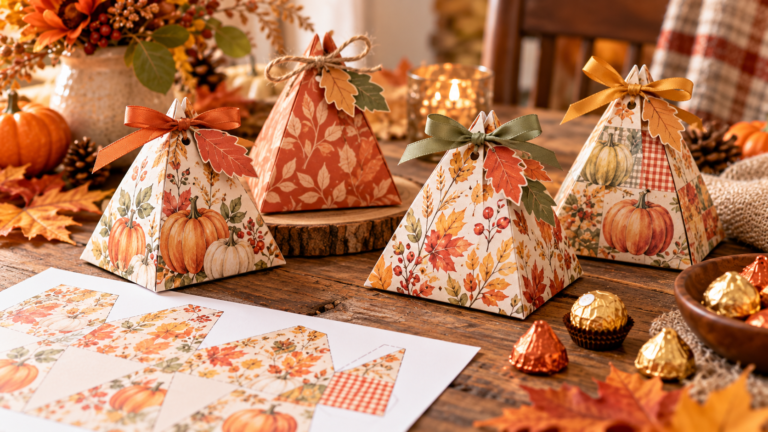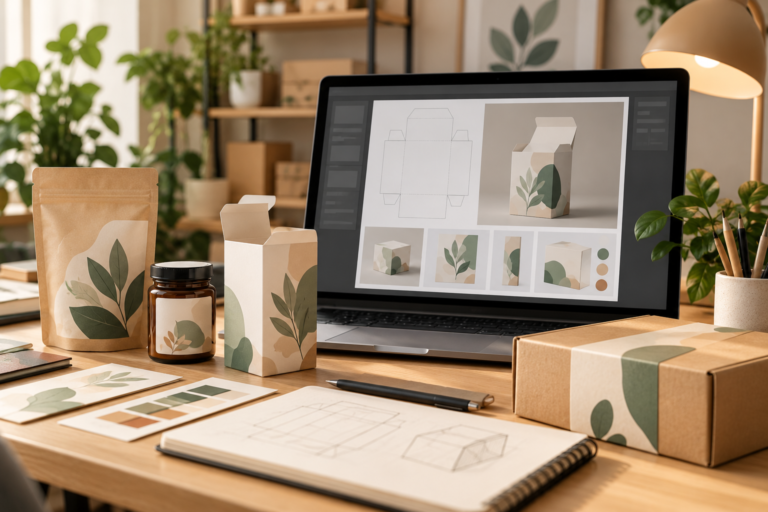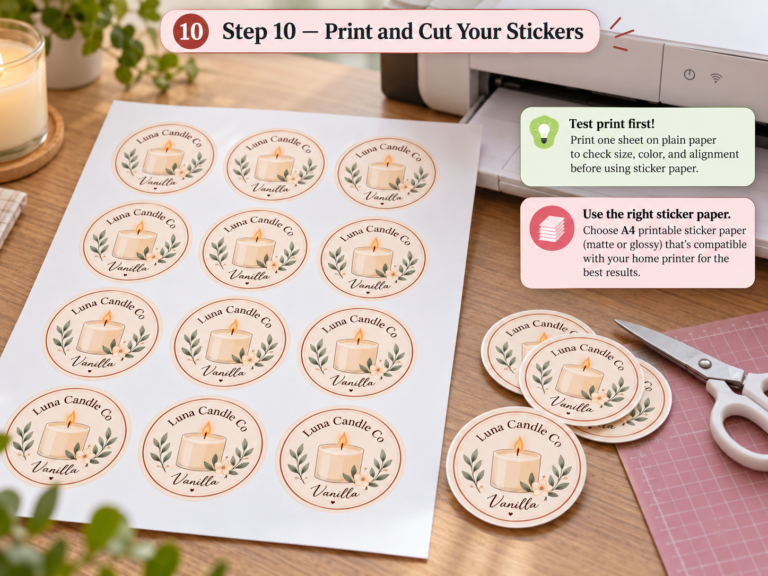

Second life packaging goes beyond recyclability by designing boxes, wraps, and inserts to be reused, repurposed, or upcycled after the first unboxing. This “upcycling by design” approach can turn a one-time package into a longer-lasting brand touchpoint instead of immediate waste.
Why Designing for a “Second Life” Matters
In the competitive US market, consumers prioritize brands that align with their environmental values. Upcycling, or the process of transforming by-products or waste into new materials of better quality, is a powerful tool for brand storytelling.
Sustainable Packaging Designed for a Second Life
1. Plantable Seed Paper: Growing Your Brand
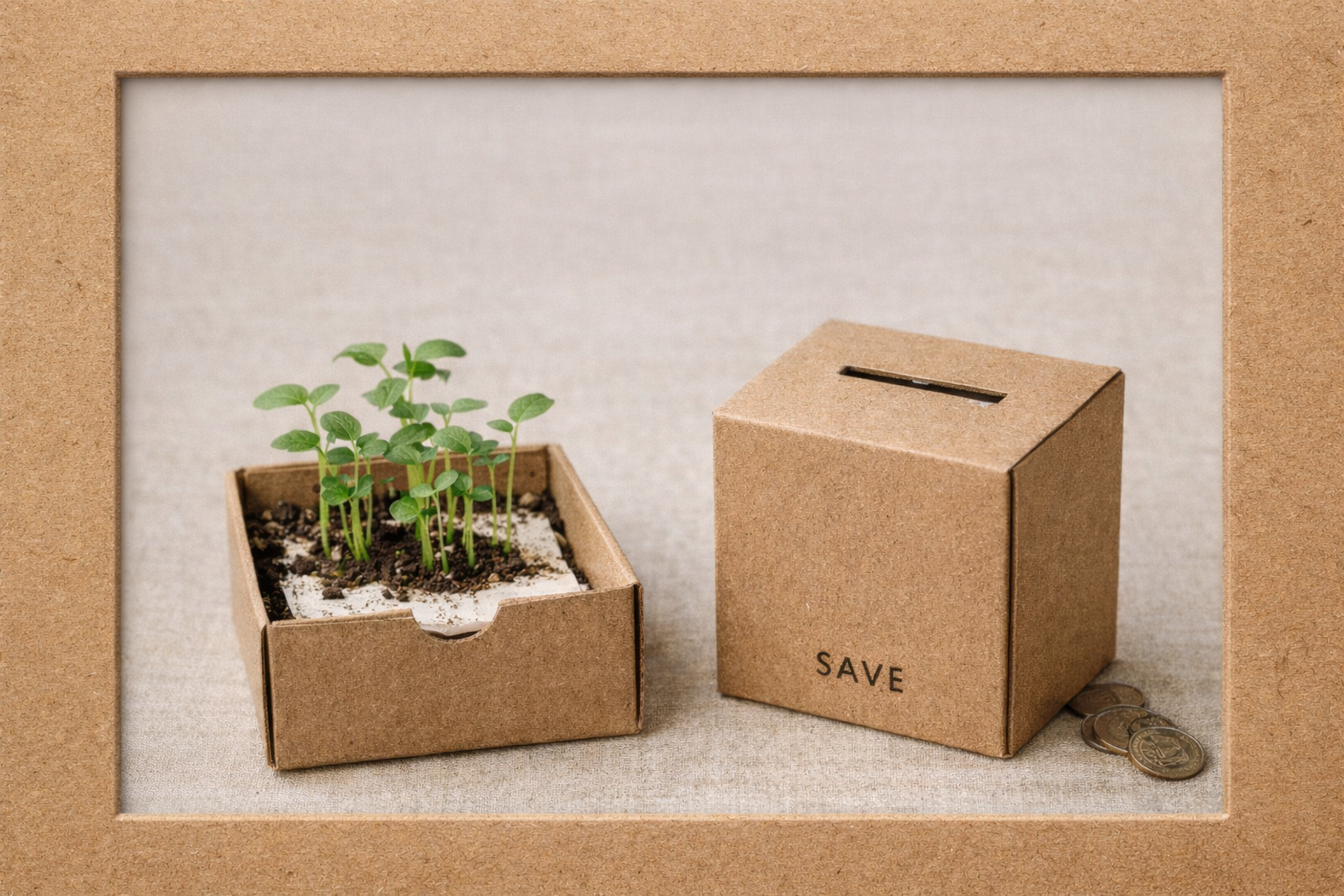
Seed paper is a biodegradable material made from post-consumer waste embedded with wildflower or herb seeds.
- The Experience: Instead of tossing the box, the customer soaks it and plants it.
- Designer Tip: Use Soy-based inks. Traditional petroleum inks can be toxic to the soil and prevent seeds from germinating.
2. Adaptive Kraft Design: From Shipping to Decor
Kraft paper is prized for its high tensile strength and rustic aesthetic.
- The Concept: Design the interior of a box with patterns (like Art Deco or Minimalist Geometrics) so it can be flipped inside-out to serve as a storage organizer or a candle sleeve.
- Pro Tip: Use perforation lines in your die line to guide the customer where to cut.
Strategic Comparison: Disposal vs. Reuse
| Feature | Traditional Eco-Packaging | Second-Life Packaging (Upcycling) |
| End of Life | Recycled or Composted | Repurposed into a new product |
| Brand Exposure | Ends at disposal | Lasts for months/years |
| Consumer Action | Low engagement | High creative engagement |
Real-World Expert Insights: My Human Experience
“During a recent project for a boutique candle brand, we replaced standard inserts with Seed Paper coasters. Not only did we reduce waste, but customers began sharing photos of their sprouts on Instagram. We used Adobe Illustrator’s Die line tools to ensure the instructions were integrated into the design, not printed on a separate leaflet. This single change increased the brand’s social media engagement by 22%.
Sustainable Entities & Tools to Know
- Circular Economy: An economic system aimed at eliminating waste and the continual use of resources.
- FSC Certified: Paper sourced from responsibly managed forests.
- Pre-flighting: The process of checking digital files for errors before printing to avoid wasted runs.
- Eco-Enclose / Noissue: Leading US suppliers for sustainable packaging materials.
Sustainable Packaging Upcycling is a design strategy where packaging is engineered for secondary use. Key methods include using seed-embedded paper for planting and die-cut Kraft board for household utility. This approach minimizes the carbon footprint and enhances the Circular Economy by extending the lifecycle of printed materials.
Practical Tips for Designers
- Avoid UV Coatings: They make paper non-compostable. Use Water-based Varnish instead.
- QR Codes: Replace bulky manuals with a single QR code to save paper.
- Minimalist Ink Coverage: Use the natural texture of the paper as a design element.
The most sustainable package is the one that never enters the landfill. By integrating functionality into your die lines, you turn “trash” into a “treasure” that keeps your brand in front of the customer.
FAQ
- What is the best ink for plantable packaging? Soy-based or vegetable-based inks are best as they are non-toxic and biodegradable.
- Can Kraft paper be recycled after being upcycled? Yes, as long as it isn’t contaminated with heavy glues or plastic laminates.
- Does upcycling design cost more? Initially, the design phase may take longer, but it often saves money on inserts and marketing.
- What is a Circular Economy in design? It is a model where products are designed to be reused, repaired, or composted rather than discarded.
- How do I tell customers to reuse the box? Include clear “How-to” icons or a “Second Life” instruction panel on the bottom of the box.
Ready to print responsibly?
Use these eco-friendly paper, ink, and packaging principles in your next project.
Eco-Friendly Printing for Designers: What Actually Matters (and What Doesn’t)