
Top 3 Sustainable Home Printers for 2026
The shift toward conscious consumerism in the U.S. has transformed how designers approach production. For small business owners, implementing sustainable home printing is the most effective way to reduce overhead while aligning with eco-conscious brand values. This guide explores the high-performance hardware and biodegradable materials necessary to create professional, Earth-friendly packaging right from your studio. Embracing sustainable home printing allows brands to meet the growing demand for eco-friendly solutions.
The Future of Green Printing
To achieve sustainable home printing, transition from cartridge-based models to ink tank printers like the Epson Eco Tank. Pair these with recycled cardstock (200–250 GSM) and water-based inks to reduce plastic waste by 90% and lower energy consumption. This setup supports on-demand sustainable packaging design, minimizing both carbon footprints and material overhead.
2. Top-Rated Eco-Friendly Printers for U.S. Designers
By focusing on sustainable home printing, businesses can not only minimize waste but also enhance their market appeal in an increasingly eco-conscious world.
In the US market, efficiency and waste reduction are key drivers of sustainability. Ink tank printers have revolutionized this area by eliminating single-use plastic ink cartridges.
| Model | Key Feature | Best For | Price (USD) |
| Canon Pixma G6020 | Heat-Free Technology | High-volume eco-labels | ~$249 |
| Epson EcoTank ET-2850 Printer | 45% Recycled Plastic Build | Color-accurate branding | ~$179 |
| Canon Pixma G6020 | High-Yield Pigment Black | Sharp text & heavy duty cycles | ~$299 |
Why is energy-efficient printing important?
Modern printers now carry ENERGY STAR and EPEAT certifications. These ensure the device consumes minimal power during idle times, a crucial factor for “always-on” home studios in the U.S.
Investing in sustainable home printing technologies can lead to significant long-term savings and a reduced environmental impact.
3. High-Performance Materials for Sustainable Packaging Design
Implementing sustainable home printing practices is not just beneficial for the planet; it can also improve your brand’s image and customer loyalty.
Choosing the right materials for sustainable home printing is essential. This ensures your packaging is both environmentally friendly and effective.
The foundation of a green brand is the substrate. Choosing the right recycled cardstock ensures your packaging is both durable and compostable.
- PCW (Post-Consumer Waste) Cardstock: Look for “100% PCW” labels. Brands like Neenah Environment (available at Amazon and specialized U.S. paper distributors) offer premium textures in 80lb and 100lb weights.
- Hemp and Sugarcane Fibers: These are “tree-free” alternatives that grow faster than timber. They provide a unique tactile experience that communicates luxury and sustainability.
- FSC-Certified Papers: Ensures the pulp is sourced from responsibly managed forests that provide environmental, social, and economic benefits.
4. Professional Specs: Ink and Weight
To master sustainable packaging design, you must match your ink type to your media weight.
- Ink Type: Opt for Pigment-based inks (like Epson’s Claria ET) for your black text. They are more water-resistant and durable than dye-based inks, reducing the need for plastic lamination.
- Weight (GSM): For retail boxes, use 216–250 GSM (80lb – 92lb Cover). For inserts and “Thank You” notes, 120–150 GSM is sufficient.
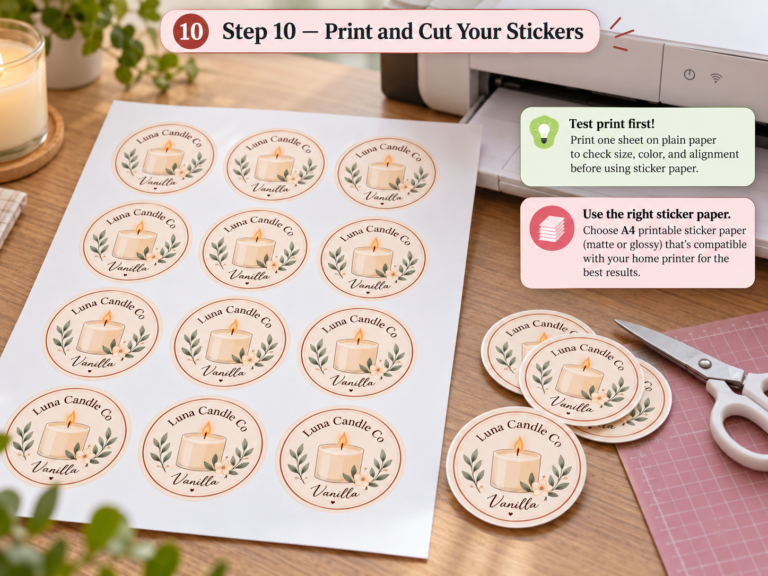
- Adhesives: When printing labels, choose compostable adhesive paper. Standard vinyl stickers are plastic-based and non-recyclable.
Your ink choices play a crucial role in sustainable home printing. Selecting the right type can minimize waste and environmental impact.
5. 3 Actionable Steps to Greener Printing
Ready to optimize your workflow? Follow these steps:
- Switch to Draft Mode for Proofs: Save up to 30% of your ink by printing initial design iterations in “Draft” or “Eco” mode.
- Utilize Manual Feed Trays: When using heavy recycled cardstock, use the rear manual feed. This prevents the “U-Turn” path that causes paper jams and mechanical wear.
- Design for “Ink Minimalism”: Embrace “White Space” in your designs. Not only is it a modern U.S. design trend, but it also significantly reduces ink consumption per unit.
Places to buy in the United States of America
- Devices: Best Buy, Staples and B&H Photo Video offer the best warranties on eco-friendly printers.
- Sustainable Paper: French Paper Co. and EcoEnclose are industry favorites for high-quality, sustainable American-made stocks.
Sustainable printing is just one part of a successful brand strategy. Ready to transform your product packaging into a powerful brand statement?
Browse the latest design templates and articles from Busho Designer.
For more ideas on sustainable home printing, check out our latest resources and tips.
Looking for recommended packaging tools, printers, supplies, and software? Visit our Small Business Packaging Tools page.