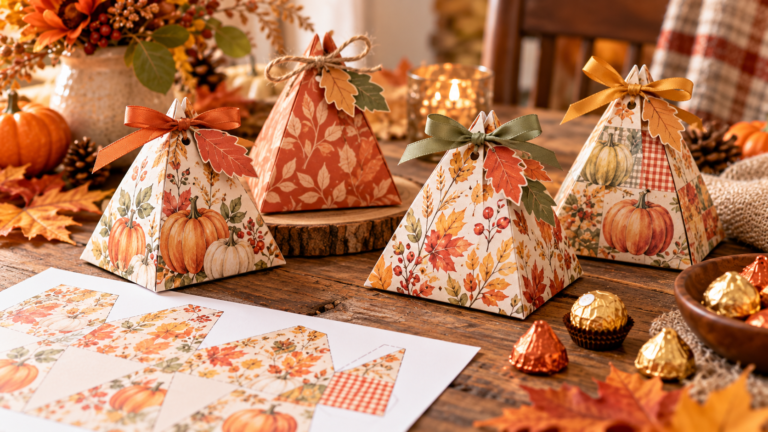

Discover sustainable packaging for small business in 2026: materials, best practices, realistic tips, and eco-friendly strategies to reduce waste and elevate your brand.
Why This Topic Matters
Sustainable packaging is no longer “just a trend.” In 2026, it’s a competitive advantage for any small business selling physical products—online or locally. This guide gives you clear, practical, and actionable strategies to switch to eco-friendly packaging without increasing your costs.
What is sustainable packaging?
Sustainable packaging refers to materials and processes designed to reduce environmental impact through recycling, compostability, and low-waste production.
It’s packaging that uses fewer resources, breaks down naturally, and fits into a circular economy.
Why Sustainable Packaging Matters in 2026
Consumers in the U.S. are choosing eco-friendly brands more than ever. Research from McKinsey, Statista, and IBM shows:
- 70% of American shoppers prefer environmentally-responsible brands.
- 55% are willing to pay more for sustainable packaging.
- Etsy and Shopify highlight sustainable shops in search results.
This isn’t optional anymore—it’s smart business.
Benefits for small business (Realistic + Practical)
1. Lower Long-Term Costs
Eco-friendly packaging reduces waste, meaning fewer materials, fewer returns, and fewer complaints about damaged items.
2. Stronger Brand Positioning
Using sustainable materials instantly elevates your brand’s image—especially on Etsy, Pinterest, and Instagram, where aesthetics matter.
3. Faster Shipping Prep
Minimalist packaging means less time packing orders, especially for creators working from home.
4. Better Customer Experience
Unboxing matters. Clean, recyclable packaging feels premium—even without expensive extras.
Best Sustainable Packaging Materials for small business
1. Kraft Paper (Recyclable + Affordable)
Kraft paper remains the #1 choice in the U.S. for small businesses because it’s durable, recyclable, and visually clean.
Recommended uses:
- Product wraps
- Filler
- Envelope liners
- Branded inserts
2. Compostable Mailers
Brands expect creators to move away from plastic poly mailers. Compostable alternatives break down in 180 days or less.
Common U.S. options include:
- PLA mailers
- PBAT mailers
- Bio-based mix mailers
3. Corrugated Shipping Boxes
Made from recycled cardboard, strong enough for heavy or fragile goods.
4. Recycled Tissue Paper
Eco-friendly and lightweight—perfect for branding and unboxing aesthetics.
5. Water-Activated Paper Tape
A low-waste alternative to plastic tape, strong enough for heavy shipments.
Looking for reliable packaging suppliers in the United States?
Best Packaging Supplies for Small Business in 2026 (Affordable & Professional Picks)
Designing Sustainable Packaging (From a Creator’s Perspective)
Use One Material as Much as Possible
Mixed materials = non-recyclable.
Stick to paper-based designs whenever possible.
Reduce Ink Usage
Light designs = lower environmental impact + cleaner prints + lower ink costs.
Avoid Laminated Surfaces
Lamination makes paper non-recyclable.
Minimize Packaging Layers
One kraft wrap + shipping box = enough for 95% of products.
Low-Waste Printing Tips (Designer Edition)
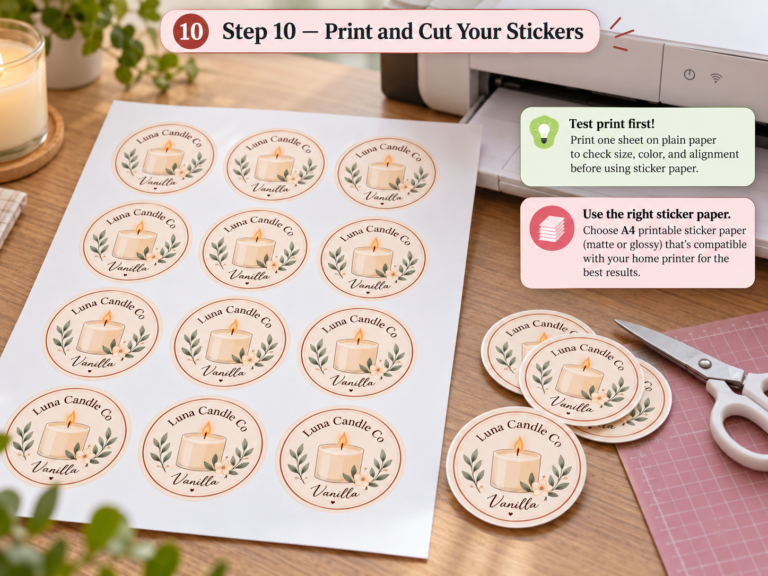
These tips matter especially for creators who print inserts, thank-you cards, or labels at home.
- Print using draft mode when possible
- Use EcoTank-style printers
- Use recycled matte paper
- Export inserts as PDF/X-1a to reduce ink usage
- Avoid full-color, full-bleed backgrounds
Real Example — What Creators Are Using in the U.S.
These are the most commonly used sustainable materials by Etsy sellers in 2024–2025 (based on public shop descriptions):
- Kraft mailers
- Compostable mailers
- Recycled tissue
- Minimalist thank-you cards
- Kraft sticker labels
- Water-activated tape
- Recyclable corrugated boxes
These choices give a clean brand aesthetic while keeping costs low.
My Personal Experience (Bushra Real Insight)
When I started designing packaging templates and printed materials from home, I experimented with several options. What worked best for me:
- Kraft cardstock for product cards
- Recycled matte paper for thank-you notes
- Simple black-ink layouts to cut 70% of ink usage
- Minimalist unboxing designs that still feel premium
- EcoTank printer (Epson) to avoid cartridge waste
This combination gave me a clean, sustainable aesthetic without increasing my expenses. Customers loved how “natural” and “warm” the packaging looked.
Discover the best compostable packaging materials for small businesses. Learn the benefits, compare top eco-friendly products, and choose sustainable packaging in 2026.
How to Transition to Sustainable Packaging (Step-by-Step)
Step 1 — Audit Your Current Materials
Identify what’s causing waste:
- Too much tape
- Plastic poly bags
- Full-color inserts
- Excess filler
Step 2 — Replace One Item at a Time
Start small:
Switch from plastic tape → paper tape.
From glossy inserts → kraft cardstock.
From bubble mailers → rigid mailers.
Step 3 — Standardize Your “Packaging System”
Create a fixed set of packaging items you always use.
This reduces waste, confusion, and cost.
Step 4 — Add Light Branding
Simple, clean designs feel premium without heavy printing.
Step 5 — Communicate Sustainability to Customers
Add a line such as:
“This package is fully recyclable. Please reuse or recycle after opening.”
Sustainable packaging in 2026 means using recyclable, compostable, and low-waste materials to reduce environmental impact and elevate brand value. Small creators can adopt kraft paper, compostable mailers, water-activated tape, and low-ink designs to lower costs and improve customer experience.
FAQ
1. What is the most affordable sustainable packaging material?
Kraft paper. It’s recyclable, cheap, and works for most products.
2. Are compostable mailers worth it?
Yes—especially for lightweight products. They reduce plastic waste and improve brand trust.
3. Does sustainable packaging cost more?
Initially yes, but long-term costs drop because you use fewer materials.
4. Can I print labels sustainably at home?
Yes. Use recycled paper + low-ink layouts + Eco Tank printing.
5. Is sustainable packaging required on platforms like Etsy?
Not required, but Etsy rewards eco-friendly shops in search visibility.
For those who wish to delve deeper, these are reliable references that explain the principles of sustainable packaging and its practical applications:
Sustainable Packaging Solutions for 2025 and Beyond
Design for Recycling: Towards Sustainability