
If you run a home bakery, packaging is not optional — it’s part of the product.
This guide shows exactly how to package baked goods at home using simple, food-safe, and scalable methods without relying on wholesale suppliers.
What Is Bakery Packaging?
How to Package Baked Goods at Home: Tips and Tricks
Bakery packaging is the system of protecting, storing, and presenting baked goods using food-safe materials and structural containers.
Good packaging = protection + cleanliness + brand perception.
The 3-Layer Packaging System (Must Follow)
1. Food Contact Layer
- Greaseproof paper
- Wax paper
- Food-safe wrap
Purpose: Prevent oil stains and contamination.
2. Structure Layer
- Kraft boxes
- Paper trays
- Window boxes
Purpose: Protect shape and prevent damage.
3. Brand Layer
- Stickers
- Labels
- Thank you cards
Purpose: Build identity and trust.
Packaging by Product Type (Real Measurements)
Cookies
| Type | Recommended Packaging |
|---|---|
| Single | Wrapped in greaseproof paper |
| 2–4 cookies | 10 × 10 × 5 cm kraft box |
Brownies
| Type | Recommended Packaging |
|---|---|
| Single | Wrapped + small box (6 × 6 × 4 cm) |
| 4 pieces | 12 × 12 × 5 cm box |
Cake Slices
| Slice | 12 × 8 × 8 cm box + base board |
Best Materials for DIY Bakery Packaging
Kraft Boxes
- Durable
- Eco-friendly
- Cost-effective
Greaseproof Paper
- Essential for oily products
- Maintains hygiene
Tissue Paper
- Enhances presentation
- Low cost, high perceived value
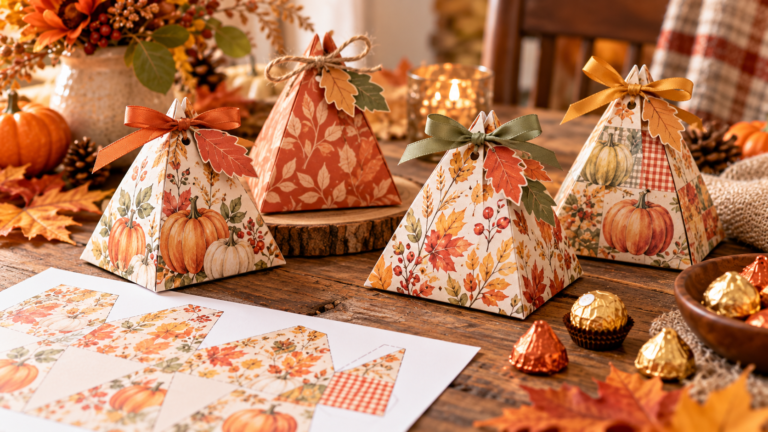
6 Home Bakery Packaging Ideas (Simple & Aesthetic for Small Businesses)
DIY vs Wholesale Packaging (Clear Comparison)
| Factor | DIY Packaging | Wholesale Packaging |
|---|---|---|
| Cost | Low upfront | High upfront |
| Flexibility | High | Low |
| Storage | Minimal | Required |
| Best for | Beginners | Scaling businesses |
Statement:
Small bakery businesses should start with DIY packaging and transition to wholesale only after consistent sales volume.
Real Experience from Home Testing (What Actually Happens)
What I tested at home
When I first started, I tried to avoid buying boxes to save money.
So I used:
- 180 gsm kraft paper
- 200 gsm paper
- DIY folded boxes (no glue, no structure support)
At first, everything looked fine:
- Clean presentation
- Good shape
- Product placed neatly
But the real problems didn’t show up immediately.
1. Structural Failure (After a Short Time)
After about 1–2 hours:
- The box started to soften
- Edges lost their sharp shape
- The structure became unstable
- Cookies shifted inside
Why this happened:
Paper under ~300 gsm cannot handle:
- product weight
- slight moisture from baked goods
2. Grease Leakage (The Real Issue No One Talks About)
I made a critical mistake:
I placed cookies directly inside the paper without a barrier.
After some time:
- Oil stains appeared
- The paper became semi-transparent
- The packaging looked cheap and unhygienic
Important:
This happens even if the product is not “very oily.”
Heat + moisture is enough.
3. Customer Perception (This is What Matters Most)
When a customer holds the package:
- Soft box → feels low quality
- Oil stains → raises hygiene concerns
This instantly reduces trust in your brand.
What Actually Worked (Real Fixes)
✅ The solution:
- Rigid kraft boxes (350–400 gsm)
- Strong structure
- Holds shape during handling and transport
- Greaseproof paper (inner layer)
- Completely prevents oil stains
- Keeps packaging clean
- Tight sizing (no empty space)
- Prevents movement
- Keeps product stable
Direct Insight
Thin paper packaging does not fail immediately — it fails after exposure to moisture and weight, making it unreliable for real bakery use.
What to Do Next
The problem is not how packaging looks at first.
The real test is:
- How it performs after an hour
- How it arrives to the customer
- How it feels in hand
That’s the difference between a hobby and a real business.
Any packaging under 300 gsm is likely to fail in real bakery conditions. Always use a grease barrier and a rigid structure for professional results.
Tools & Supplies Used for Home Bakery Packaging
If you are ready to compare specific boxes, greaseproof paper, labels, cake boards, and fillers, see our home bakery packaging supplies guide.
- Kraft folding boxes
- Food-safe greaseproof sheets
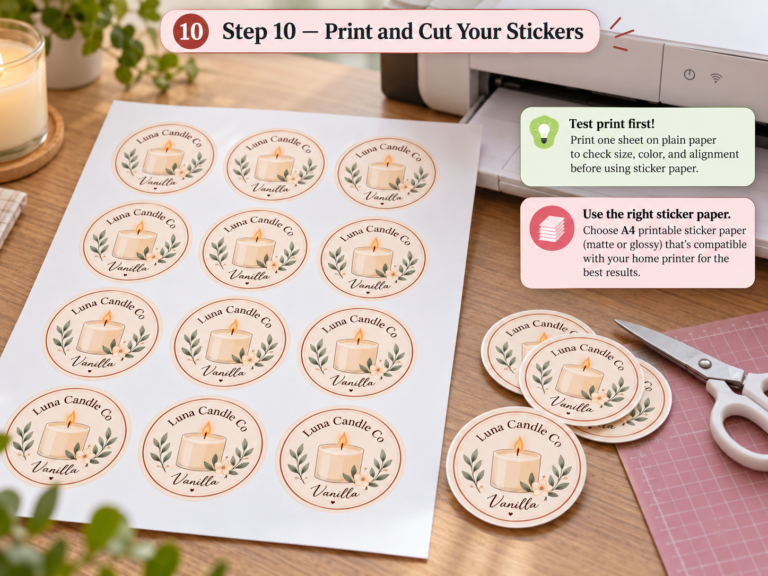
- Custom stickers (printed via Vistaprint)
Common Mistakes to Avoid
- Using non food-safe materials
- Oversized boxes → product movement
- Skipping internal wrap
- Overcomplicating packaging
Practical Tips (Actionable)
- Start with 2 box sizes only
- Use one consistent design style
- Always test packaging before selling
Home bakery packaging should include a food-safe wrap, a protective box, and a simple branding layer. Start small, stay consistent, and scale gradually.
Conclusion
You don’t need a supplier to start.
You need a system that works.
Packaging becomes your silent salesperson.
Start with simple, food-safe DIY packaging. Focus on protection and consistency before investing in wholesale solutions.
FAQ
1. Do I need food-safe packaging?
Yes. Always use food-safe materials for direct contact.
2. Can I package baked goods without boxes?
Yes, for small items using wraps and bags.
3. What is the best box for cookies?
A 10 × 10 × 5 cm kraft box works for 2–4 cookies.
4. When should I switch to wholesale packaging?
When you have consistent orders and need bulk efficiency.
5. Is eco-friendly packaging important?
Yes. It improves brand perception and aligns with U.S. market trends.
Sources
Want ready-to-use packaging templates?
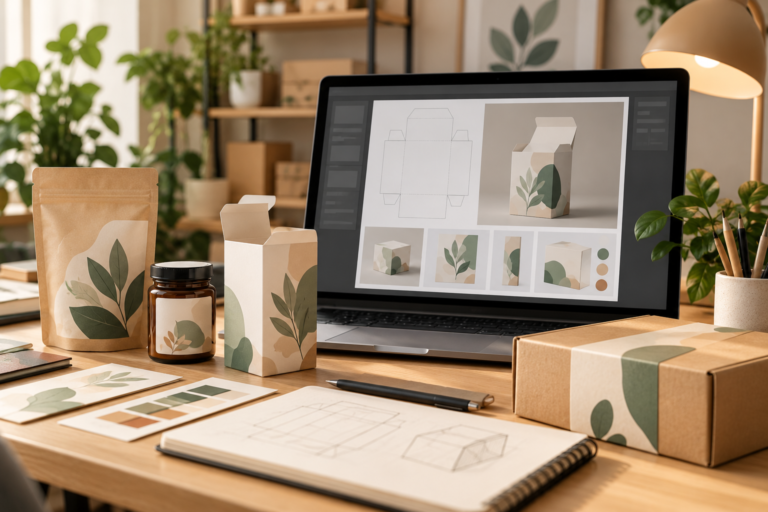
Explore professional dieline templates on Busho Designer and start packaging like a real brand.
Looking for recommended packaging tools, printers, supplies, and software? Visit our Small Business Packaging Tools page.