
If you’re running a home bakery, your packaging is not just protection—it’s branding, perception, and customer experience in one layer. The right packaging can instantly make your product feel premium, even if it’s made in your kitchen.
This guide breaks down practical, aesthetic, and low-cost home bakery packaging ideas you can actually execute at home—no factory, no complex setup.
What Is Home Bakery Packaging?
Home bakery packaging refers to simple, cost-effective packaging solutions used by small or home-based bakers to protect, present, and sell baked goods professionally.
Direct insight: Packaging is the first physical interaction your customer has with your product.
Packaging Print Success: The Ultimate Guide to Design, Dielines, and QA
Why Packaging Matters for Home Bakeries
- Builds brand perception instantly
- Protects freshness and structure
- Helps with food safety compliance
- Increases perceived value (you can charge more)
Home Bakery Packaging Ideas: Creative Approaches for Success
Clear statement: Cheap packaging lowers product value—even if the product is excellent.
How to Package Baked Goods at Home (Complete Guide for Small Businesses 2026)
1. Kraft Boxes (Core Packaging Structure)
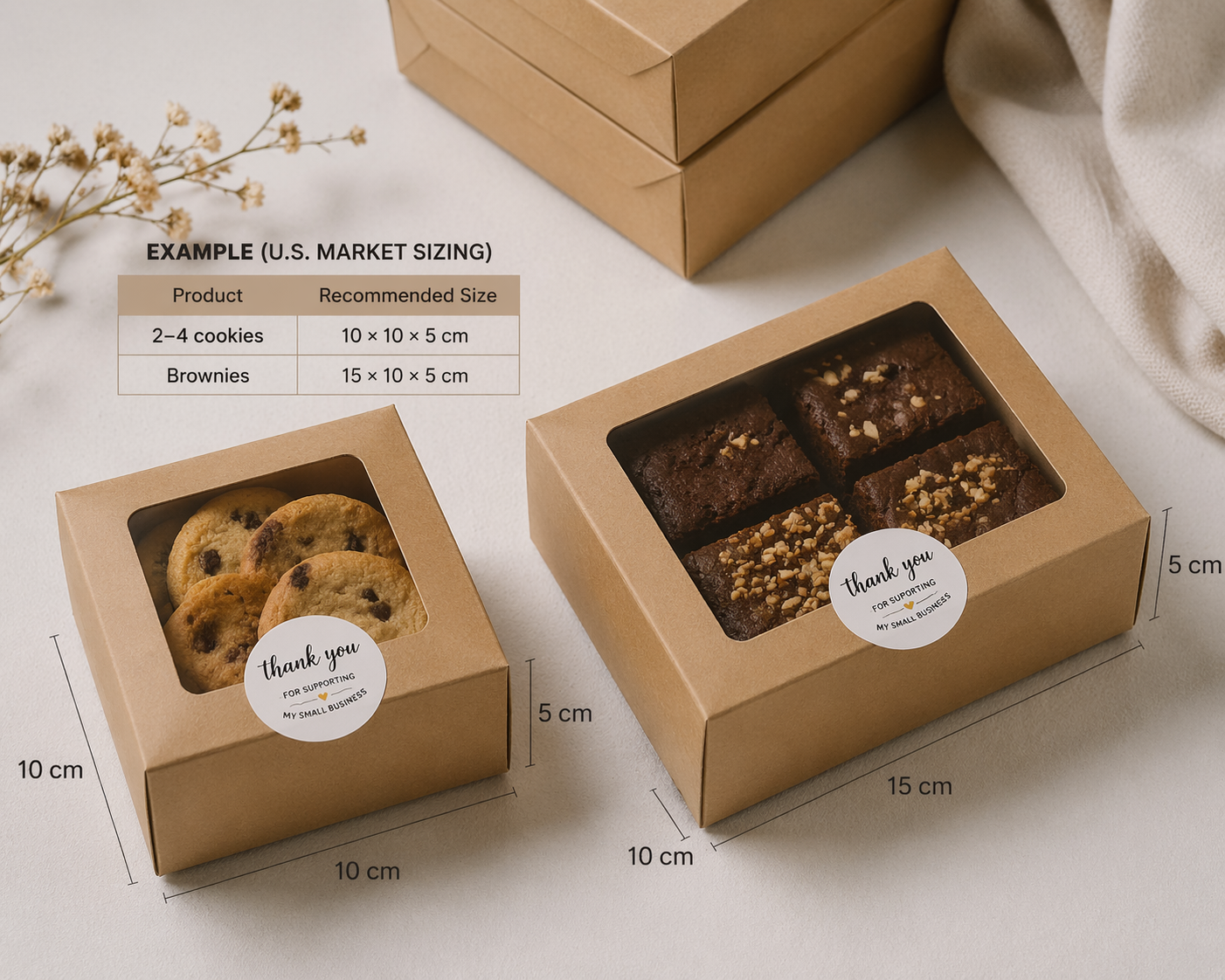
This is your main structure for most baked goods.
Best for:
- Cookies (2–6 pieces)
- Brownies
- Mini cakes
Why it works:
- Strong and stable
- Eco-friendly look (aligns with U.S. market trends)
- Easy to stack and ship
Example (U.S. market sizing):
| Product | Recommended Size |
|---|---|
| 2–4 cookies | 10 × 10 × 5 cm |
| Brownies | 15 × 10 × 5 cm |
2. Greaseproof Paper (Essential Layer)
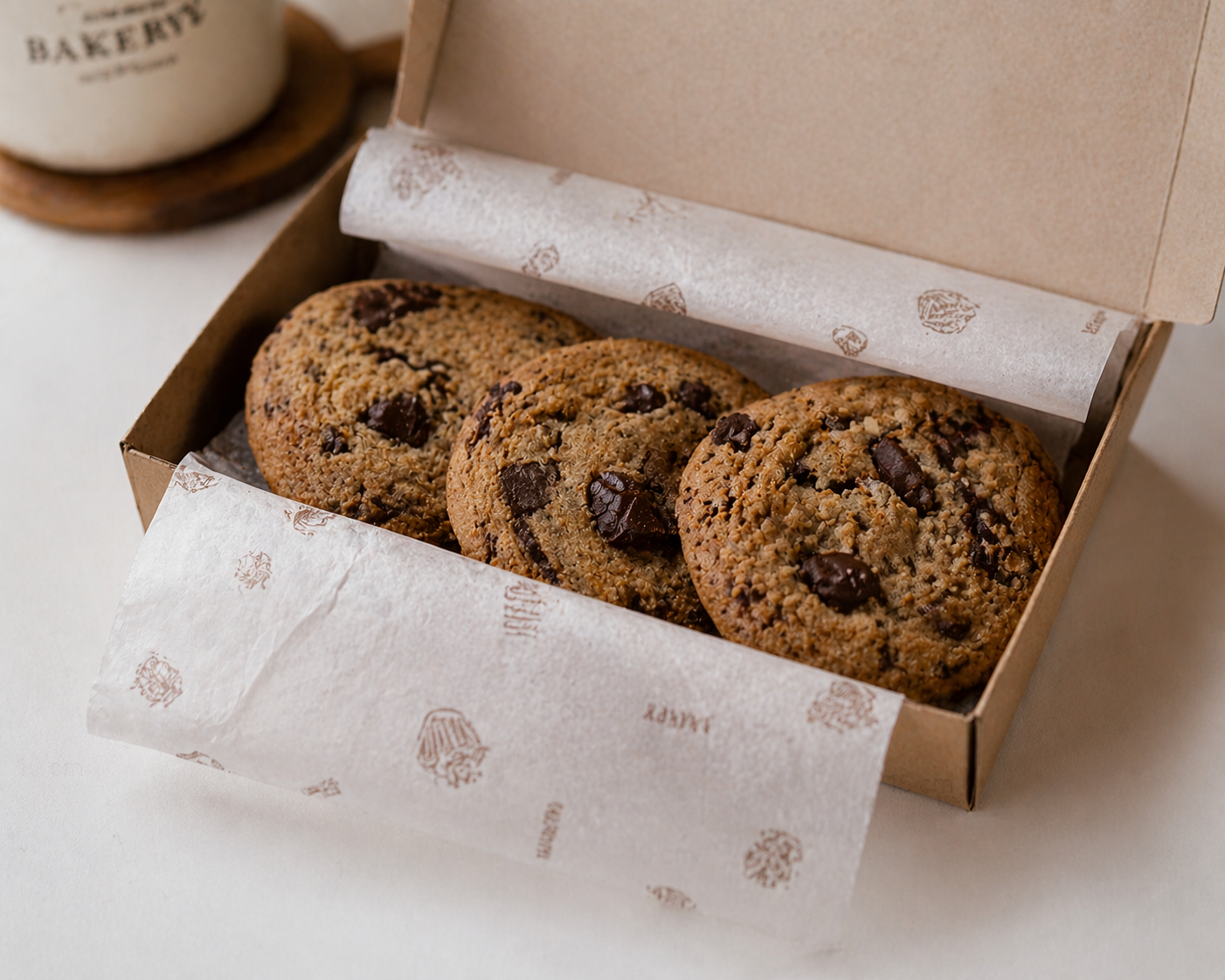
This is not optional. It solves a real problem.
Use it for:
- Cookies
- Brownies
- Pastries
Why it matters:
- Prevents oil leakage
- Keeps packaging clean
- Improves hygiene perception
Direct statement: If your packaging shows oil stains, your brand looks unprofessional.
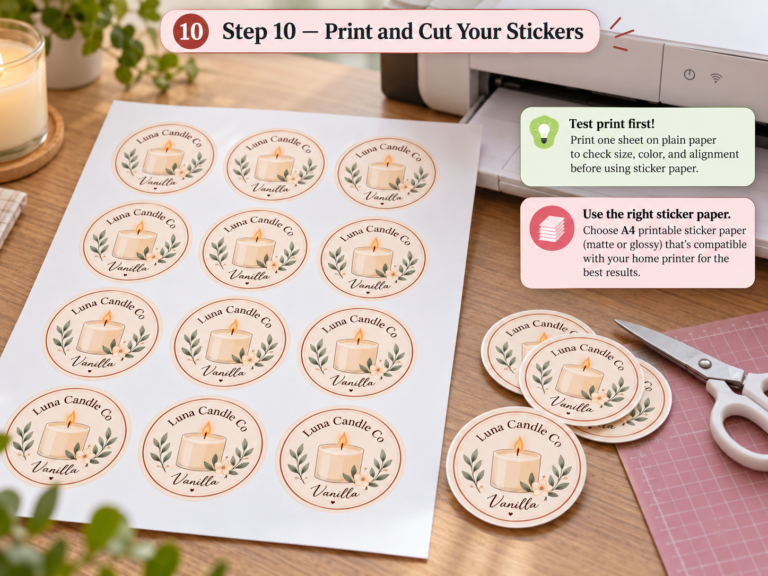
3. Minimal Labels & Stickers (Brand Identity Layer)
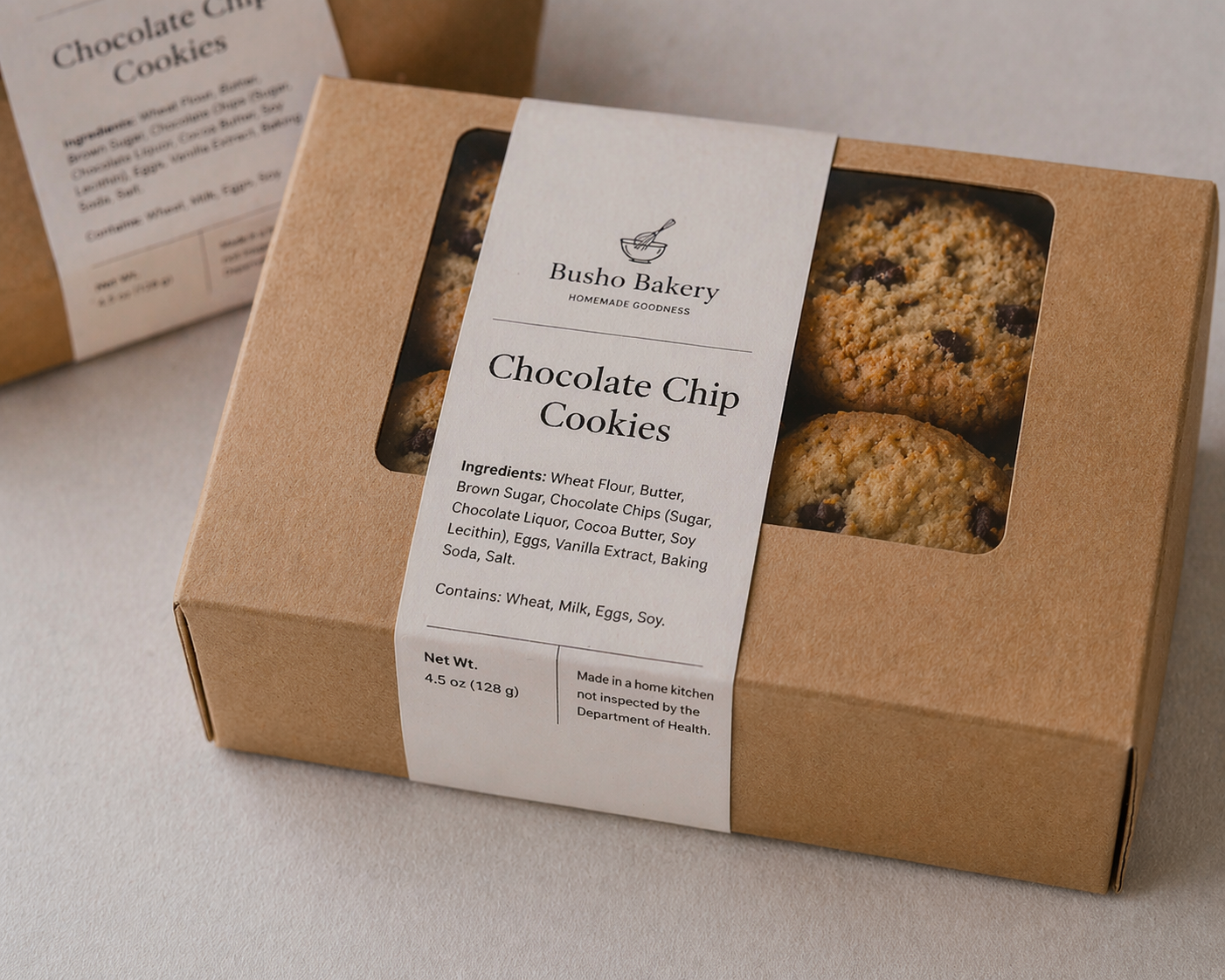
You don’t need complex branding—just clean, clear labels.
What to include (U.S. basics):
- Product name
- Ingredients (FDA-style)
- Net weight
- Allergen warning
Design tips:
- Use kraft or white matte labels
- Keep typography clean
- Avoid clutter
4. Window Boxes (Visual Selling Tool)
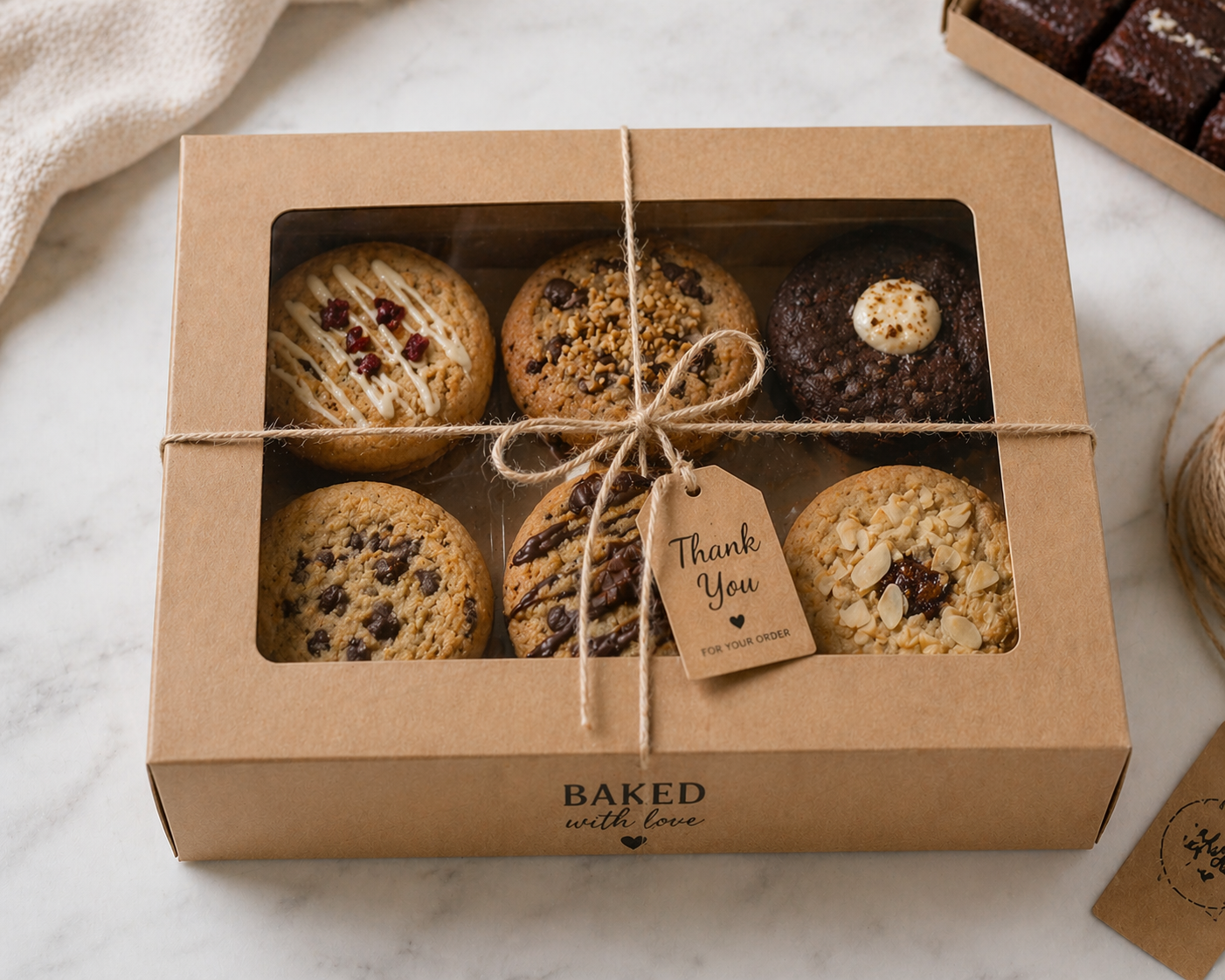
Let the product sell itself.
Best for:
- Decorated cookies
- Brownies
- Gift sets
Why it works:
- Builds trust (customer sees the product)
- Increases impulse purchases
5. Tissue Paper (Perceived Value Booster)
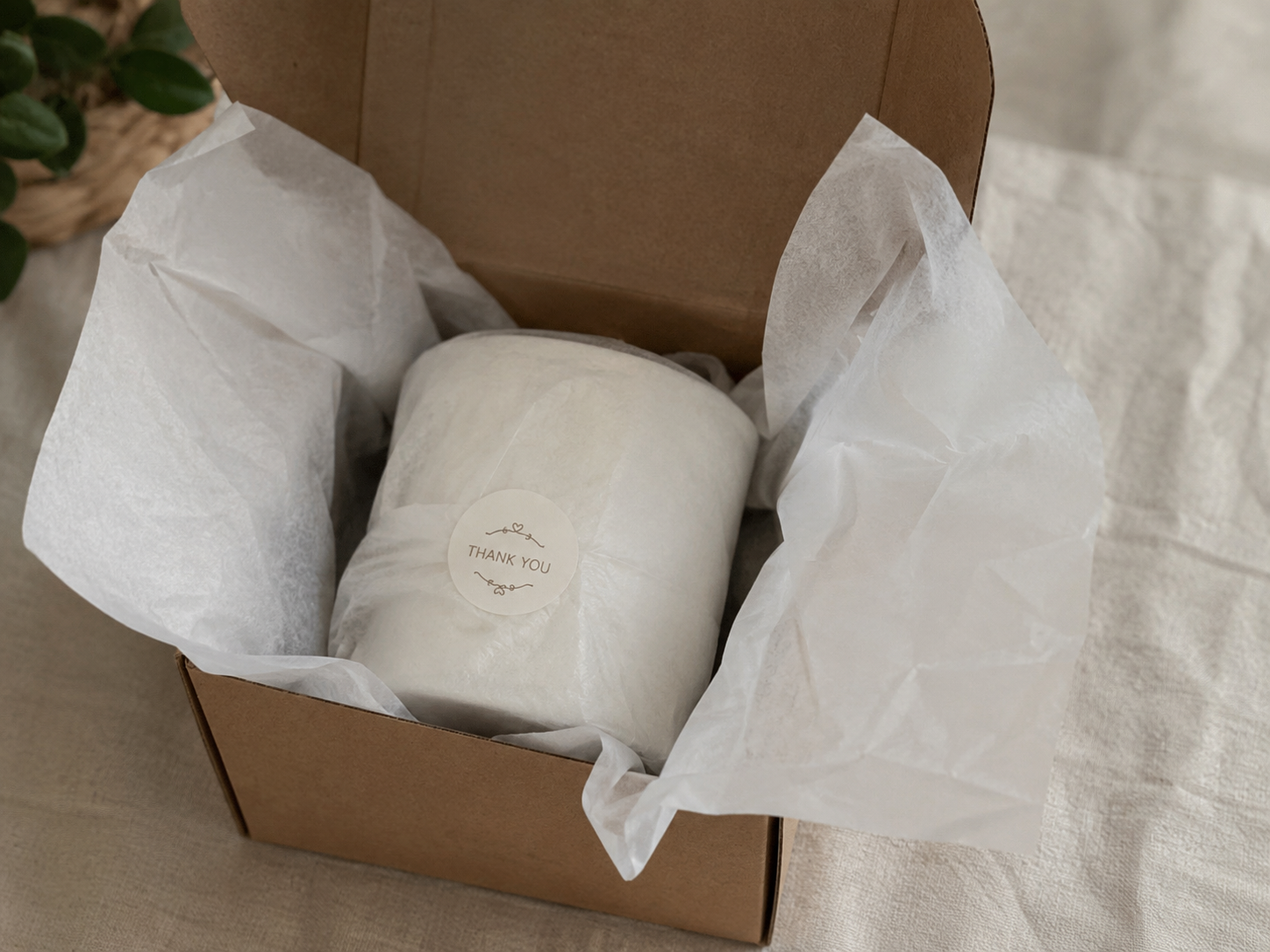
This is cheap but powerful.
Use it for:
- Wrapping inside boxes
- Layering presentation
Effect:
- Makes packaging feel premium
- Adds “unboxing experience”
6. Bakery Bags (Fast & Low-Cost Option)
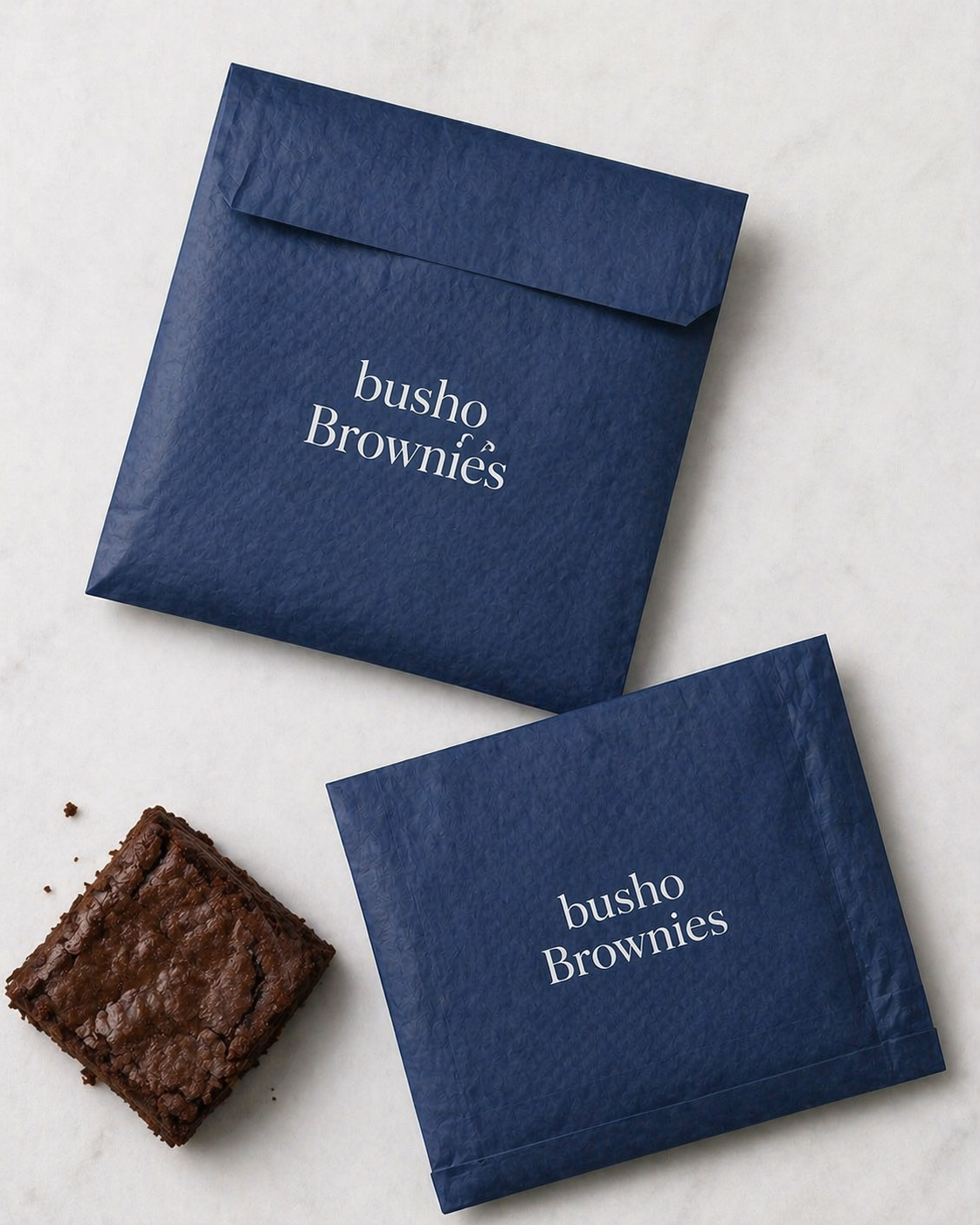
Perfect for quick sales or local delivery.
Types:
- Paper bags
- Glassine bags (eco-friendly alternative to plastic)
Best Home Bakery Packaging Supplies for Small Businesses (2026 Guide)
Practical Comparison Table
| Packaging Type | Cost | Look | Protection | Best Use Case |
|---|---|---|---|---|
| Kraft Box | Medium | Premium | High | Brownies, cookie sets |
| Greaseproof Paper | Low | Clean | Medium | Inner wrapping |
| Labels | Low | Branding | — | Identity + compliance |
| Window Box | Medium | Premium+ | High | Gift packaging |
| Bakery Bags | Low | Simple | Low | Quick sales |
Real Experience (Not Theory)
From actual testing at home:Real Experience (Based on Real Packaging Problems)
Instead of guessing, I tested packaging based on real issues that happen with baked goods:
1. Moisture + Oil Damage
Baked goods naturally release oil and slight moisture over time (especially brownies and cookies).
What actually happened:
- 180–200 gsm paper absorbed oil → softened → lost structure
- Box edges started bending within 1–2 hours
- The bottom weakened when stacking multiple items
2. Heat Retention (Fresh Product Issue)
When products were packed while still slightly warm:
- Steam built up inside the box
- Lightweight paper trapped moisture → caused warping
- Some labels started peeling due to humidity
3. Movement During Transport
Even short delivery times (10–15 minutes):
- Weak packaging shifted easily
- Products moved inside the box → ruined presentation
- Oil spread unevenly, making the packaging look messy
What Actually Worked (From Testing)
- Kraft paperboard (350–400 gsm) maintained structure under oil + weight
- Greaseproof paper acted as a barrier → prevented direct oil contact
- Letting products cool before packaging reduced internal moisture damage
Real Conclusion (Not Generic)
Packaging failure in baked goods is caused by internal conditions—not external design.
That means:
- Heat + oil + movement = the real test
- Any material that fails under these conditions is not suitable for selling
Practical Rule (Apply This)
If you want packaging that actually works:
- Pack the product
- Leave it for 2–4 hours
- Simulate delivery (carry, stack, move)
- Check structure + cleanliness
Rule: If your packaging survives time, heat, and oil without deforming—it’s ready for customers.
- 180–200 gsm paper failed structurally (boxes collapsed)
- Kraft boxes performed better due to rigidity
- Greaseproof paper solved oil leakage instantly
Real conclusion: Material choice directly affects product quality perception—not just protection.
Tools & Materials I Actually Recommend
Based on real use:
- Kraft paperboard (350–400 gsm) → structure
- Greaseproof sheets → hygiene
- Matte sticker paper → clean branding
- Basic cutter (manual or Silhouette Cameo 4) → precision
Eco-Friendly Home Printing: The Ultimate Guide to Sustainable Packaging & Design
Compliance Note (U.S. Market)
If you’re selling in the U.S., follow basic guidelines from:
- FDA → labeling requirements
- EPA → eco claims
Home bakery packaging should be simple, clean, and functional. Kraft boxes provide structure, greaseproof paper ensures hygiene, and minimal labels create brand identity. Small upgrades like tissue paper significantly increase perceived value.
Action Steps (Do This Now)
- Choose 1–2 packaging types only (don’t overcomplicate)
- Buy kraft boxes + greaseproof paper
- Design a simple label (logo + ingredients)
- Test packaging with real products
- Improve based on results—not theory
Simple packaging done right beats complex packaging done poorly. Focus on structure, cleanliness, and clarity—this is what customers actually notice.
FAQ
1. What is the best packaging for home bakery products?
Kraft boxes with greaseproof paper are the most practical and professional option.
2. How do I make my packaging look premium on a budget?
Use tissue paper, clean labels, and consistent colors.
3. Do I need labels for home bakery products?
Yes, especially in the U.S. for ingredients and allergen information.
4. What paper weight is best for bakery boxes?
350–400 gsm for proper structure.
5. Are eco-friendly packaging options important?
Yes. U.S. customers increasingly prefer sustainable packaging.
Eco-Friendly Packaging Psychology: How Sustainability Increases Brand Value in 2026
If you want ready-to-use packaging templates designed for small businesses
,check out the practical dieline kits on Busho Designer—built for real home production, not theory.