
Affiliate disclosure: This post contains affiliate links. If you purchase through them, I may earn a commission at no extra cost to you. As an Amazon Associate I earn from qualifying purchases.
Looking for eco-friendly packaging that customers actually appreciate? Compostable packaging is becoming one of the most practical ways for small businesses to reduce plastic waste while creating a premium brand experience. This guide explains how compostable packaging works, how it compares to biodegradable packaging, and the best compostable packaging products to consider in 2026.
What Is Compostable Packaging?
Compostable packaging is packaging made from natural or plant-based materials that break down into nutrient-rich organic matter under composting conditions without leaving harmful residues behind.
Unlike conventional plastic, certified compostable packaging eventually turns into water, carbon dioxide, and biomass.
Common materials include:
- PLA (Polylactic Acid)
- Corn starch
- Sugarcane bagasse
- Bamboo fiber
- Wheat straw
- Cellulose
- Kraft paper
- Mushroom packaging
When properly composted, these materials help reduce landfill waste and support a circular economy.
Home Compostable vs Industrial Compostable
Not all compostable packaging behaves the same way.
| Home Compostable | Industrial Compostable |
|---|---|
| Breaks down in backyard compost | Requires commercial composting facilities |
| Lower temperatures | High industrial temperatures |
| Usually takes longer | Faster decomposition |
| Better for home gardeners | Better for large-scale waste management |
Always check the product certification before purchasing.
Compostable vs Biodegradable Packaging
Many people think these terms mean the same thing—but they don’t.
| Compostable | Biodegradable |
|---|---|
| Completely breaks into natural compost | May only partially break down |
| Leaves no harmful residue | Can leave microplastics |
| Requires certification | Certification often optional |
| Better environmental standard | Quality varies significantly |
Every compostable material is biodegradable, but not every biodegradable material is compostable.
For businesses wanting genuine sustainable packaging, compostable products are generally the safer choice.
Why Small Businesses Are Switching to Compostable Packaging
Consumers increasingly expect brands to reduce plastic waste.
Switching to compostable packaging can help your business:
Build a Premium Brand
Eco-friendly packaging immediately communicates quality and responsibility.
Customers often associate sustainable packaging with higher-quality products.
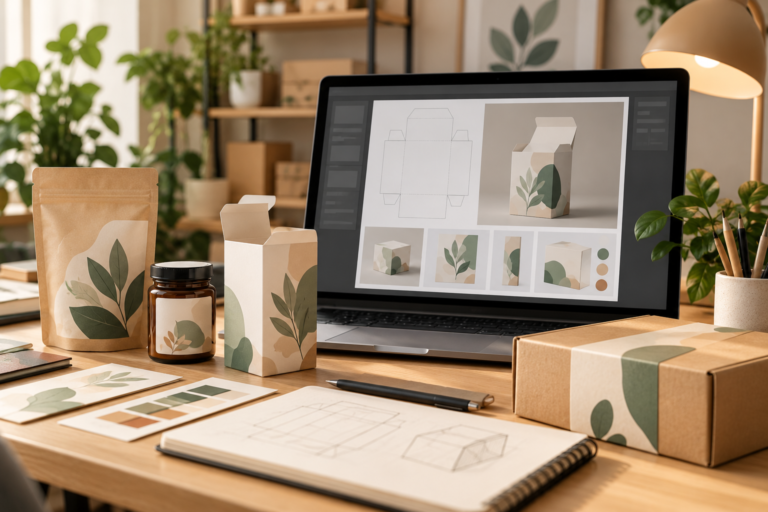
Need to design your own packaging? Check out our guides on Canva for Packaging Design and Adobe Illustrator for Packaging Design.
Attract Eco-Conscious Customers
Many shoppers actively search for brands using sustainable packaging.
This is especially important for:
- Handmade candles
- Soap businesses
- Cosmetics
- Coffee brands
- Bakery products
- Jewelry businesses
Reduce Plastic Waste
Replacing single-use plastics helps reduce environmental impact while supporting sustainability initiatives.
Create a Better Unboxing Experience
Natural kraft materials, compostable tissue paper, and biodegradable fillers create an elegant presentation customers love sharing on social media.
Future-Proof Your Business
Many countries continue introducing regulations aimed at reducing plastic waste.
Using compostable packaging helps businesses prepare for future sustainability requirements.
How to Choose the Right Compostable Packaging
Before buying, consider these factors.
Product Weight
Heavy products require stronger materials.
For example:
- Candles
- Glass bottles
- Ceramic products
may require reinforced mailers or sturdy kraft boxes.
Moisture Resistance
Food packaging often needs moisture-resistant materials.
Look for certified compostable coatings rather than conventional plastic laminates.
Certifications
Choose products carrying recognized certifications such as:
- BPI Certified
- TÜV OK Compost
- EN 13432
- ASTM D6400
These certifications verify that the packaging meets compostability standards.
Printing Quality
If branding matters, ensure the packaging supports:
- Custom labels
- High-quality printing
- Consistent colors
Budget
Compostable packaging typically costs more than conventional plastic.
However, many businesses find the improved customer perception justifies the investment.
You can also compare the Best Packaging Supplies for Small Business before purchasing new packaging materials.
Common Mistakes to Avoid
Buying “biodegradable” without checking certification
Not all biodegradable products fully compost.
Ignoring disposal instructions
Industrial compostable packaging may not break down properly in home compost systems.
Choosing the cheapest option
Very low-cost products often sacrifice strength or certification.
Forgetting your brand identity
Sustainable packaging should still reflect your brand through colors, labels, and presentation.
What businesses benefit the most?
Compostable packaging is especially suitable for:
- Candle businesses
- Soap makers
- Bakeries
- Coffee brands
- Jewelry shops
- Handmade product sellers
- Small eCommerce businesses
Compostable packaging is more than just an eco-friendly trend—it’s becoming an important part of how modern small businesses build trust and reduce environmental impact. By choosing certified compostable mailers, labels, tissue paper, food containers, and protective fillers, you can create a professional unboxing experience while supporting more sustainable practices.
Whether you’re launching a handmade candle brand, running a bakery, or shipping products from an online store, investing in the right compostable packaging helps strengthen your brand and meet the growing expectations of environmentally conscious customers.
How to Tell if Packaging Is Truly Compostable
Not all products marketed as “eco-friendly” or “green” are genuinely compostable. Some use vague marketing claims that can confuse consumers.
Before purchasing compostable packaging, check for these important indicators.
Look for Recognized Certifications
The easiest way to verify compostable packaging is by checking for independent certifications.
Some of the most trusted certifications include:
BPI Certified
The Biodegradable Products Institute (BPI) certification confirms that a product meets recognized compostability standards in North America.
This certification is commonly found on compostable food containers, mailers, bags, and disposable packaging.
TÜV OK Compost
This European certification verifies whether a product is suitable for:
- Home composting
- Industrial composting
Always read the label carefully because some products are certified for industrial composting only.
EN 13432
EN 13432 is one of Europe’s most recognized standards for compostable packaging.
Products meeting this standard must break down into natural materials without leaving harmful residues.
ASTM D6400
This U.S. standard specifies the requirements for plastics designed to be composted in municipal or industrial composting facilities.
Many compostable mailers and food-service products carry ASTM D6400 certification.
What Materials Are Used in Compostable Packaging?
Modern compostable packaging is made from renewable materials rather than petroleum-based plastics.
Here are some of the most common options.
PLA (Polylactic Acid)
PLA is produced from renewable resources such as corn starch or sugarcane.
It is commonly used for:
- Clear food containers
- Compostable cups
- Labels
- Window films in packaging
Although plant-based, PLA usually requires industrial composting facilities for proper decomposition.
Sugarcane Bagasse
Bagasse is a by-product of sugar production.
Instead of being discarded, it is transformed into durable packaging products such as:
- Food trays
- Plates
- Takeout containers
- Lunch boxes
Bagasse is strong, lightweight, and naturally compostable.
Kraft Paper
Kraft paper remains one of the most sustainable packaging materials available.
It’s widely used for:
- Shipping boxes
- Paper mailers
- Shopping bags
- Tissue paper
- Wrapping paper
When uncoated and combined with compostable adhesives, kraft paper can be fully compostable.
Bamboo Fiber
Bamboo grows quickly and requires fewer resources than many traditional materials.
It is commonly used for:
- Disposable food containers
- Cutlery
- Cosmetic packaging
- Protective inserts
Wheat Straw
Agricultural waste such as wheat straw can be transformed into compostable packaging, helping reduce reliance on virgin materials.
Mushroom Packaging
One of the most innovative sustainable materials, mushroom packaging is grown from mycelium and agricultural waste.
It provides excellent cushioning for fragile products and naturally decomposes after disposal.
Is Compostable Packaging Worth the Extra Cost?
Many small business owners hesitate because compostable packaging often costs more than conventional plastic packaging.
However, the long-term value can outweigh the higher initial cost.
Better Customer Perception
Consumers increasingly notice sustainable packaging choices.
Many customers are willing to pay more for brands that reduce environmental impact.
Higher Perceived Product Value
Premium packaging often increases the perceived quality of handmade products.
For businesses selling:
- Candles
- Soap
- Jewelry
- Coffee
- Cosmetics
the packaging becomes part of the overall customer experience.
Stronger Brand Loyalty
Customers who care about sustainability are more likely to return to brands that share their values.
Positive Social Media Sharing
Beautiful eco-friendly packaging is frequently featured in:
- Instagram posts
- Pinterest Pins
- TikTok unboxing videos
This creates valuable organic marketing for your business.
Compostable Packaging Ideas for Different Small Businesses
Different businesses require different packaging solutions.
Candle Business
Recommended packaging:
- Kraft boxes
- Compostable tissue paper
- Compostable labels
- Paper tape
- Honeycomb paper wrap
Soap Business
Recommended:
- Kraft sleeves
- Compostable bags
- Paper labels
- Recycled tissue paper
Bakery
Recommended:
- Bagasse containers
- Compostable food boxes
- Compostable stickers
- Grease-resistant compostable paper
Jewelry Business
Recommended:
- Small kraft boxes
- Compostable mailers
- Paper filler
- FSC-certified tissue paper
Coffee Business
Recommended:
- Compostable coffee bags
- Compostable shipping mailers
- Paper tape
- Compostable labels
If you’re planning to build a more sustainable brand, you may also enjoy our guide to Eco-Friendly Packaging Ideas.
Final Buying Checklist
Before ordering compostable packaging, ask yourself:
✅ Is it certified compostable?
✅ Does it match my product weight?
✅ Is it suitable for food contact (if needed)?
✅ Is it water resistant enough?
✅ Does it fit my branding?
✅ Can I buy it consistently from the same supplier?
Choosing compostable packaging is one of the most effective ways for small businesses to reduce their environmental footprint while creating a memorable customer experience. From compostable mailers and kraft boxes to food containers, tissue paper, and labels, today’s sustainable packaging options offer excellent performance without compromising presentation.
As more consumers actively seek environmentally responsible brands, investing in certified compostable packaging can strengthen your reputation, improve customer loyalty, and support your long-term business growth.
Best Compostable Packaging Products for Small Businesses in 2026
Use this quick comparison to choose the right material for your product. Always check the listing for dimensions, certifications, disposal instructions, and current availability before ordering.
| Packaging type | Best for | Key benefit | Shop |
|---|---|---|---|
| Compostable mailers | Clothing and lightweight orders | Plastic-free outer mailer | Check price |
| Kraft mailing boxes | Candles, soap, gifts | Rigid protection | Check price |
| Honeycomb paper wrap | Fragile products | Paper cushioning | Check price |
| Compostable labels | Product branding | Eco-conscious labeling | Check price |
| Water-activated kraft tape | Shipping boxes | Plastic-free box seal | Check price |
| Compostable food containers | Bakeries and cafés | Food-service option | Check price |
| Compostable coffee bags | Coffee brands | Barrier packaging | Check price |
| Cellophane bags | Cookies, candy, gifts | Clear product display | Check price |
| Paper void fill | Fragile shipments | Fills empty space | Check price |
Whether you’re shipping handmade candles, baked goods, skincare products, or online orders, choosing the right compostable packaging helps reduce waste while creating a premium customer experience. Below are some of the best compostable packaging products to consider for your business.
1. Compostable Mailers
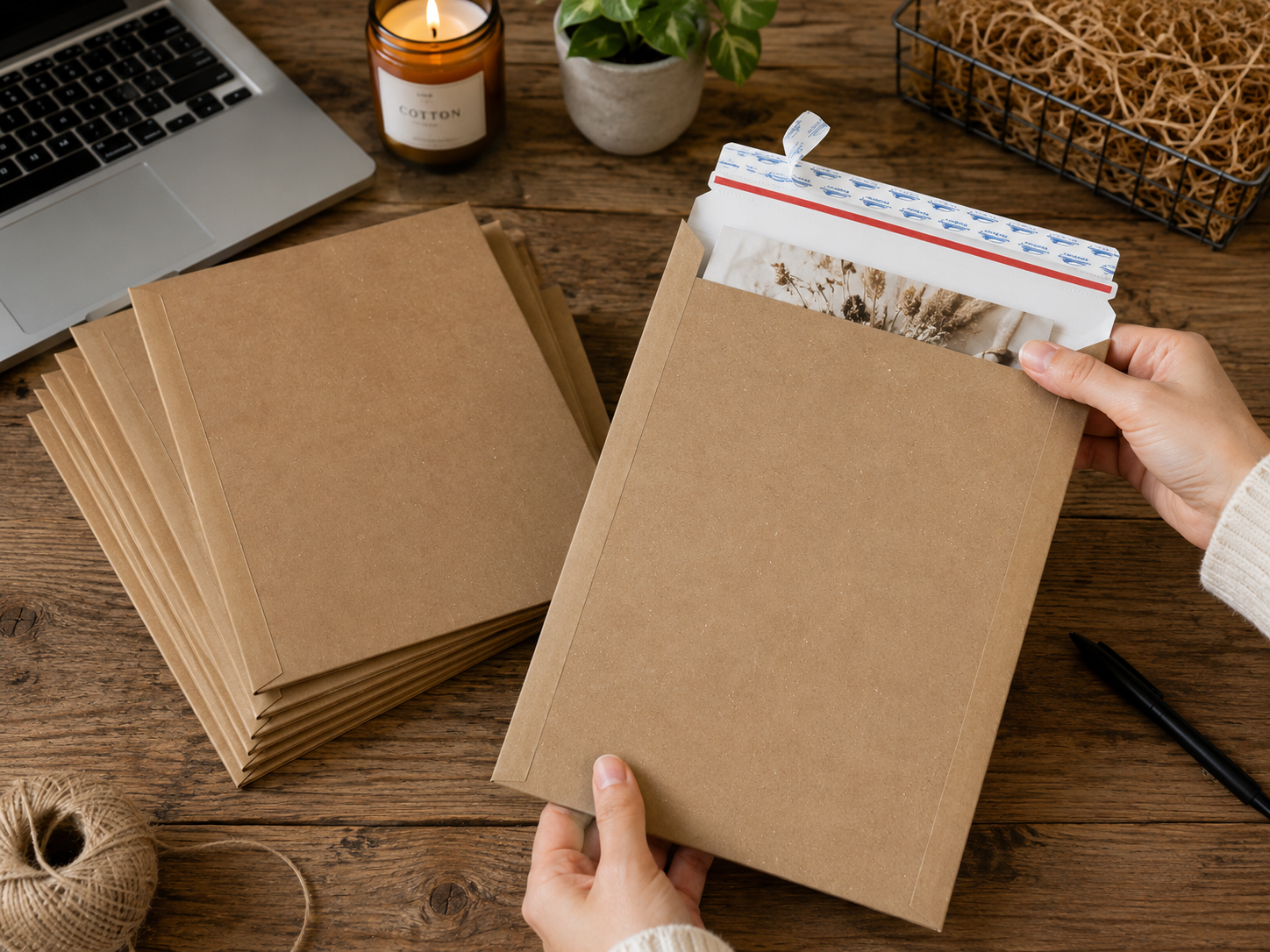
Best for: eCommerce stores, clothing brands, handmade products
Compostable mailers are one of the easiest upgrades for businesses looking to eliminate traditional plastic shipping bags. They offer excellent protection for lightweight products while reducing environmental impact.
Why We Like It
- Certified compostable materials
- Strong self-seal adhesive
- Lightweight to reduce shipping costs
- Water-resistant exterior
- Available in multiple sizes
Pros
✔ Easy to store
✔ Professional appearance
✔ Plastic-free shipping
✔ Lightweight
Cons
✘ Less puncture-resistant than poly mailers
2. Kraft Mailing Boxes
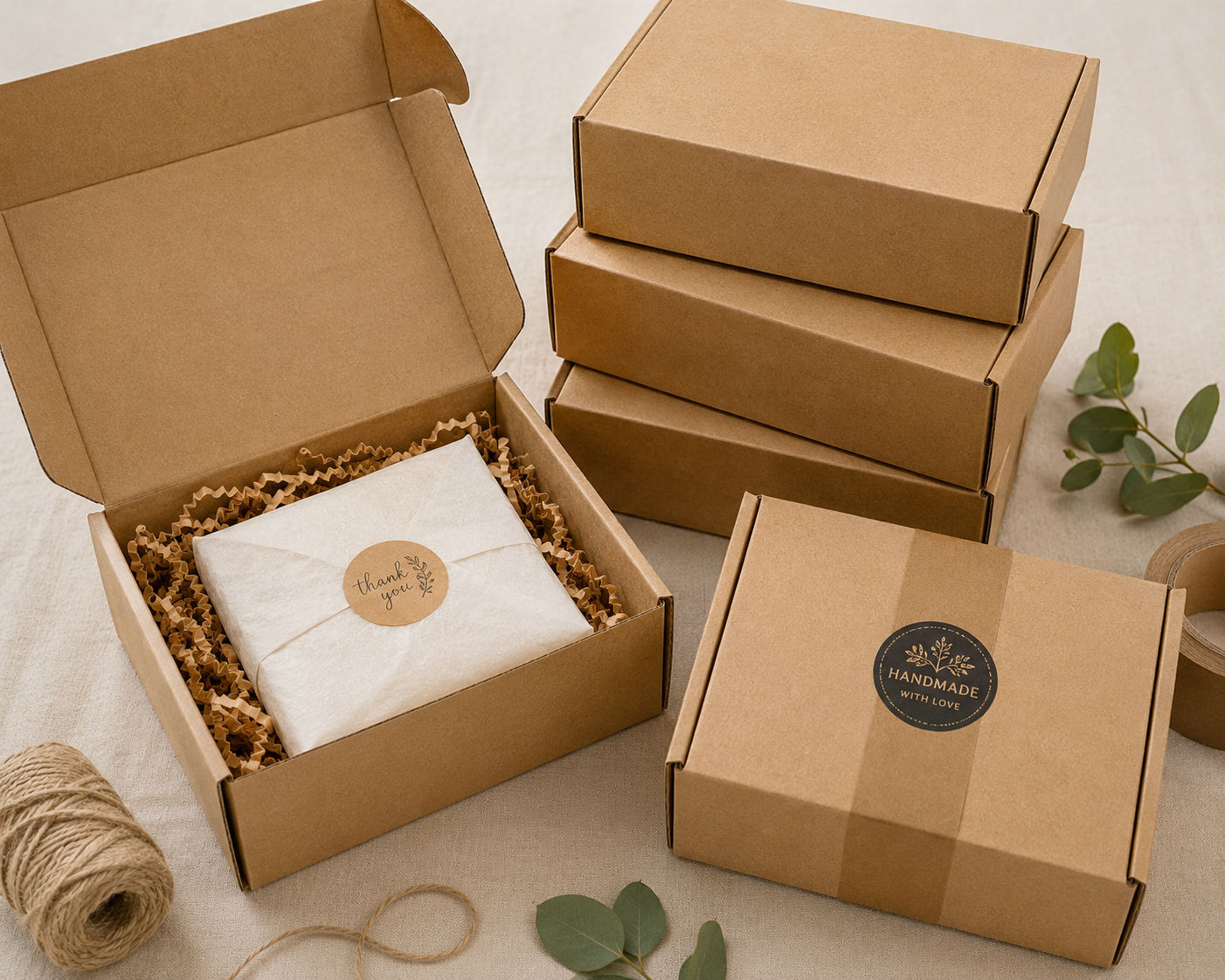
Best for: Candles, soaps, mugs, gift boxes
Kraft mailing boxes remain one of the most versatile sustainable packaging options. They are recyclable, biodegradable, and often compostable when free from plastic coatings.
Why We Like It
- Premium natural appearance
- Excellent product protection
- Easy to customize with branding
- Stackable for storage
- Available in many sizes
Pros
✔ Strong construction
✔ Eco-friendly
✔ Excellent for fragile products
✔ Professional presentation
Cons
✘ Slightly higher shipping weight
3. Compostable Honeycomb Paper Wrap
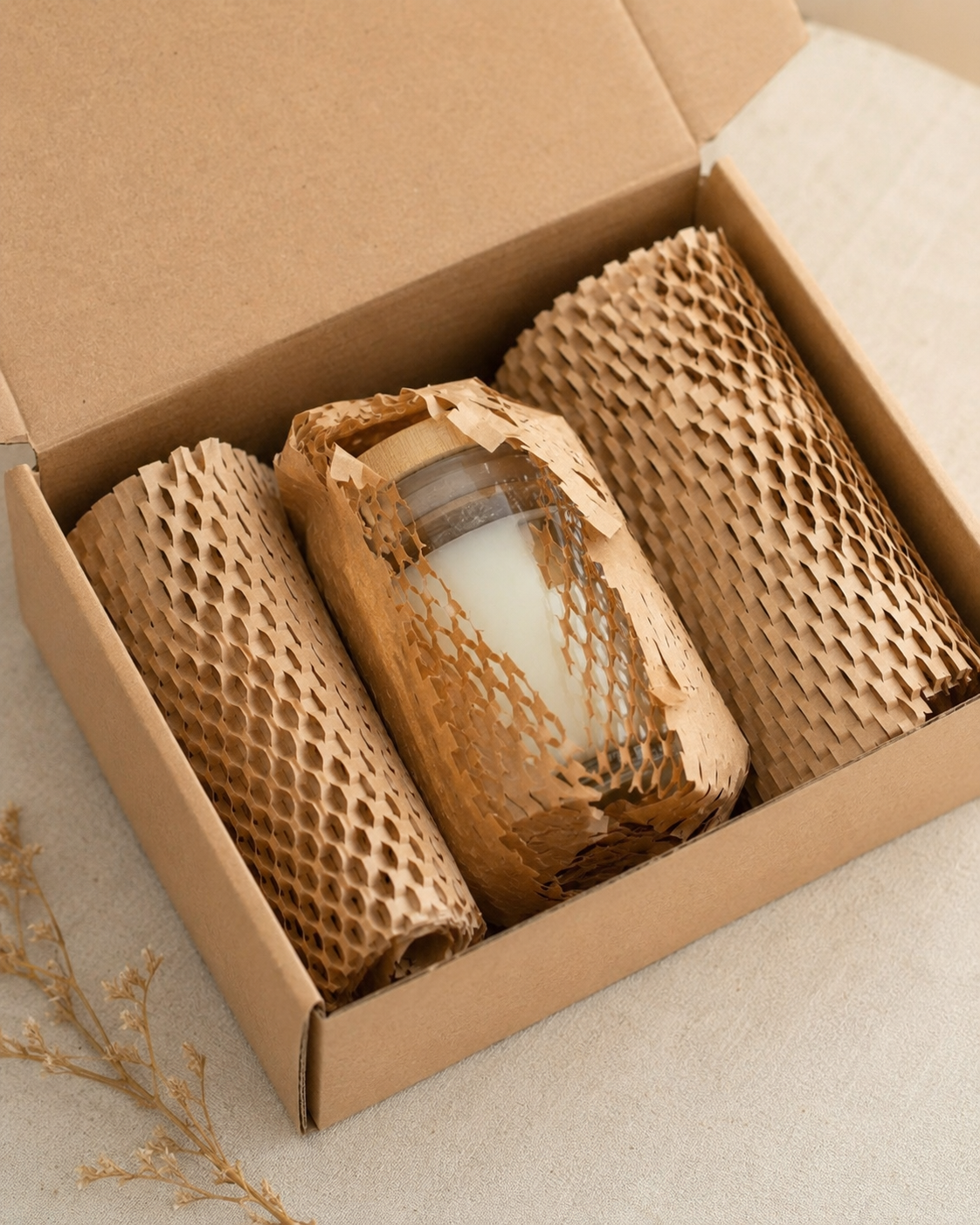
Best for: Fragile products
Honeycomb paper wrap has become one of the best plastic-free alternatives to bubble wrap.
It expands into a protective honeycomb structure that cushions products during shipping.
Why We Like It
- Plastic-free cushioning
- Lightweight
- Attractive presentation
- Easy to recycle or compost
- Great for premium packaging
Pros
✔ Excellent protection
✔ Eco-friendly
✔ Customers love the presentation
Cons
✘ Not ideal for extremely heavy items
4. Compostable Labels
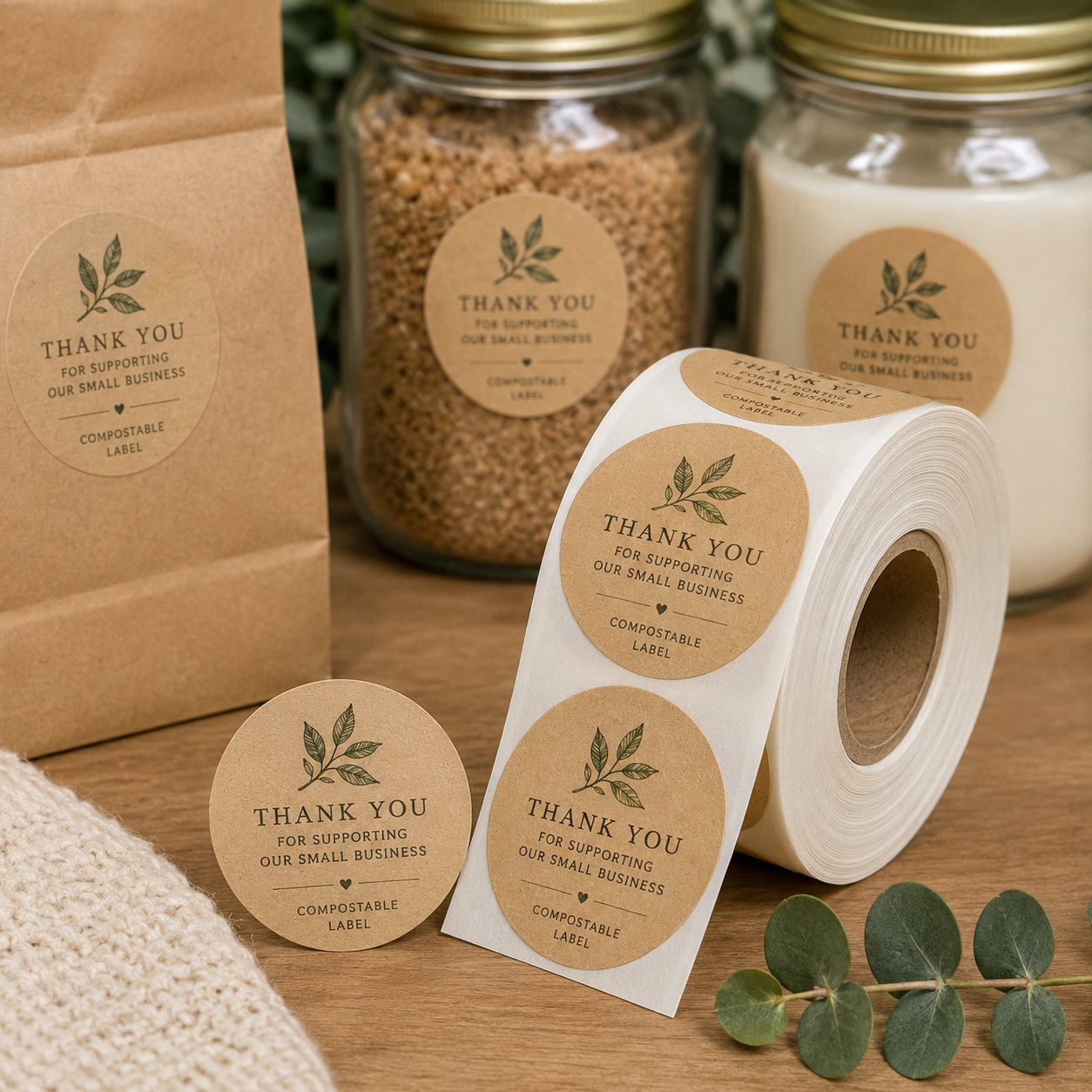
Best for: Branding products
Sustainable labels complete the eco-friendly experience and reinforce your brand values.
Why We Like It
- Strong adhesive
- Compostable materials
- Excellent print quality
- Professional appearance
- Suitable for handmade products
Pros
✔ Easy customization
✔ Premium look
✔ Supports sustainable branding
Cons
✘ Slightly more expensive than standard labels
5. Water-Activated Kraft Tape
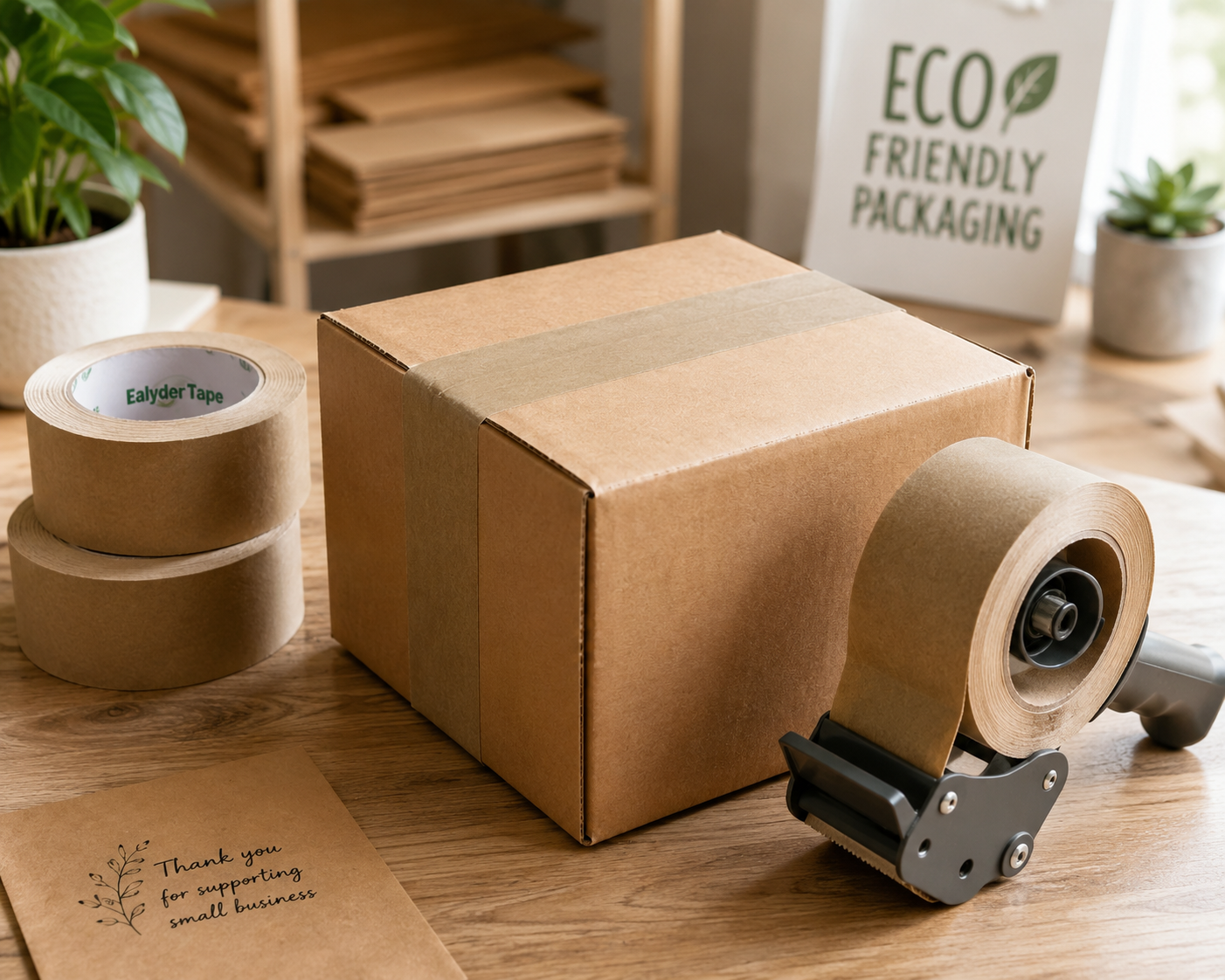
Best for: Shipping boxes
Paper tape creates an extremely strong seal without introducing additional plastic into your packaging.
Why We Like It
- Strong adhesive bond
- Plastic-free
- Tamper-evident
- Professional appearance
- Fully recyclable with cardboard
Pros
✔ Excellent security
✔ Easy recycling
✔ Stronger than many plastic tapes
Cons
✘ Requires a tape dispenser for faster packing
6. Compostable Food Containers
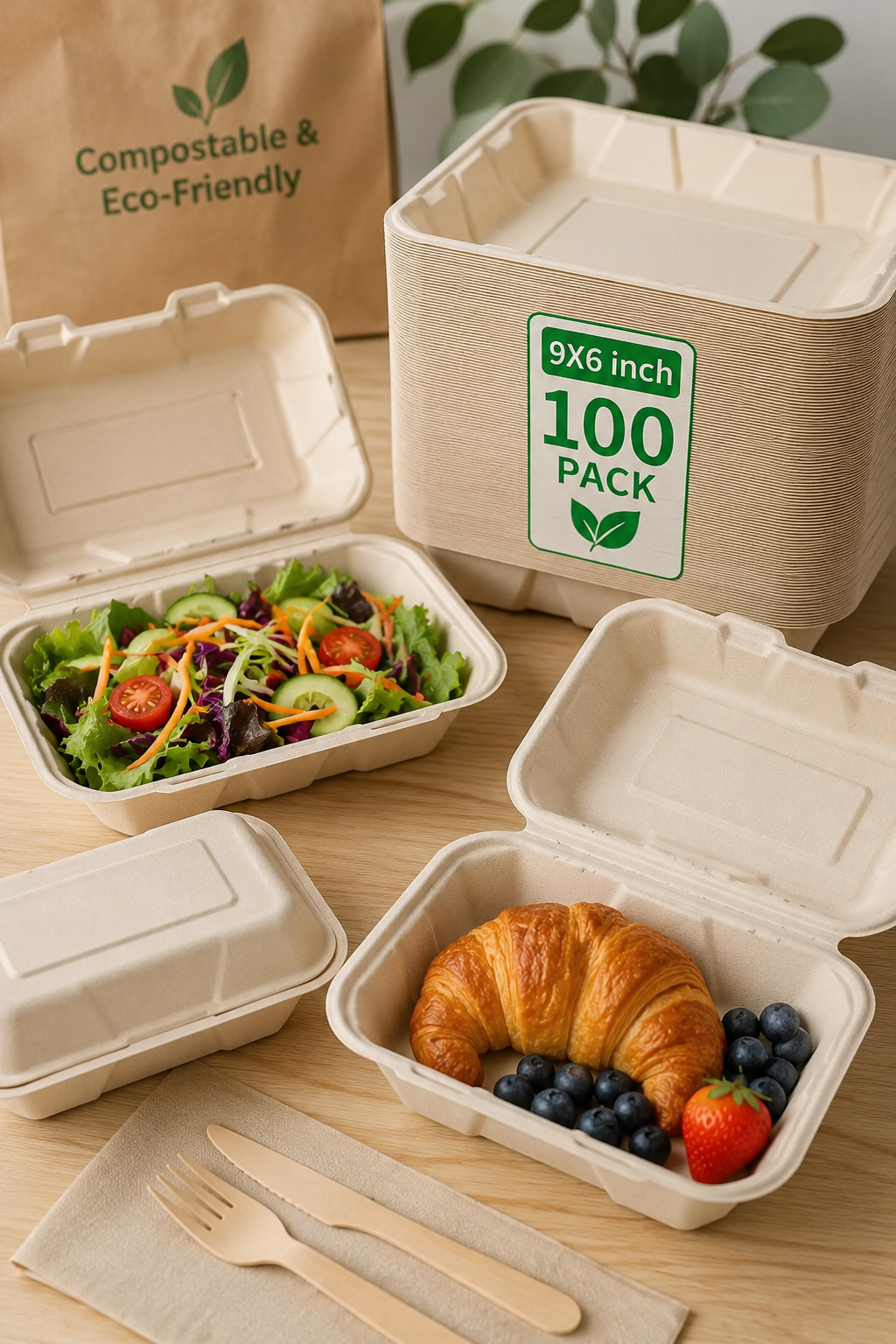
Best for: Bakeries, cafés, meal prep businesses
Modern compostable food containers are commonly made from sugarcane bagasse, making them durable and heat resistant.
Why We Like It
- Food-safe materials
- Microwave friendly (depending on product)
- Oil resistant
- Sturdy construction
- Commercial compostable
Pros
✔ Attractive presentation
✔ Durable
✔ Sustainable
Cons
✘ Higher cost than foam containers
7. Compostable Coffee Bags
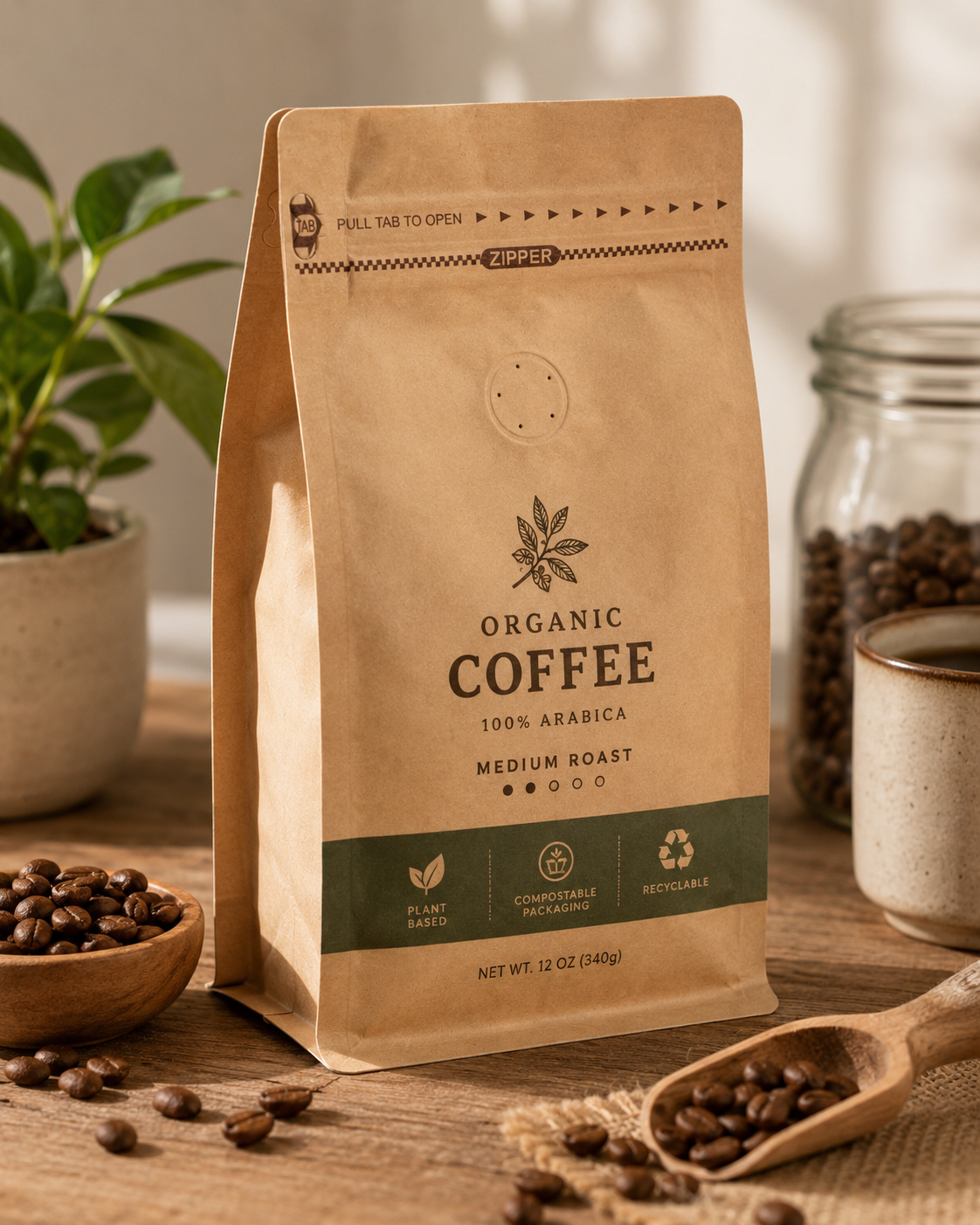
Best for: Coffee brands
Coffee packaging requires excellent moisture and oxygen protection. Modern compostable coffee bags now provide both performance and sustainability.
Why We Like It
- High barrier protection
- Premium appearance
- Supports custom printing
- Helps preserve freshness
- Eco-friendly option
Pros
✔ Excellent shelf appeal
✔ Strong protection
✔ Great branding opportunities
Cons
✘ Premium pricing
8. Compostable Cellophane Bags
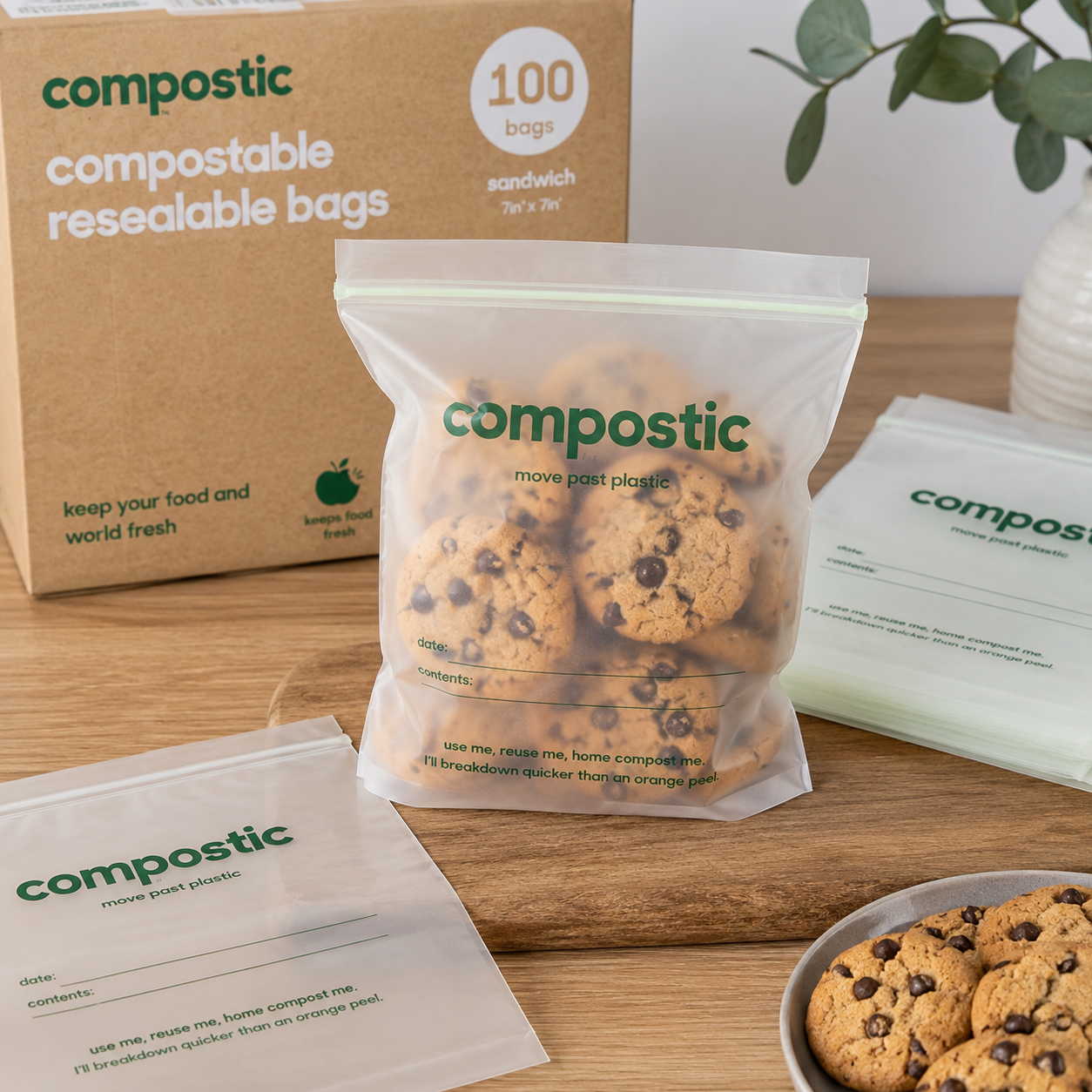
Best for: Cookies, candy, gifts
These clear bags are made from plant-based cellulose rather than petroleum plastics.
Why We Like It
- Crystal-clear appearance
- Food safe
- Compostable
- Great product visibility
- Available in many sizes
Pros
✔ Beautiful presentation
✔ Lightweight
✔ Plastic-free alternative
Cons
✘ Less durable than conventional plastic
9. Paper Void Fill
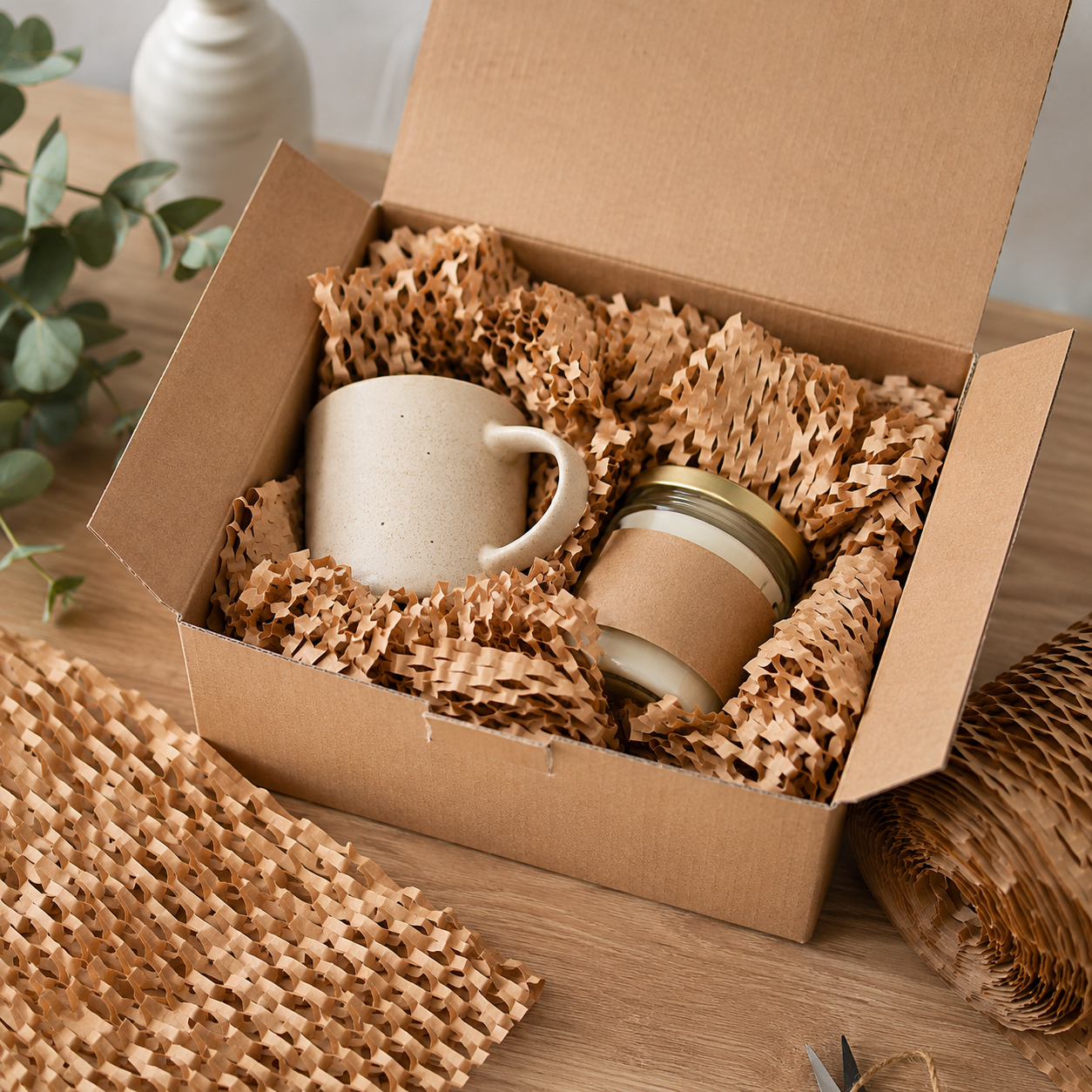
Best for: Protecting fragile shipments
Paper void fill replaces plastic air pillows and loose foam with recyclable and compostable paper cushioning.
Why We Like It
- Excellent shock absorption
- Plastic-free
- Easy to recycle
- Professional appearance
- Works with most products
Pros
✔ Sustainable
✔ Cost effective
✔ Lightweight
Cons
✘ Uses more storage space than inflatable cushions
Our Top Recommendation
If you’re starting to transition toward sustainable packaging, we recommend upgrading in this order:
- Replace plastic mailers with compostable mailers.
- Switch to kraft mailing boxes for heavier products.
- Use honeycomb paper wrap instead of bubble wrap.
- Add compostable labels and water-activated paper tape.
- Finish every order with compostable tissue paper for a premium unboxing experience.
These five changes deliver the biggest environmental impact while creating a more professional and memorable experience for your customers.
Continue planning your sustainable shipping setup:
- Best Shipping Supplies for Small Business — compare mailers, boxes, labels, scales, and tape.
- Sustainable Packaging Suppliers in the U.S. — find platforms and suppliers for larger or specialized orders.
How to Reduce Packaging Waste in Your Small Business
Switching to compostable packaging is a great first step, but it’s even more effective when combined with smart packaging practices. Reducing waste doesn’t just help the environment—it can also lower costs and improve customer satisfaction.
Here are a few practical ways to minimize packaging waste.
Choose the Right Box Size
Oversized boxes require more filler material and increase shipping costs.
Instead, select packaging that closely matches your product dimensions. This reduces empty space, minimizes the need for protective fillers, and creates a more professional presentation.
Eliminate Unnecessary Plastic
Review every component of your packaging process and ask yourself:
- Do I really need this plastic sleeve?
- Can I replace bubble wrap with paper cushioning?
- Is plastic tape necessary?
Small changes can significantly reduce plastic waste over time.
Buy Packaging in Bulk
Ordering compostable packaging in larger quantities often lowers the cost per unit while reducing transportation emissions from frequent deliveries.
Print Only What You Need
Avoid overprinting branded materials that may become outdated.
Digital printing and print-on-demand solutions can help reduce unnecessary waste.
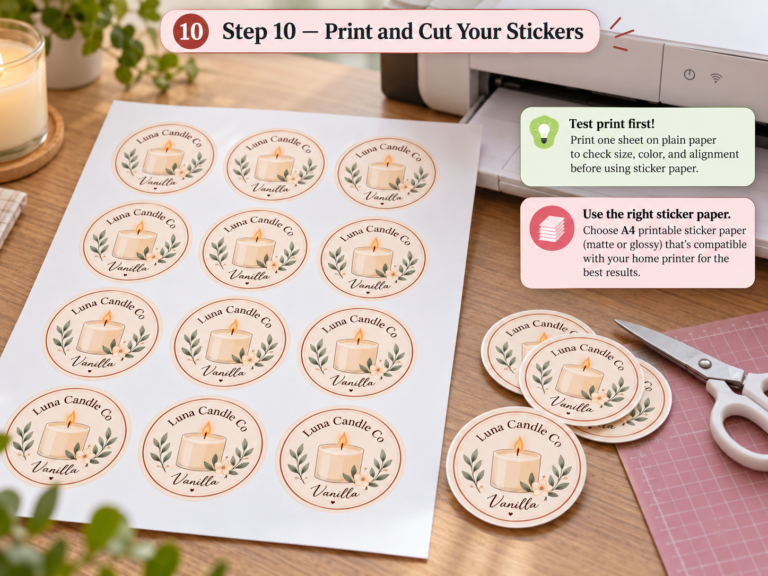
If you’re printing your own labels, our guide to Best Printable Sticker Paper will help you choose the right material.
Encourage Responsible Disposal
Many customers are unfamiliar with compostable packaging.
Including a small printed card with simple disposal instructions helps ensure your packaging is disposed of correctly.
Example:
This packaging is certified compostable. Please dispose of it in a commercial composting facility where available.
Is Compostable Packaging Suitable for Every Business?
While compostable packaging offers many advantages, it isn’t the perfect solution for every product.
For example:
Excellent Choice For
- Handmade candles
- Soap
- Coffee
- Tea
- Cosmetics
- Clothing
- Jewelry
- Gifts
- Bakery products
May Not Be Ideal For
- Long-term outdoor storage
- Products requiring extremely high moisture barriers
- Heavy industrial equipment
- Chemicals
- Hazardous materials
Understanding your product’s requirements helps you choose the most appropriate packaging solution.
The Future of Compostable Packaging
The packaging industry continues to evolve rapidly as businesses seek more sustainable alternatives to traditional plastics.
Several trends are expected to shape the future of compostable packaging.
More Plant-Based Materials
Manufacturers are investing in renewable materials such as:
- Seaweed
- Agricultural waste
- Mushroom mycelium
- Bamboo
- Sugarcane fibers
These innovations reduce dependence on fossil fuels while expanding sustainable packaging options.
Improved Barrier Technology
Historically, compostable materials sometimes struggled with moisture and oxygen resistance.
New technologies are improving their performance, making them suitable for a wider range of food and consumer products.
Better Printing Capabilities
Modern compostable packaging now supports high-quality printing, allowing small businesses to create premium branded packaging without sacrificing sustainability.
Growing Consumer Demand
Surveys consistently show that many consumers prefer environmentally responsible brands.
As awareness increases, businesses using sustainable packaging may gain a competitive advantage.
Frequently Asked Questions
Does compostable packaging decompose in a landfill?
Not necessarily. Most compostable materials require oxygen, moisture, and microbial activity to break down efficiently. Landfills often lack these conditions, which means decomposition can take much longer.
Can compostable packaging replace all plastic packaging?
Not yet. While compostable materials work well for many applications, certain products still require specialized barrier protection or extended shelf-life performance that conventional plastics currently provide.
Is compostable packaging recyclable?
In most cases, compostable packaging should not be placed in standard recycling bins because it is designed for composting rather than recycling. Always follow your local waste management guidelines.
Why is compostable packaging more expensive?
The cost reflects the use of renewable materials, certified manufacturing processes, and lower production volumes compared to traditional plastic packaging. As demand grows, prices are expected to become more competitive.
What is the difference between recyclable and compostable packaging?
Recyclable packaging is processed and turned into new materials, while compostable packaging breaks down into natural organic matter under the right composting conditions. The best choice depends on your product, local waste infrastructure, and sustainability goals.
Buying “biodegradable” without checking certification
Not all biodegradable products fully compost.
Ignoring disposal instructions
Industrial compostable packaging may not break down properly in home compost systems.
Choosing the cheapest option
Very low-cost products often sacrifice strength or certification.
Forgetting your brand identity
Sustainable packaging should still reflect your brand through colors, labels, and presentation.
Is compostable packaging better than plastic?
For many applications, yes. Certified compostable packaging reduces long-term plastic waste and supports more sustainable disposal methods.
Can compostable packaging go into regular recycling?
Generally, no. Compostable packaging should be disposed of according to local composting guidelines rather than mixed with conventional recycling.
Is compostable packaging expensive?
It usually costs more upfront than traditional plastic packaging, but many businesses vie
Final Thoughts
Choosing compostable packaging is about more than replacing plastic—it’s about creating a packaging system that reflects your brand’s commitment to sustainability, quality, and customer experience.
For small businesses, even simple changes like switching to compostable mailers, kraft boxes, paper tape, and compostable labels can make a meaningful difference. These improvements not only reduce environmental impact but also help create memorable unboxing experiences that customers appreciate.
As sustainable packaging continues to evolve, investing in certified compostable solutions today can position your business for long-term success while meeting the growing expectations of environmentally conscious
This article contains affiliate links. If you purchase through these links, we may earn a small commission at no additional cost to you. We only recommend products we believe offer genuine value for small businesses.