
Affiliate disclosure: This post contains affiliate links. If you purchase through them, I may earn a commission at no extra cost to you. As an Amazon Associate I earn from qualifying purchases.
Customers today care more about packaging than ever before. For many small businesses, packaging is no longer just a way to protect products during shipping—it has become part of the customer experience and an important reflection of a brand’s values.
Whether you sell handmade candles, jewelry, baked goods, skincare products, or online retail items, choosing eco-friendly packaging can help you reduce waste, create a stronger brand image, and meet growing customer expectations without dramatically increasing your costs.
The good news is that sustainable packaging is no longer limited to large companies. Affordable recycled boxes, compostable mailers, recyclable paper fillers, and plastic-free alternatives are now widely available for startups and small businesses.
In this complete guide, you’ll learn:
- What eco-friendly packaging really means
- The difference between recyclable, biodegradable, compostable, and sustainable packaging
- The best packaging materials for small businesses
- 15 affordable eco-friendly packaging ideas
- Budget-friendly zero-waste options
- Common mistakes to avoid
- How to choose the right packaging for your products
Let’s get started.
Eco-Friendly Packaging Quick Picks
| Packaging option | Useful for | Shop |
|---|---|---|
| Recycled kraft boxes | Products and gift packaging | View options |
| Compostable mailers | Lightweight apparel and fabric goods | View options |
| Honeycomb paper wrap | Wrapping and cushioning | View options |
| Paper packaging tape | Closing recyclable paper-based parcels | View options |
| Plant-based packing peanuts | Void fill for suitable products | View options |
Before buying: Verify the supplier’s material claims and certifications, check whether local recycling or composting facilities accept the item, and test protection with your actual product before ordering in bulk.
What Is Eco-Friendly Packaging?
Eco-friendly packaging refers to packaging materials designed to reduce environmental impact throughout their lifecycle. Unlike traditional plastic packaging that often ends up in landfills for hundreds of years, eco-friendly alternatives are created using recyclable, renewable, reusable, or compostable materials.
However, many people confuse several important terms.
Eco-Friendly Packaging
Packaging that minimizes harm to the environment by reducing waste, pollution, or resource consumption.
Examples include:
- Recycled cardboard
- Kraft paper
- Paper tape
- Glass containers
- Compostable mailers
Sustainable Packaging
Sustainable packaging considers the entire life cycle of a package—from sourcing raw materials to manufacturing, transportation, customer use, and disposal.
A package can be recyclable without being fully sustainable if it requires excessive energy or resources during production.
Sustainable Packaging for Small Business
Recyclable Packaging
Recyclable packaging can be collected, processed, and turned into new products.
Common recyclable materials include:
- Corrugated cardboard
- Kraft paper
- Glass
- Aluminum
- Certain plastics
Always check your local recycling guidelines because recycling capabilities vary by region.
Compostable Packaging
Packaging should be described as compostable only when the supplier provides a recognized certification and clear processing conditions. Some items require industrial composting and may not break down as intended in a home compost system.
Examples include:
- Plant-based mailers
- Cornstarch packaging
- Compostable shipping bags
- Mushroom packaging
Biodegradable Packaging
Biodegradable materials eventually decompose through natural microorganisms.
Unlike compostable materials, biodegradable products don’t always break down within a specific timeframe or leave nutrient-rich compost.
The better option depends on the material, certification, available disposal infrastructure, shipping needs, and how the customer will actually handle the package.
Why Eco-Friendly Packaging Matters for Small Businesses
Many entrepreneurs assume sustainable packaging is only about helping the environment.
In reality, it can also improve your business in several ways.
| Benefit | Why It Matters |
|---|---|
| Better brand image | Clear, verified packaging choices can support brand credibility. |
| Increased customer trust | Transparent disposal instructions can help customers handle the packaging correctly. |
| Better unboxing experience | Natural materials often create a premium, handcrafted feel. |
| Reduced shipping weight | Right-sizing and material choice can reduce excess shipping weight. |
| Less packaging waste | Minimalist packaging reduces unnecessary materials. |
| Competitive advantage | Verified material choices can support a distinct brand position. |
Is Eco-Friendly Packaging More Expensive?
Not always.
This is one of the biggest misconceptions among small business owners.
While certain premium sustainable materials can cost more, many eco-friendly packaging options are surprisingly affordable.
For example:
- Kraft boxes often cost about the same as standard cardboard boxes.
- Paper tape may replace plastic tape without significantly increasing costs.
- Recycled corrugated boxes are widely available in bulk.
- Honeycomb paper wrap can replace expensive bubble wrap.
- Minimal packaging often reduces both material costs and shipping expenses.
When purchasing in larger quantities, many sustainable packaging materials become comparable in price to traditional alternatives.
For startups, the goal isn’t to become completely plastic-free overnight. Instead, replacing one packaging component at a time is often the most practical and affordable approach.
15 Best Eco-Friendly Packaging Ideas for Small Businesses
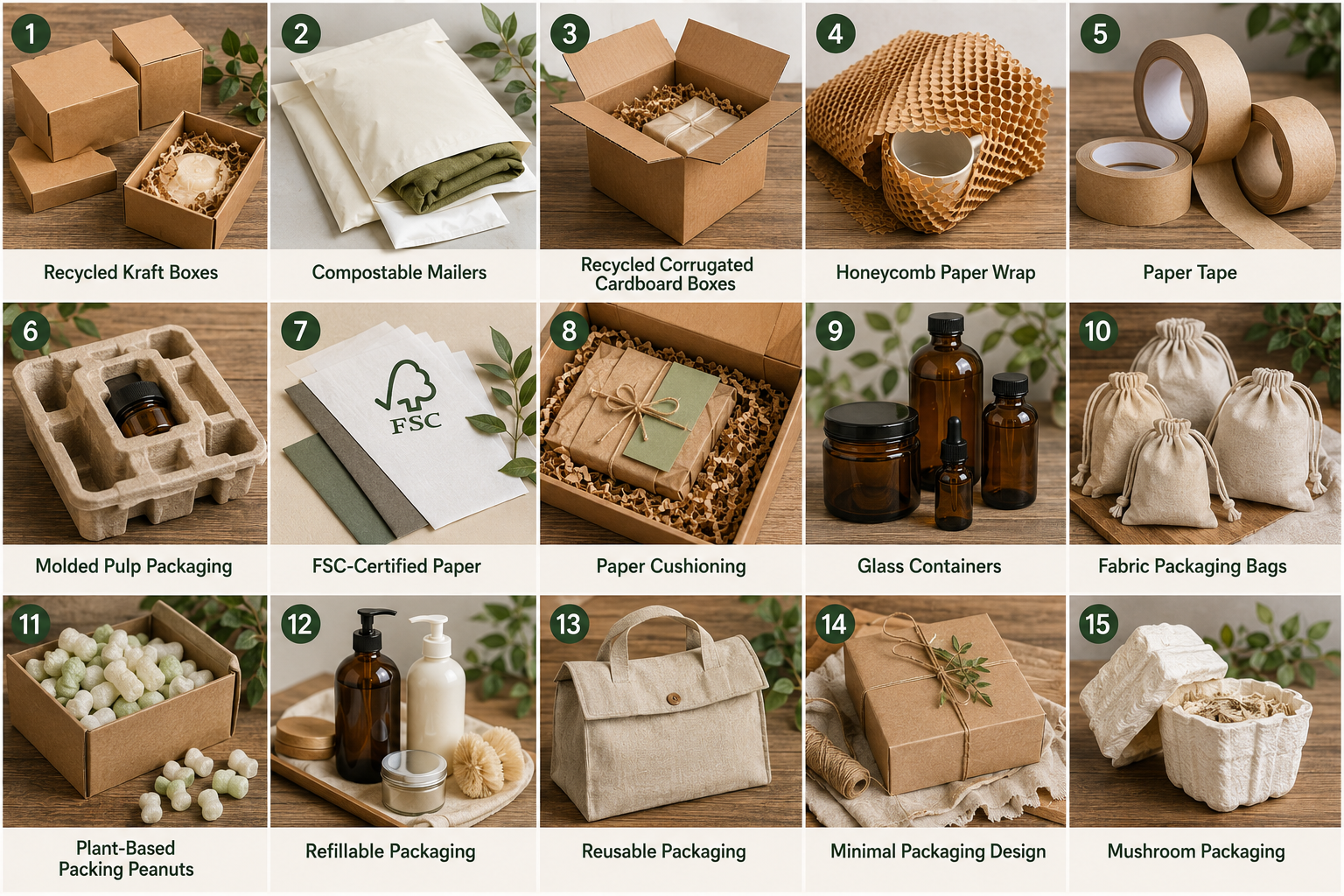
1. Recycled Kraft Boxes
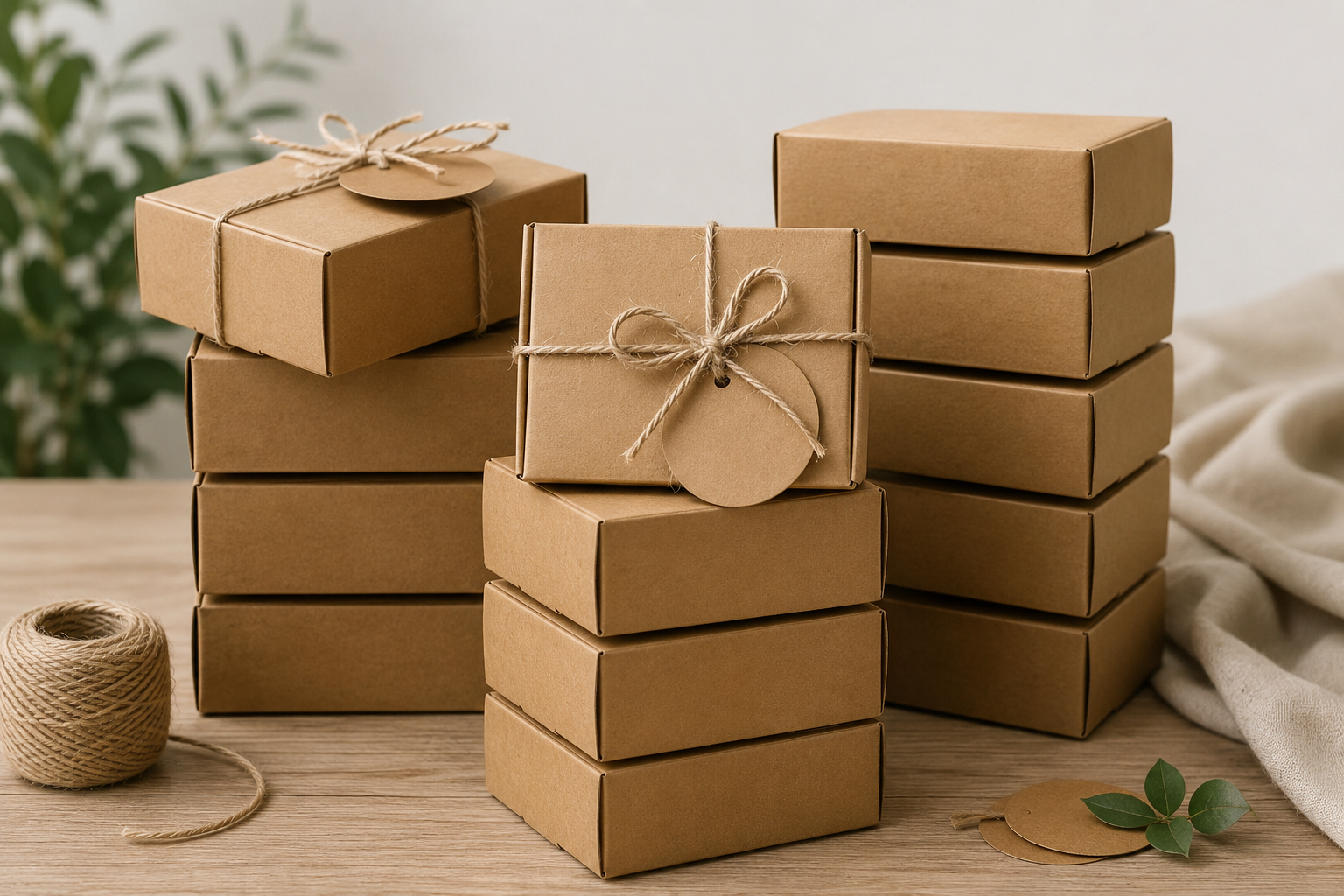
Recycled kraft boxes are one of the most versatile packaging solutions available.
They’re made from recycled paper fibers, are widely recyclable, lightweight, and suitable for almost every industry.
Best For
- Candle businesses
- Jewelry brands
- Handmade products
- Cosmetics
- Gift boxes
- Subscription boxes
Advantages
- Professional appearance
- Strong protection
- Easy to customize
- Affordable
- Recyclable
Considerations
Although kraft boxes resist normal shipping conditions well, they may require additional protection for fragile products.
Adding paper cushioning or molded pulp inserts can improve protection while keeping the package environmentally friendly.
2. Compostable Mailers
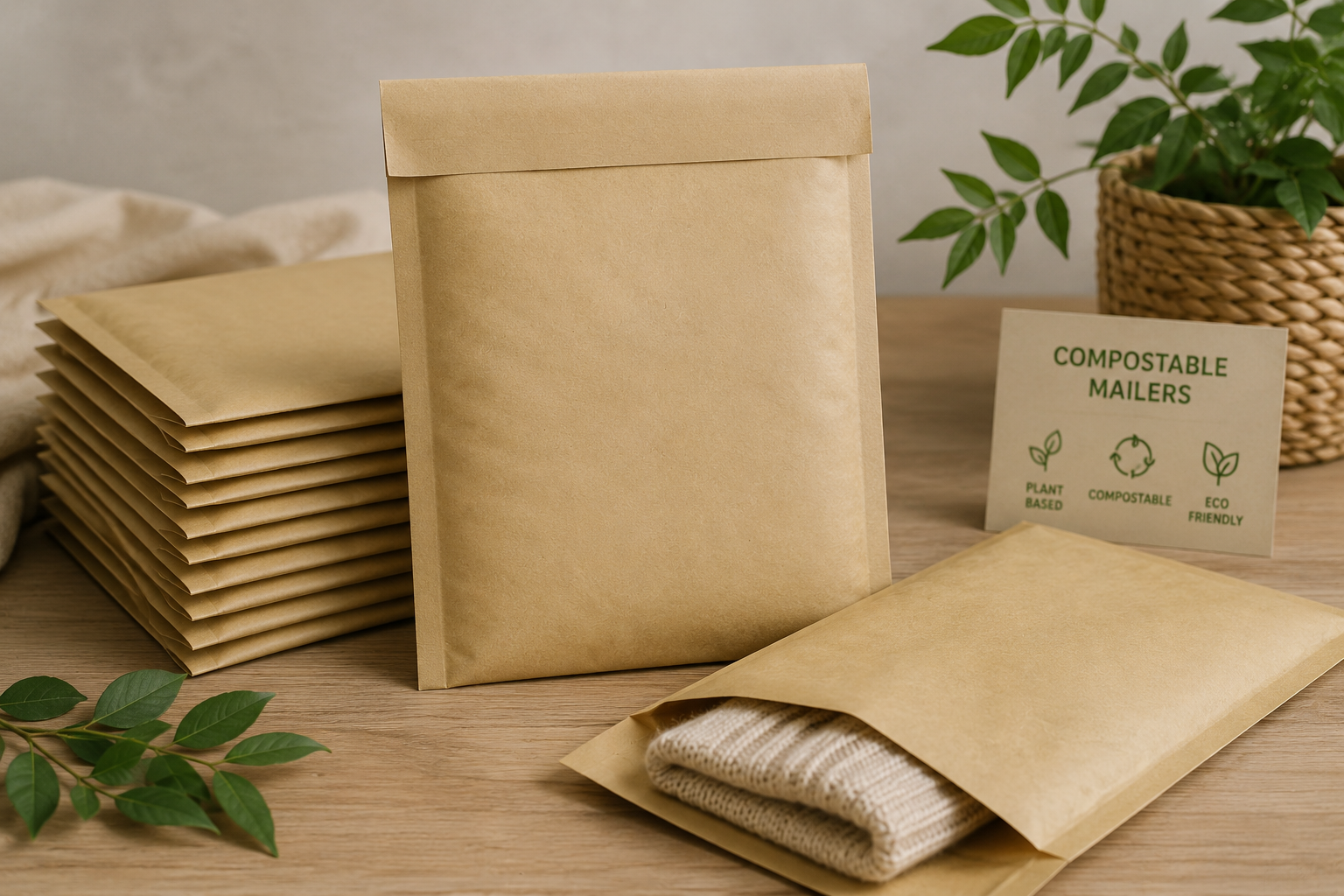
Compostable mailers provide an excellent alternative to traditional plastic shipping bags.
Instead of petroleum-based plastic, these mailers are manufactured using plant-derived materials that decompose under industrial composting conditions.
They’re especially useful for businesses shipping lightweight items such as clothing, accessories, notebooks, and fabric products.
Best For
- Apparel
- Fabric products
- Small accessories
- Subscription packages
Advantages
- Plastic-free appearance
- Lightweight shipping
- Professional presentation
- Better environmental profile
3. Recycled Corrugated Cardboard Boxes
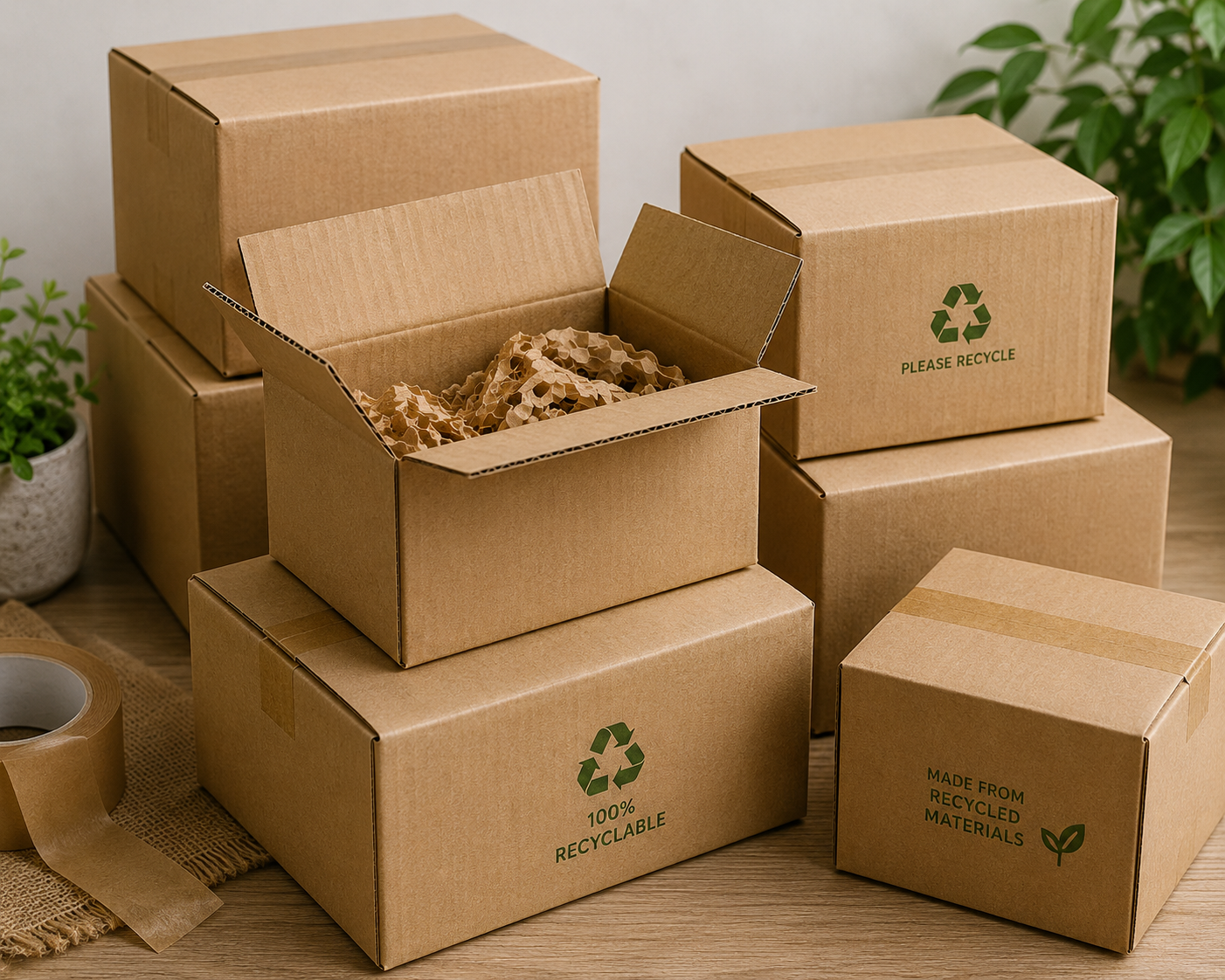
Corrugated cardboard remains one of the most practical and sustainable packaging materials for shipping products safely.
Made with multiple paper layers, these boxes offer excellent protection while remaining fully recyclable in most countries.
Best For
- E-commerce stores
- Subscription boxes
- Home décor
- Electronics
- Handmade products
Advantages
- Excellent shipping protection
- Widely recyclable
- Affordable in bulk
- Available in many sizes
- Easy to print with custom branding
Considerations
Choose boxes that closely match your product dimensions. Oversized boxes waste materials and increase shipping costs.
4. Honeycomb Paper Wrap
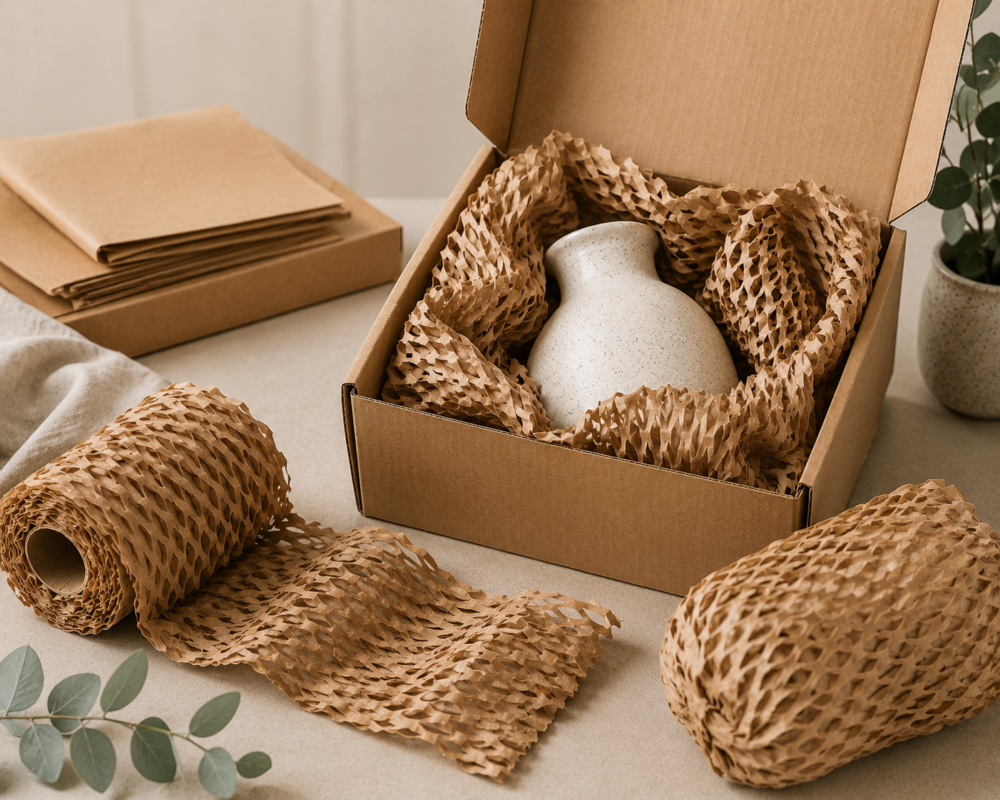
Honeycomb paper wrap has become one of the best replacements for bubble wrap.
Its unique expandable structure cushions fragile products while remaining completely paper-based.
Best For
- Glass jars
- Candles
- Ceramic products
- Cosmetics
- Gift items
Advantages
- Plastic-free
- Lightweight
- Elegant presentation
- Recyclable
- Easy to use
Compared with traditional bubble wrap, honeycomb paper creates a premium unboxing experience that many customers appreciate.
5. Paper Tape

Traditional plastic tape often prevents packaging from being fully recyclable.
Water-activated paper tape solves this problem while creating a cleaner, more professional appearance.
Best For
- Shipping boxes
- Subscription boxes
- Retail packaging
Advantages
- Fully recyclable
- Strong adhesive bond
- Tamper-evident
- Professional appearance
6. Molded Pulp Packaging
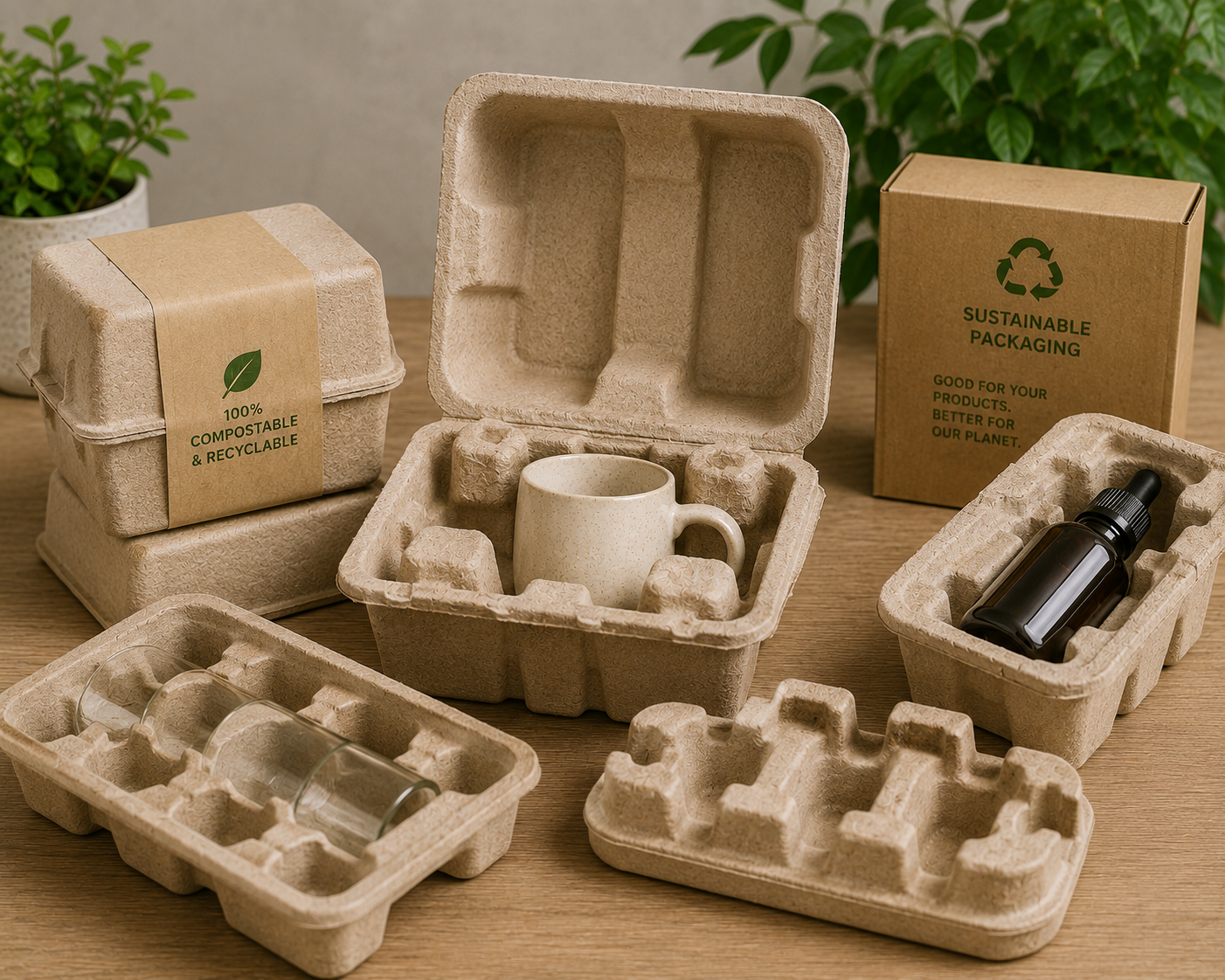
Molded pulp inserts are made from recycled paper fibers and provide excellent protection for fragile products.
Many electronics and premium brands already use molded pulp instead of plastic inserts.
Best For
- Glass bottles
- Candles
- Cosmetics
- Electronics
- Gift sets
Advantages
- Recyclable
- Compostable
- Excellent shock absorption
- Premium appearance
7. FSC-Certified Paper Packaging
FSC-certified paper comes from responsibly managed forests.
Choosing FSC-certified packaging demonstrates that your business supports sustainable forestry practices.
Best For
- Product boxes
- Printed inserts
- Thank-you cards
- Labels
- Packaging sleeves
Advantages
- Responsible sourcing
- Trusted environmental certification
- Strong brand credibility
8. Paper Cushioning
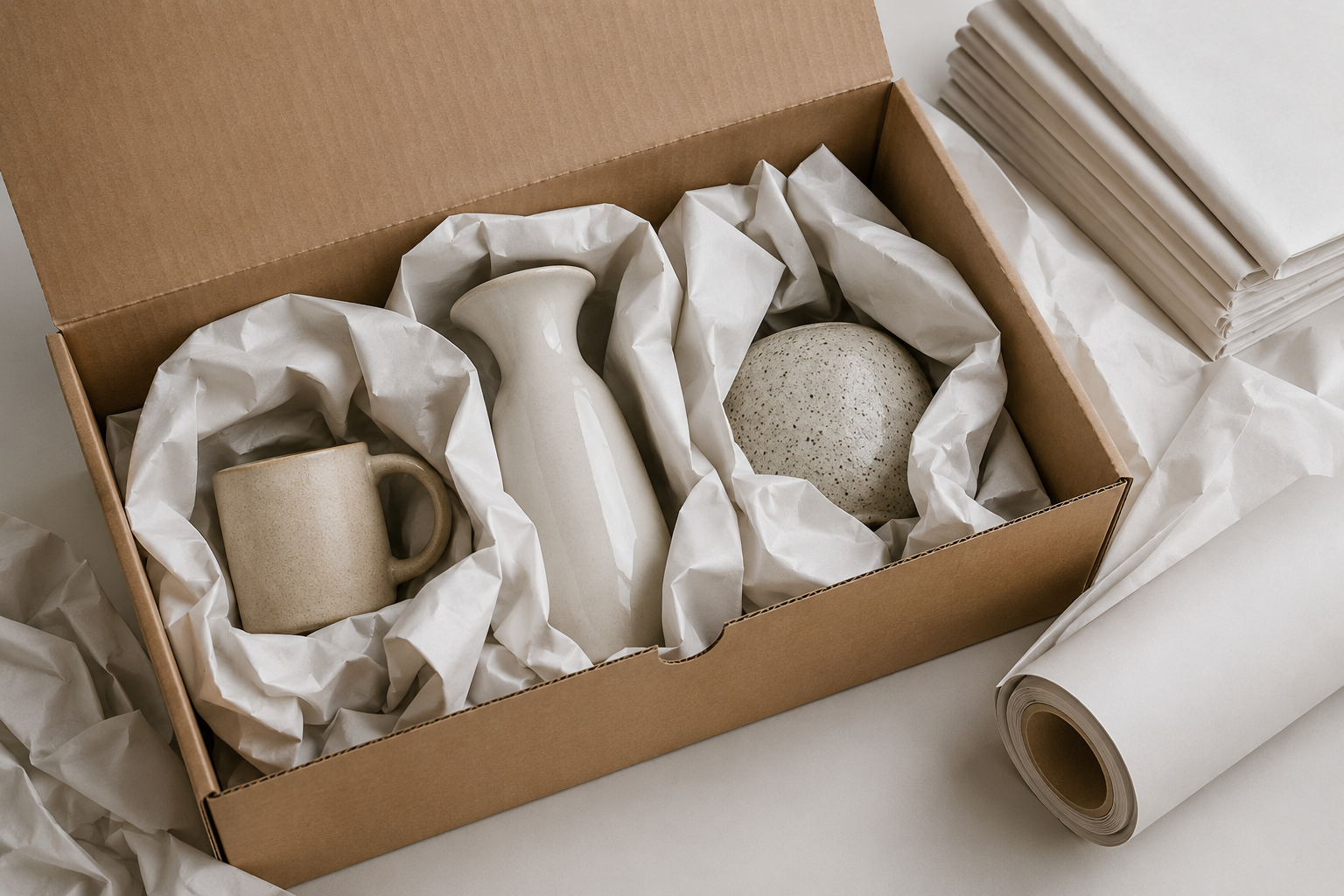
Instead of plastic air pillows, paper cushioning protects products using recyclable paper.
Options include:
- Crinkle paper
- Kraft filler
- Tissue paper
- Paper pads
These materials are inexpensive, recyclable, and ideal for improving presentation.
9. Glass Containers
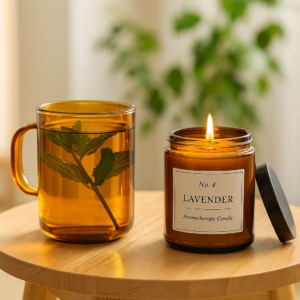
Glass remains one of the most sustainable packaging materials because it can be recycled repeatedly without losing quality.
Best For
- Candles
- Cosmetics
- Food products
- Spices
- Skincare
Advantages
- Premium appearance
- Long lifespan
- Infinitely recyclable
10. Fabric Packaging Bags
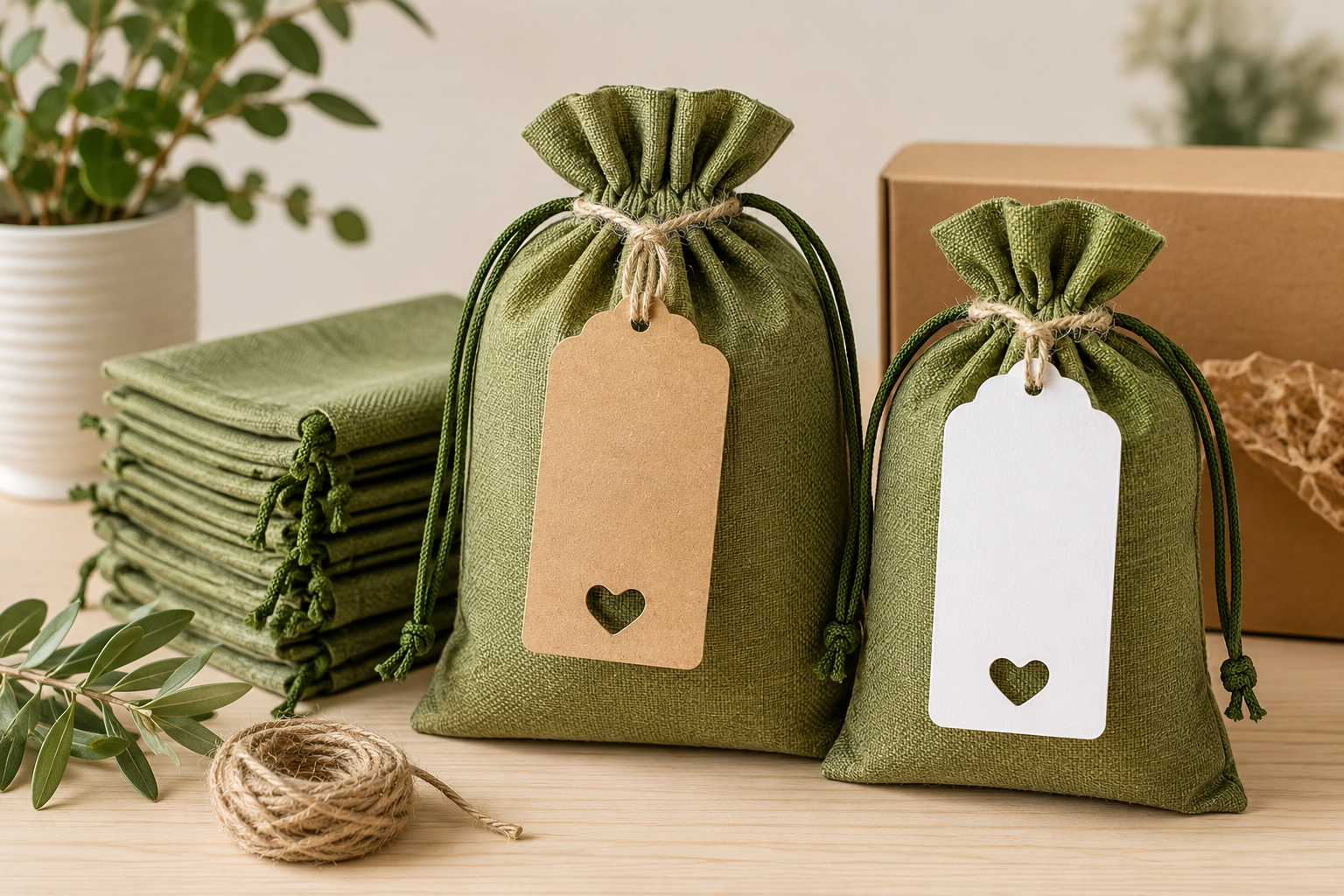
Reusable cotton or linen bags add value while reducing waste.
Customers often keep these bags for future use, extending your brand visibility.
Best For
- Jewelry
- Gifts
- Luxury products
- Handmade items
Advantages
- Reusable
- Premium presentation
- Less single-use waste
11. Plant-Based Packing Peanuts
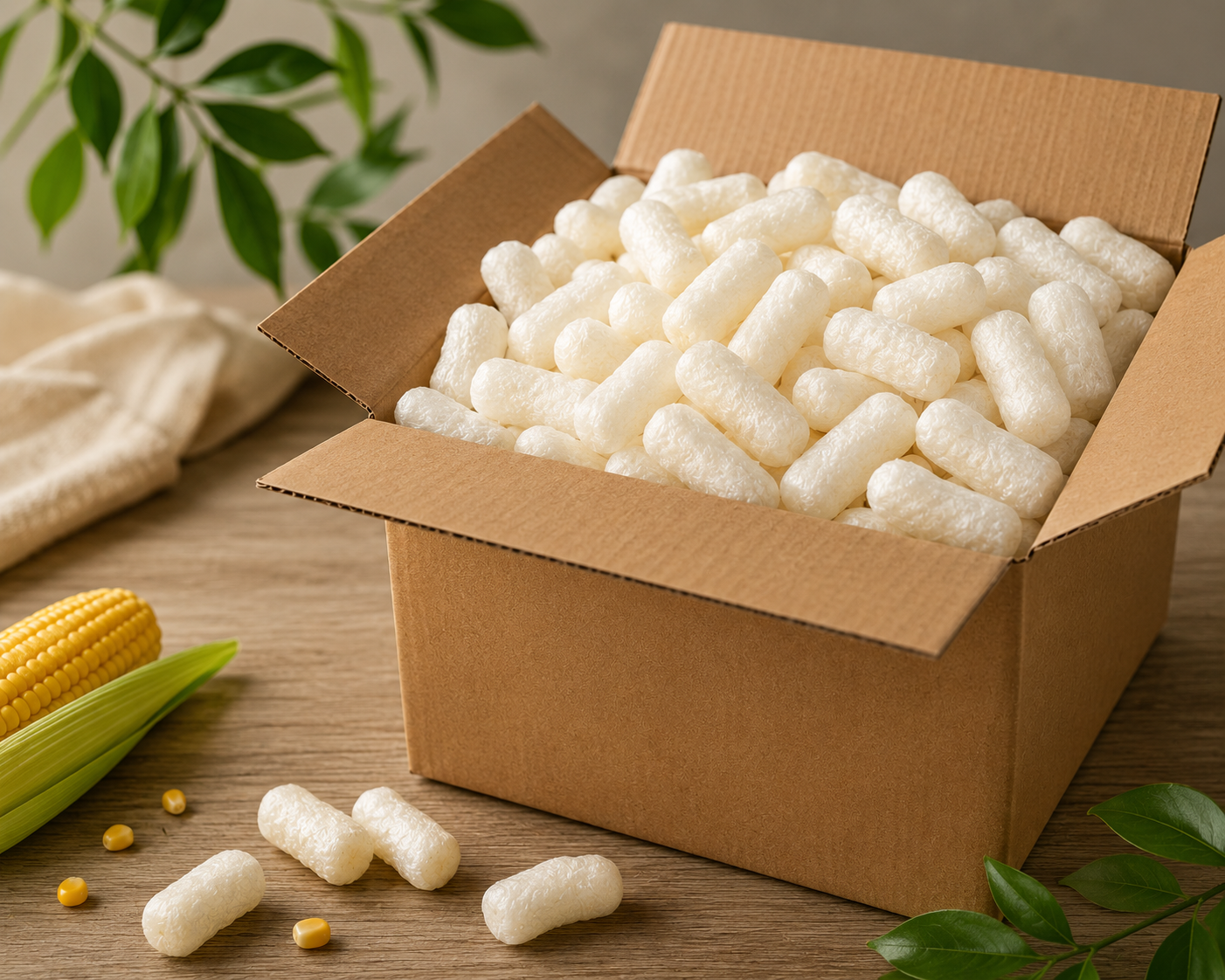
Traditional foam peanuts are difficult to recycle.
Plant-based alternatives dissolve in water and decompose naturally.
Best For
- Fragile products
- Glass
- Ceramics
- Electronics
Advantages
- Compostable
- Lightweight
- Excellent cushioning
12. Refillable Packaging
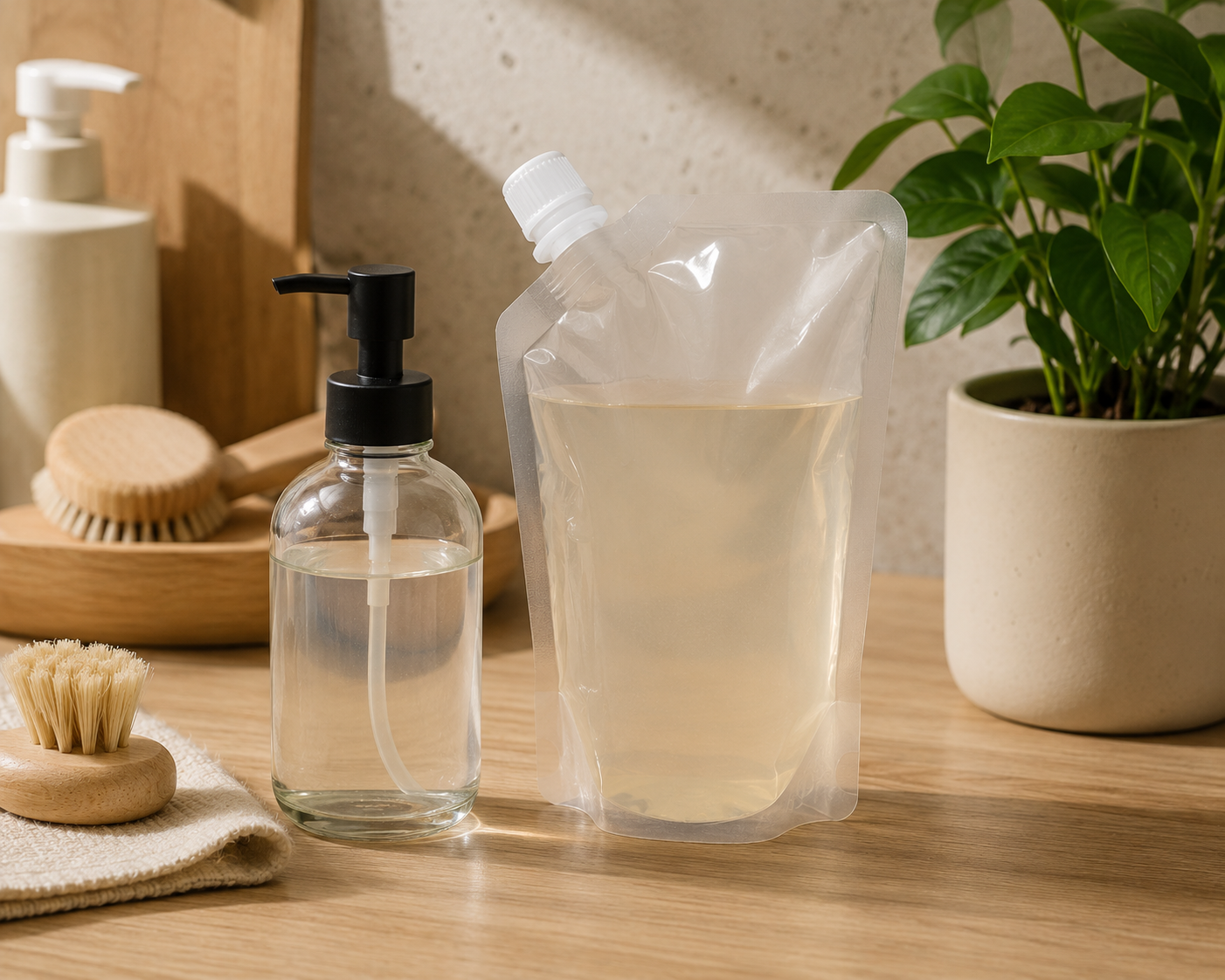
Instead of encouraging customers to buy new containers every time, refill systems allow them to reuse the original package.
This model is becoming increasingly popular for:
- Skincare
- Cleaning products
- Coffee
- Personal care items
Advantages
- Less waste
- Lower long-term packaging costs
- Strong customer loyalty
13. Reusable Packaging
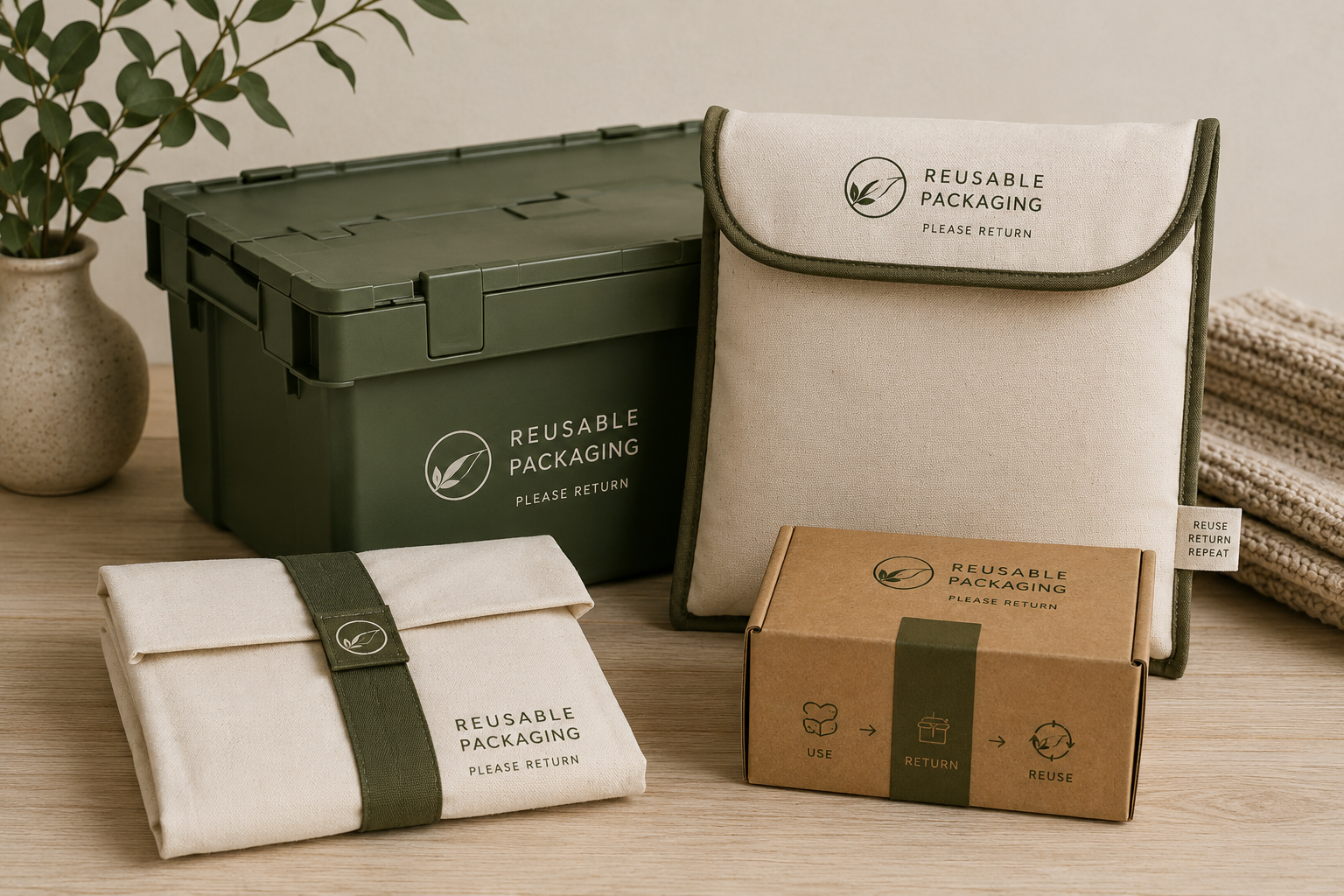
Reusable shipping packaging is designed to be returned or reused multiple times.
Although not suitable for every business, it works well for subscription services and local delivery businesses.
14. Minimal Packaging Design
Sometimes the most sustainable packaging isn’t a different material—it’s simply using less packaging.
Consider:
- Smaller boxes
- Fewer inserts
- Less filler
- Simple label designs
- One-color printing
Minimal packaging reduces costs while creating a clean, modern appearance.
15. Mushroom Packaging
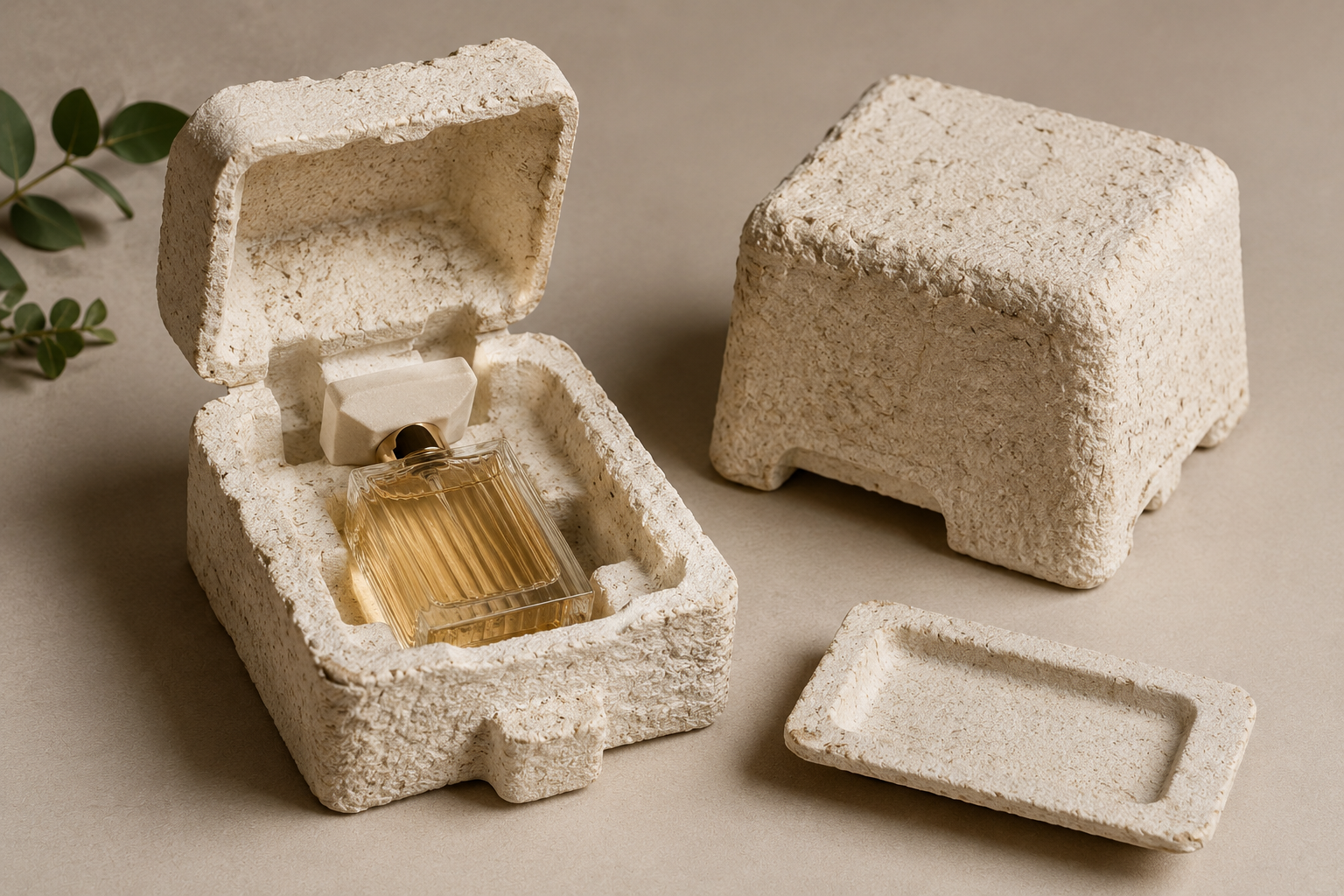
One of the newest innovations in sustainable packaging is mushroom packaging.
Made from agricultural waste and mycelium, it naturally decomposes after disposal and offers excellent protection for fragile products.
Although currently more expensive than cardboard, it represents an exciting option for premium eco-conscious brands.
Best Packaging Supplies for Small Business
Best Eco-Friendly Packaging Materials for Small Businesses
Choosing the right material depends on your products, shipping requirements, and budget.
| Material | Recyclable | Compostable | Cost | Best For |
|---|---|---|---|---|
| Kraft Paper | ✅ | ❌ | Low | Gift packaging, boxes |
| Corrugated Cardboard | ✅ | ❌ | Low | Shipping |
| Honeycomb Paper | ✅ | ❌ | Medium | Fragile items |
| Molded Pulp | ✅ | ✅ | Medium | Protective inserts |
| Glass | ✅ | ❌ | High | Candles, cosmetics |
| Paper Tape | ✅ | ❌ | Low | Shipping boxes |
| Compostable Mailers | ❌ | ✅ | Medium | Clothing |
| Plant-Based Peanuts | ❌ | ✅ | Medium | Fragile shipping |
Affordable Zero-Waste Packaging Ideas for Small Businesses
Many startups assume sustainable packaging requires a large budget, but there are several low-cost changes you can implement immediately.
Start with these practical improvements:
- Replace plastic tape with paper tape.
- Switch bubble wrap to honeycomb paper.
- Use recycled kraft boxes.
- Reduce oversized packaging.
- Eliminate unnecessary plastic inserts.
- Print on recycled paper.
- Buy packaging in bulk.
- Reuse clean shipping boxes for internal deliveries or samples.
Even replacing one packaging component can reduce waste and improve your brand image.
Sustainable Packaging vs Eco-Friendly Packaging
Although these terms are often used interchangeably, they are not exactly the same.
| Eco-Friendly | Sustainable |
|---|---|
| Focuses on reducing environmental harm | Focuses on the entire product lifecycle |
| May use recyclable materials | Considers sourcing, manufacturing, transportation, and disposal |
| Usually easier to implement | Often requires long-term planning |
The best packaging combines both principles whenever possible.
How to Choose the Right Eco-Friendly Packaging for Your Business
The best eco-friendly packaging depends on what you sell, how you ship your products, and the experience you want customers to have. There is no one-size-fits-all solution.
Instead of choosing the most expensive option, focus on selecting packaging that balances protection, sustainability, and cost.
For Candle Businesses
Candles require packaging that protects glass containers while presenting a premium appearance.
Recommended combination:
- Recycled kraft box
- Honeycomb paper wrap
- Molded pulp insert
- Paper tape
- Recycled thank-you card
Test this combination with the exact product and shipping route; protection depends on fit, handling, and material quality.
For Jewelry Businesses
Small products don’t require large amounts of packaging.
Recommended materials:
- FSC-certified jewelry boxes
- Cotton pouches
- Kraft mailers
- Paper tissue
- Paper stickers
For Home Bakery Businesses
Food packaging should always comply with local food safety regulations.
Good sustainable options include:
- Kraft bakery boxes
- Compostable window boxes
- Paper bags
- Recyclable cake boxes
- Paper twine instead of plastic ribbon
Home Bakery Packaging Supplies
For Skincare & Cosmetics
For fragrance brands, discovery sets and sample launches can also use compact branded structures such as these perfume sample packaging templates.
Premium appearance matters just as much as sustainability.
Recommended packaging:
- Glass jars
- Aluminum tins
- Recycled cardboard sleeves
- Paper filler
- Compostable shipping mailers
For Handmade Products
Handmade businesses benefit from simple natural-looking packaging.
Try combining:
- Kraft boxes
- Natural twine
- Minimal labels
- Recycled tissue paper
- Paper stickers
Customers often associate this style with authenticity and craftsmanship.
For E-commerce Stores
Online sellers should prioritize shipping protection and cost efficiency.
A practical setup includes:
- Corrugated shipping boxes
- Paper tape
- Honeycomb paper wrap
- Recycled filler paper
- Minimal printed inserts
Reducing empty space inside the package also lowers shipping costs.
Packaging Ideas for Small Business
Common Eco-Friendly Packaging Mistakes
Many small businesses invest in sustainable packaging but unintentionally reduce its effectiveness.
Avoid these common mistakes.
Using Oversized Boxes
Large boxes require more filler material and increase shipping costs.
Always choose packaging that closely fits your product.
Mixing Too Many Materials
A recyclable cardboard box filled with plastic foam and sealed using plastic tape becomes much harder to recycle.
Whenever possible, use materials from the same recycling stream.
Choosing Sustainability Over Protection
Damaged products create unnecessary waste.
Protecting the product properly is always the first priority.
A package that prevents product damage can avoid the added waste of replacement shipments, but it still needs to be evaluated across its full lifecycle.
Ignoring Customer Disposal
Many customers don’t know whether packaging can be recycled or composted.
A small printed note explaining how to dispose of packaging correctly improves the customer experience.
Buying Packaging Without Testing
Always test your packaging before placing large orders.
Check:
- Shipping durability
- Moisture resistance
- Product fit
- Customer presentation
Small improvements discovered early can save significant money later.
Where to Buy Eco-Friendly Packaging Supplies
Many suppliers now offer environmentally responsible packaging suitable for small businesses.
Look for suppliers that provide:
- Recycled cardboard boxes
- FSC-certified paper
- Compostable mailers
- Paper tape
- Honeycomb paper wrap
- Molded pulp inserts
- Paper fillers
- Recycled tissue paper
When comparing suppliers, don’t focus only on price.
Also consider:
- Minimum order quantities
- Shipping costs
- Packaging quality
- Sustainability certifications
- Customer reviews
Buying slightly better packaging often reduces damaged shipments and improves customer satisfaction.
For a broader buying list, compare the best packaging supplies for small businesses. For more specific sustainable options, see our compostable packaging guide and our guide to sustainable packaging paper types, weights, and inks.
Eco-Friendly Packaging Checklist
Use this quick checklist before choosing packaging for your products.
✅ Is the package the correct size?
✅ Can most of the materials be recycled?
✅ Can unnecessary plastic be removed?
✅ Is the packaging durable enough for shipping?
✅ Does the packaging reflect your brand?
✅ Is the packaging affordable for your profit margins?
✅ Will customers know how to dispose of it?
If you answered “Yes” to most of these questions, you’re already making environmentally responsible packaging decisions.
Frequently Asked Questions
What is eco-friendly packaging?
Eco-friendly packaging uses materials and manufacturing methods that reduce environmental impact. It often includes recyclable, reusable, compostable, or responsibly sourced materials.
What is the difference between eco-friendly and sustainable packaging?
Eco-friendly packaging focuses on reducing environmental harm, while sustainable packaging considers the complete lifecycle of the package—from raw materials to disposal.
Is cardboard eco-friendly?
Yes. Corrugated cardboard is one of the most environmentally friendly packaging materials because it is recyclable, widely available, and often manufactured using recycled fibers.
Is kraft paper recyclable?
Yes.
Most untreated kraft paper can be recycled through normal paper recycling systems.
Does eco-friendly packaging cost more?
Not necessarily.
Many sustainable materials are now competitively priced, especially when purchased in bulk. Reducing excess packaging can also lower overall shipping costs.
What is the best eco-friendly packaging for small businesses?
For most businesses, an excellent starting combination includes:
- Recycled corrugated boxes
- Kraft paper
- Paper tape
- Honeycomb paper wrap
- Paper filler
This combination offers a balance between affordability, protection, and sustainability.
What packaging materials are biodegradable?
Some biodegradable packaging materials include:
- Mushroom packaging
- Cornstarch-based packaging
- Certain compostable mailers
- Plant-based packing peanuts
Always verify the manufacturer’s disposal instructions, as some products require industrial composting facilities.
Can eco-friendly packaging improve my brand?
It can, when the claims are accurate, relevant, and easy for customers to understand.
Some customers value lower-waste packaging, but avoid broad environmental promises unless you can support them with supplier documentation, certifications, and clear disposal instructions.
Planning a seasonal packaging refresh? See these Halloween printables for small businesses for gift tags, stickers, thank-you cards, and packaging ideas you can use for October promotions.
Final Thoughts
Choosing eco-friendly packaging isn’t about making your business perfect overnight.
Small improvements—such as right-sizing boxes, replacing unnecessary plastic components, or using documented recycled-content paper—can reduce unnecessary material use while creating a more professional customer experience.
As your business grows, you can continue upgrading your packaging strategy by introducing compostable mailers, refillable containers, reusable packaging, and responsibly sourced materials.
The best eco-friendly packaging is the one that protects your products, fits your budget, and reflects your brand values.
Making thoughtful packaging decisions today benefits not only the environment but also your customers, your business, and your long-term growth.
Looking for recommended packaging tools, printers, supplies, and software? Visit our Small Business Packaging Tools page.