
Affiliate disclosure: This post contains affiliate links. If you purchase through them, I may earn a commission at no extra cost to you. As an Amazon Associate I earn from qualifying purchases.
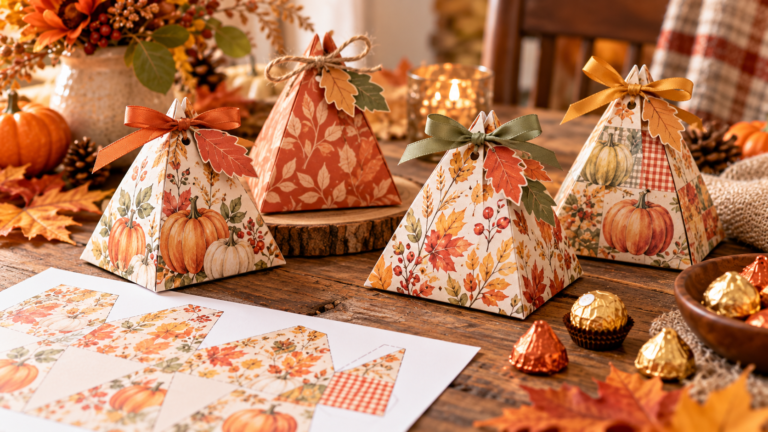
Explore 10 practical home printing ideas for turning digital designs into physical products with accessible tools, thoughtful materials, and small-batch production. For a seasonal project you can print at home on A4 paper, see our Thanksgiving printable gift box templates and Thanksgiving printable treat box templates.
Why Home Printing Still Works in 2026
Home printing can be more than a hobby: it gives designers a practical way to prototype ideas, produce small batches, and keep creative control.
If you already design digitally, it offers a direct path from file to physical product without committing to factory quantities.
Home printing ideas work best when design, material choice, and product purpose are aligned.
What “Home Printing” Really Means
Home printing is the process of producing sellable physical products using consumer-grade printers, cutters, and finishing tools from a home studio.
This model is widely used by U.S. Etsy sellers, small brands, and independent designers.
10 Home Printing Ideas You Can Make at Home
1. Art Prints & Wall Decor
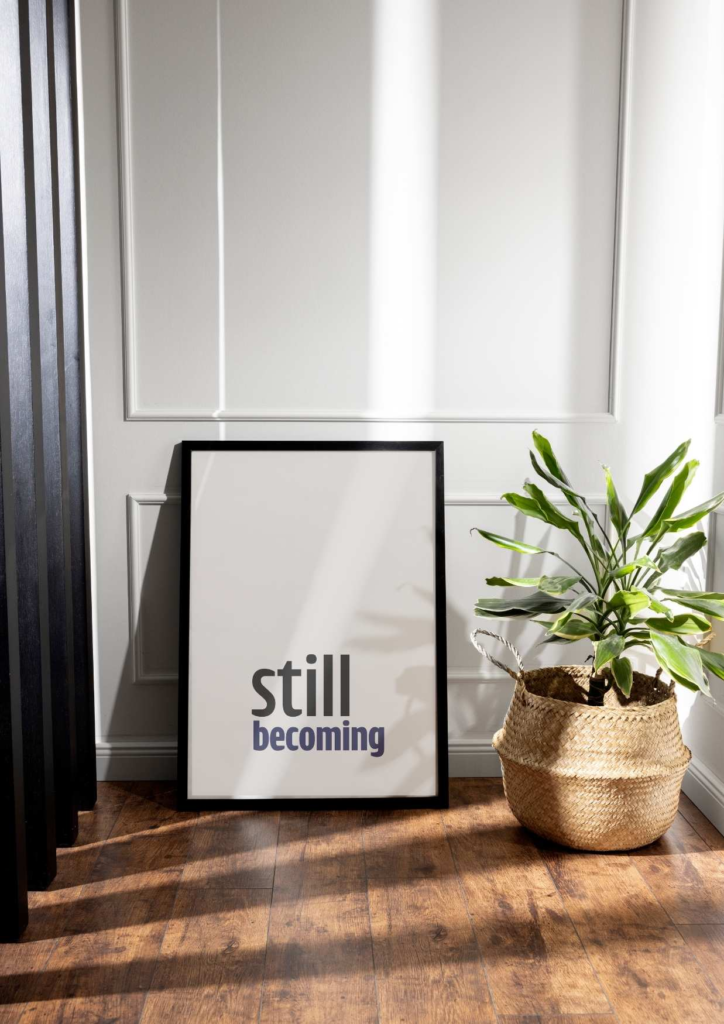
Digital illustrations, typography posters, and minimalist art can translate well to print when the file resolution, color settings, ink, and paper are compatible.
Best paper:
- Matte heavyweight (200–250 gsm)
- Archival inkjet paper
U.S. example: Etsy wall art sellers often test designs at home before scaling.
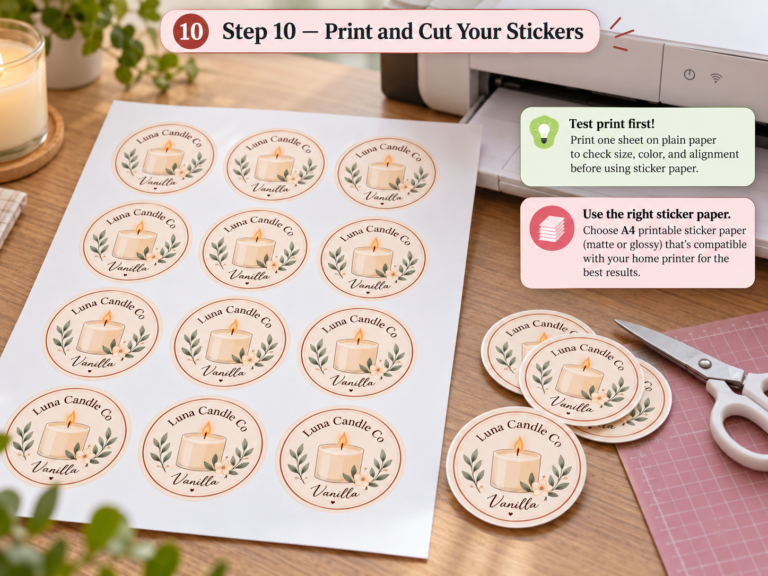
2. Printable Stickers & Labels
Stickers can be inexpensive to test in small batches and work well for branding, packaging, and stationery.
Use cases:
- Thank-you stickers
- Product labels
- Seasonal packaging
Tools: Start with printable sticker paper and, if you need contour cuts, a Cricut with the right cutting accessories.
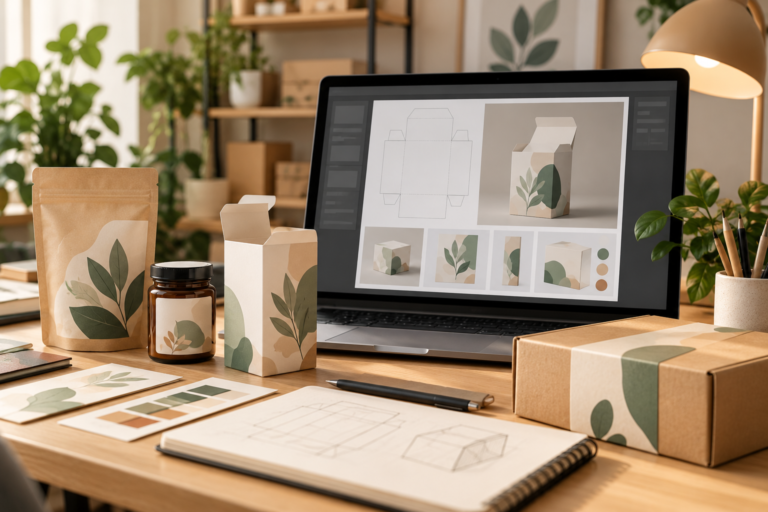
3. Packaging Sleeves & Wraps
One of the smartest home printing ideas for small businesses.
Why it works:
- Turns plain boxes into branded packaging
- No custom die-cuts required
Paper: Kraft or textured cardstock (250–300 gsm)
4. Greeting Cards & Thank-You Cards
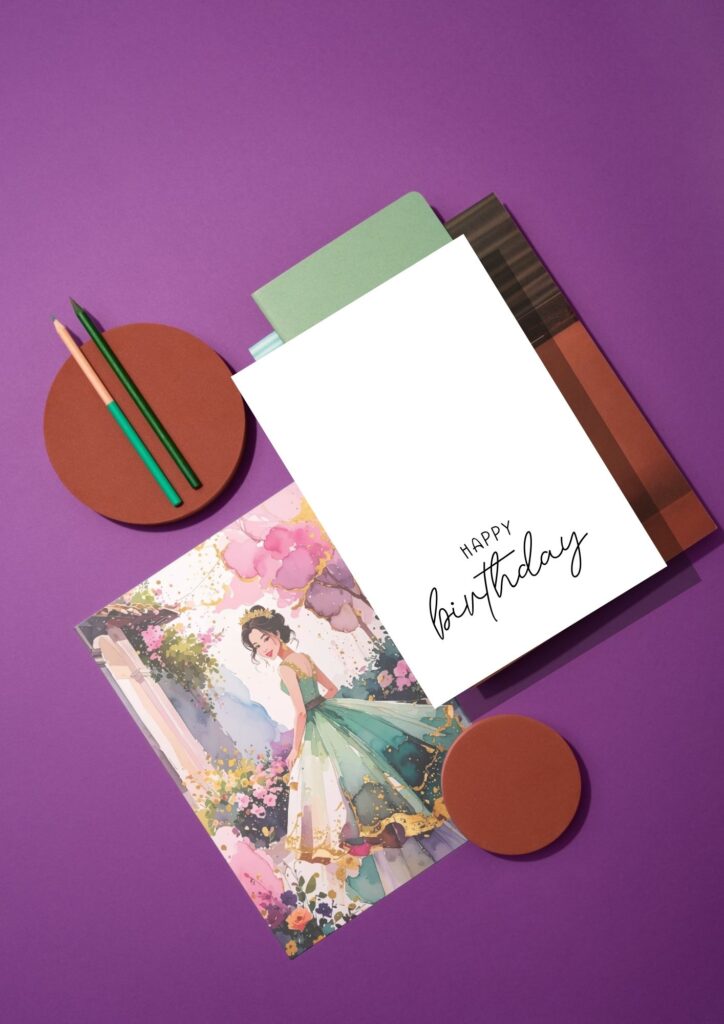
Greeting cards and branded thank-you cards are practical products for handmade shops and small brands.
Tip: Start with clear typography and a focused color palette so the message remains readable at the final printed size.
5. Planner Inserts & Notepads
Create a reusable layout, test the printed size, then produce small batches as orders or inventory needs grow.
Formats:
- A5 / A4
- Minimal grid or lined styles
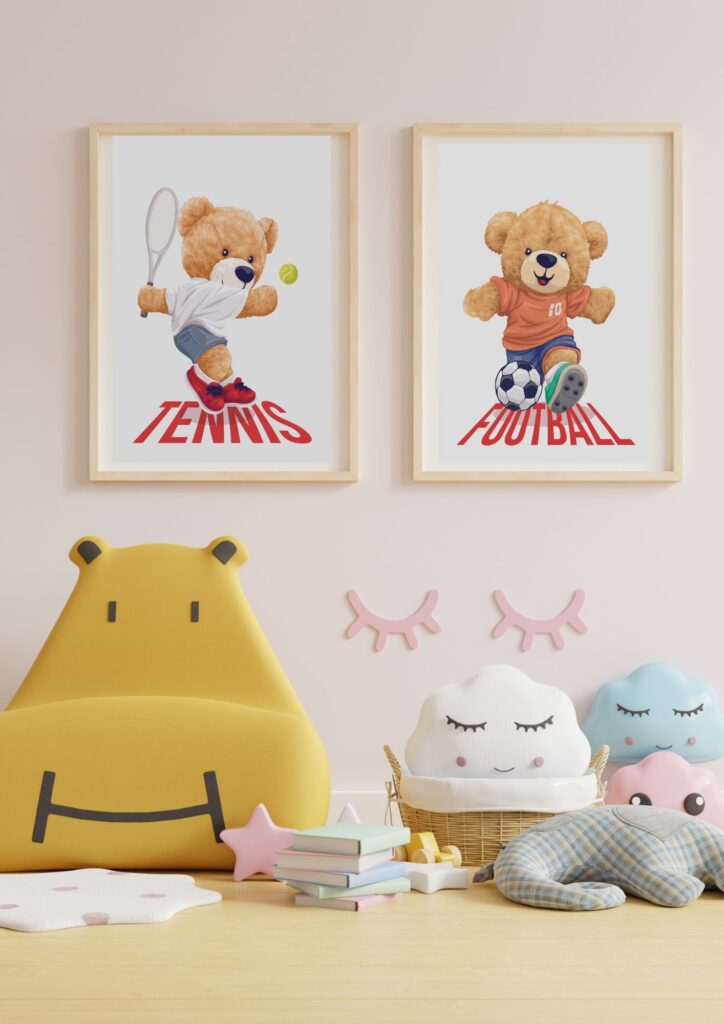
6. Sports Kids Wall Art – Cute Sports Illustrations for Kids Room
Themes such as animals, sports, and alphabet art can be adapted into coordinated children’s-room collections.
Design opportunity: A clear theme, coordinated colors, and optional personalization can help a small collection feel distinctive.
7. Gift Tags & Hang Tags
Gift tags and hang tags are useful for seasonal collections, product details, and small-brand packaging.
Direct benefit: A coordinated tag can make simple packaging feel more intentional while keeping material use modest.
8. Fabric Paper & Printable Textiles
Use inkjet-compatible fabric sheets for:
- Mini banners
- Tote panels
- Decorative patches
Home-printed fabric sheets are best suited to samples and limited runs; larger quantities may require a specialist textile-printing service.
9. Educational Printables
Flashcards, charts, and worksheets.
Use case: Flashcards, classroom charts, and activity sheets can serve teachers, tutors, and homeschool families.
10. Eco-Friendly Packaging Inserts
Print sustainability messages, care cards, or brand stories.
Practical note: Keep inserts small, useful, and easy to recycle; unnecessary cards still add material and printing impact.
If sustainability is important for your brand, you may also find this guide helpful:
Use our Sustainability Symbols in Packaging Guide before adding recycling or environmental marks to your printed pieces.
Tools I Personally Use (Real Experience)
From Bushra’s actual workflow:
- Adobe Illustrator – clean vectors, print-ready files
- Epson inkjet printer – used for color output in Bushra’s home-printing workflow
- Canva – client-editable versions
- Manual cutting + basic trimmer (no expensive machines)
Real result: Home-printed packaging inserts helped me validate products before turning them into digital templates sold online.
Practical Tips That Save Money
- Always print test sheets
- Avoid glossy paper unless necessary
- Design with bleed and margins
- Match ink type to paper
- Store paper flat to avoid warping
Direct insight: Most print failures come from poor paper choice—not bad design.
Sustainability Matters (Especially in the U.S.)
Eco-conscious buyers notice materials.
Better options:
- Recycled cardstock
- Kraft paper
- Water-based inks
Printing on demand can reduce unsold inventory, but total impact still depends on the paper, ink, energy use, and end-of-life options. See our eco-friendly packaging guide for practical material choices.
Quick Comparison Table
| Product Type | Cost | Skill Level | Scalability |
|---|---|---|---|
| Art Prints | Low | Beginner | Medium |
| Stickers | Low | Beginner | High |
| Packaging Sleeves | Medium | Intermediate | High |
| Fabric Prints | Medium | Advanced | Low |
Sources & References
- Etsy – Seller trends & demand
- Smashing Magazine – Print & design fundamentals
- EPA – Sustainable material guidelines
Home printing ideas allow designers to turn digital files into profitable, low-risk physical products using simple tools, smart materials, and on-demand production.
FAQ
1. Can home printing be profitable?
It can be, but profit depends on pricing, material and ink costs, production time, demand, and shipping. Calculate the full cost of each item before selling.
2. Do I need expensive printers?
No. A good inkjet printer is enough to start.
3. What sells best for beginners?
Stickers, art prints, and thank-you cards.
4. Is home printing sustainable?
It can reduce excess inventory when you print only what you need, but sustainability also depends on paper, ink, energy use, and disposal.
5. Should I sell physical or digital files?
Test physically, then scale digitally.