
If you sell handmade soap, packaging is part of the product. It is not just decoration. Good packaging protects the bar, keeps it clean, supports your brand, and makes the product easier to sell.
For small businesses, the goal is simple: choose packaging that fits the soap type, looks professional, and does not kill your profit margin.
This guide explains how to package handmade soap in a practical way for the U.S. small business market, especially if you are working from home or producing in small batches.
Handmade soap packaging is the system used to protect, present, and label soap for storage, sale, and shipping.
Good soap packaging should do three jobs:
- protect the product
- support the brand
- match the soap type
That last point matters more than most beginners think.
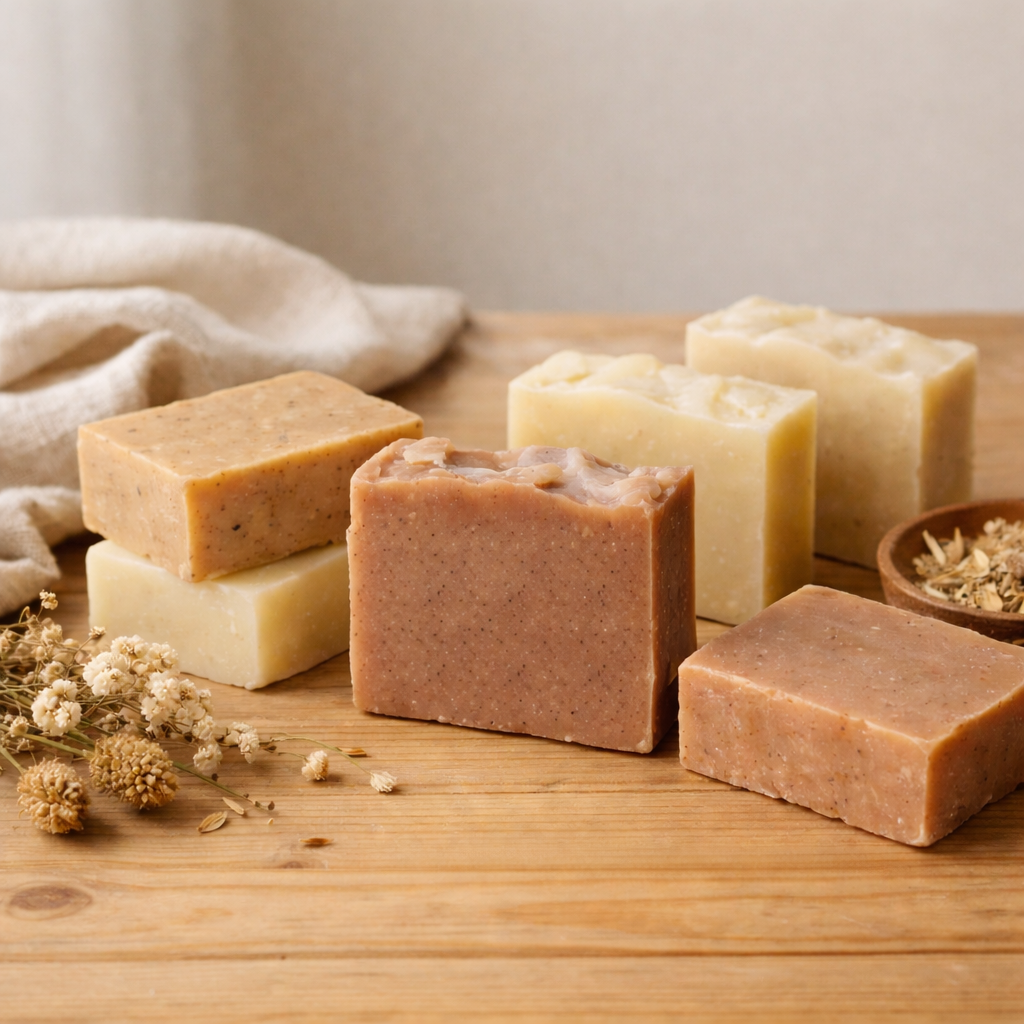
Cold process soap usually needs breathable packaging. Melt and pour soap usually needs sealed packaging. The right packaging depends on moisture behavior, product finish, and how the soap will be sold.
Step 1: Identify Your Soap Type First
This is the first decision because different soaps behave differently.
Cold Process Soap
Cold process soap usually benefits from breathable handmade soap packaging. Many small brands use kraft wraps, paper bands, or boxes with partial coverage because the bar continues to breathe after curing.
Melt and Pour Soap
Melt and pour soap is more likely to sweat because of its glycerin content. That means it often needs sealed packaging, such as shrink wrap or another moisture barrier, especially in humid environments.
Why this matters
If you package the wrong soap the wrong way, you create problems.
- A breathable bar sealed too tightly may not age well
- A sweat-prone bar left exposed may look messy fast
- A beautiful soap with poor packaging can look cheap in seconds
If the soap is sensitive to humidity, seal it.
If the soap needs airflow, let it breathe.
The FDA also makes an important distinction between “soap” and products regulated as cosmetics, and it requires proper labeling when products fall under cosmetic rules. Small businesses selling these products are responsible for safe and accurate labeling.
Step 2: Decide What the Packaging Needs to Do
Before choosing materials, answer these questions:
- Is the soap sold individually or in sets?
- Will the customer smell the soap before buying?
- Will it sit in a retail display?
- Will it be shipped across the U.S.?
- Is the brand natural, premium, gift-focused, or minimalist?
This is where many small businesses get it wrong. They choose packaging based only on appearance.
The better approach is this:
Function first. Branding second. Decoration last.
How to Package Handmade Soap: Key Tips
Step 3: Choose the Right Packaging Material
Here are the most practical options for soap packaging for small business use.
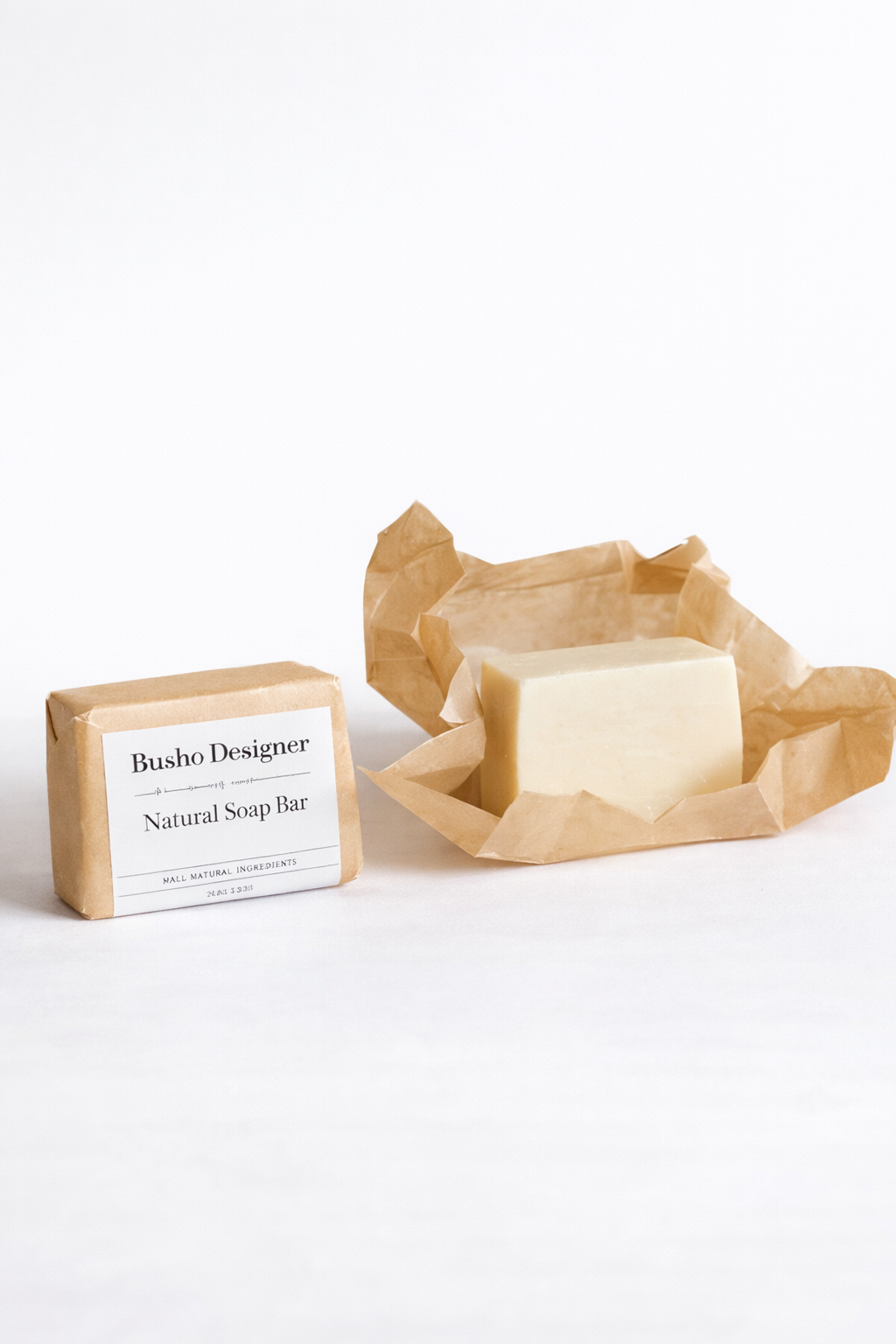
Kraft Paper
Kraft paper is one of the easiest starting points for eco friendly soap packaging.
Why it works:
- affordable
- easy to source in the U.S.
- fits natural and handmade branding
- works with stickers, stamps, or belly bands
Best use cases:
- cold process soap
- rustic brands
- low-cost packaging systems
- market stalls and small-batch sales
If you are deciding how to package soap for selling at markets, prioritize protection, clear labeling, easy handling, and a presentation that still looks professional after transport and repeated customer handling.
Glassine Paper
Glassine is a better upgrade when you want a cleaner look without jumping into full plastic-based sealing.
Why it works:
- smooth and neat appearance
- more resistant to grease than standard paper
- suitable for brands that want minimal but polished packaging
Best use cases:
- premium handmade bars
- cleaner shelf presentation
- semi-protective paper wrap
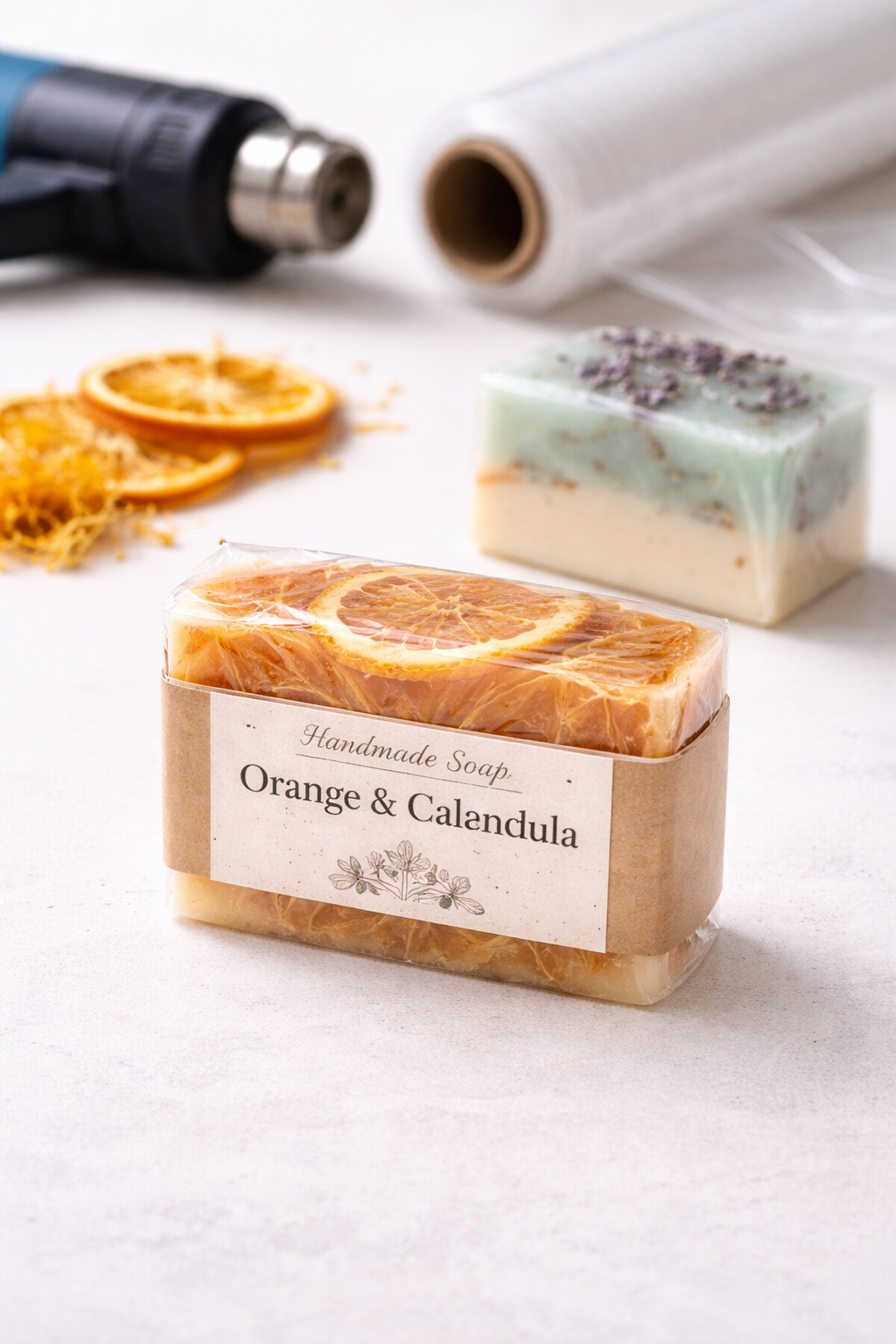
Shrink Wrap
Shrink wrap is usually used when the soap needs stronger protection from moisture and handling.
Why it works:
- protects from dust and fingerprints
- helps reduce sweating issues in melt and pour soap
- gives a sealed retail-ready finish
Best use cases:
- melt and pour soap
- highly detailed decorative bars
- gift-ready products that need clean handling
Soap Boxes
Soap box packaging works when you want better protection and stronger shelf value. If you prefer to make boxes yourself, explore our printable soap box dieline templates and check the finished dimensions against your cured soap bars before printing.
Why it works:
- looks more professional
- protects edges
- makes the bar easier to stack, gift, and display
- gives you more space for branding and compliance information
Best use cases:
- premium bars
- gift sets
- subscription boxes
- Retail sales
Step 4: Pick a Packaging Style That Matches the Product
You do not need complicated packaging. You need the right structure.
1. Belly Band
A belly band is a strip of paper wrapped around the soap.
This is one of the best soap packaging ideas for beginners because it is cheap, easy, and clean.
Best for:
- cured soap bars
- natural brands
- simple visual branding
2. Full Wrap
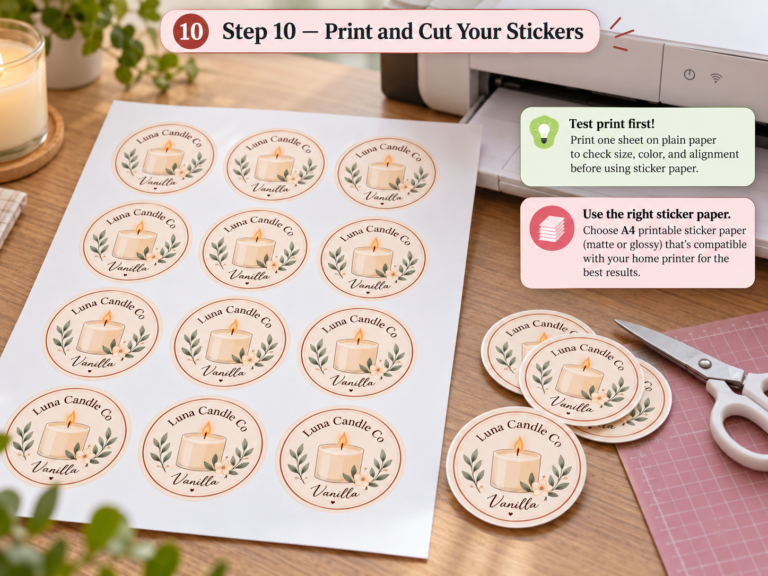
A full wrap covers more of the soap with paper or label material. If you plan to print your own branding stickers or information panels, compare our printers for handmade soap labels and test the finished label on your chosen wrapper.
Best for:
- stronger branding
- products with ingredient and scent details
- small business lines that need a more finished look
3. Open-Window Box
A window box lets the customer see the soap while still protecting the bar.
Best for:
- artisanal soap
- gift-ready presentation
- bars with attractive textures or botanical tops
4. Closed Kraft Box
This is the stronger option for soap box packaging.
Best for:
- shipping
- premium collections
- holiday sets
- bars that need better edge protection
Soap Packaging Ideas for Small Businesses (Easy & Low Cost Guide 2026)
Step 5: Use Standard Measurements Instead of Guessing
If you want your packaging to work, stop eyeballing dimensions.
In the U.S. market, many handmade soap bars are sold around the 4 oz range, and a common bar size is roughly 3 x 2.5 x 1 inches. Real product dimensions vary, but this is a useful starting point for handmade soap packaging planning.
Practical sizing rule
Measure the actual bar, then add slight clearance.
Recommended clearance: 2 to 5 mm
That gives you enough room for:
- easier insertion
- cleaner folding
- less risk of crushed corners
- a more professional fit
Example
If your soap bar measures:
- Width: 76 mm
- Height: 64 mm
- Depth: 25 mm
Your box or wrap should not be built at the exact same size.
A better starting range is:
- Width: 78–81 mm
- Height: 66–69 mm
- Depth: 27–30 mm
Direct rule:
Packaging should fit the product, not squeeze it.
Step 6: Match the Branding to the Soap Style
Soap packaging should look like the product belongs inside it.
Natural or eco-focused soap
Best fit:
- kraft paper
- muted labels
- black or dark green ink
- simple line-based design
Premium or gift soap
Best fit:
- structured box
- cleaner typography
- heavier paperboard
- tissue paper or inserts
Fun, seasonal, or colorful soap
Best fit:
- brighter printed bands
- illustrated labels
- window packaging
- clear scent/category labeling
The visual language matters. A lavender goat milk soap should not look like a tech product. A luxury charcoal soap should not look like a children’s party favor.
Best Soap Packaging Supplies for Small Businesses (2026 Buyer’s Guide)
Step 7: Do Not Ignore Compliance and Claims
If you are selling in the U.S., packaging is not just about looks. Claims and labeling matter.
The FDA regulates cosmetic labeling under the FD&C Act and the Fair Packaging and Labeling Act. If your product falls under cosmetic rules, your label needs to meet the relevant requirements.
Also, if you use terms like “eco-friendly,” “green,” or similar sustainability claims, those claims should be truthful and supported. The FTC’s Green Guides exist specifically to help marketers avoid misleading environmental claims.
Practical takeaway
Do not put sustainability claims on packaging just because they sound nice.
Use specific, supportable language instead.
Better examples:
- recyclable paper box
- FSC-certified paperboard, if verified
- minimal paper packaging
- plastic-free outer wrap, if true
Worse examples:
- 100% eco
- earth-safe
- green packaging
- planet-friendly
Unless you can prove them clearly.
Step 8: Smart Sustainability Choices That Actually Make Sense
For Busho Designer, this part matters because your audience cares about practical eco friendly soap packaging, not fake green styling.
Here is what actually makes sense for small businesses:
- keep the packaging simple
- use paper-based structures where possible
- avoid unnecessary mixed materials
- choose responsibly sourced paperboard when available
- only use recognized recycling or sourcing labels correctly
FSC says its certification and labels help communicate responsible forest sourcing for paper and packaging.
How2Recycle provides a standardized on-pack disposal label system in the U.S. and Canada, and it is a managed labeling program, not something brands should improvise on their own.
Use real systems, not artificial environmental symbols.
Sustainability Symbols on Packaging: U.S. Compliance Guide for Designers
Example Packaging Setups After You Choose a Method
Here are three realistic packaging setups that work.
The examples below show how the earlier steps can translate into simple packaging systems. They are workflow examples, not a shopping list. If you are ready to compare specific materials and supplies, use our soap packaging supplies buyer’s guide.
Setup 1: Lowest-cost starter option
- kraft paper wrap
- printed sticker
- simple ingredient label
Best for:
- market sellers
- new brands
- low-budget handmade soap packaging
Setup 2: Clean branded option
- belly band
- stamp or logo sticker
- protective paper sleeve if needed
Best for:
- minimalist brands
- curated shop presentation
- easy home assembly
Setup 3: Premium retail option
- kraft or white soap box
- internal wrap if needed
- front branding label
- side panel for scent and ingredients
Best for:
- gift shops
- online stores
- premium soap collections
Real Example from the U.S. Small Business Market
A lot of U.S. handmade brands do not start with custom printed boxes. They start with simpler systems:
- kraft wraps
- paper bands
- labels
- ready-made small boxes
- shrink wrap only when necessary
That is the smarter move.
Custom printing too early usually raises cost before the product line is proven.
Bushra’s Real Experience
From my own packaging work, I learned this the hard way: simple packaging usually performs better than overbuilt packaging for small businesses.
When I tested paper stocks and home-friendly packaging ideas, lighter options like 180 gsm kraft were often too weak for structural box use. Even 200 gsm kraft did not always perform well when the design relied on precise folds and clean locking points. Heavier and better-structured solutions gave a more reliable result for actual packaging performance.
What worked better was not “more design.” It was better structure.
I also noticed that a clean kraft look with a strong label usually felt more professional than a busy design trying too hard to look premium. That matters because small businesses need packaging that is realistic to produce, not just pretty in a mockup.
Tools and materials I have actually used in real projects
- Adobe Illustrator for dielines and print setup
- Pacdora for packaging mockups and structure previews
- kraft paper testing for folding and presentation
- print-ready PDF workflow for packaging files
That is why I always recommend starting with practical, repeatable packaging before spending money on complicated custom production.
Key Mistakes to Avoid
1. Using sealed packaging for every soap type
Wrong. Some soap needs breathability.
2. Making the box the exact size of the soap
Wrong. You need clearance.
3. Using weak paper for structural packaging
Wrong. A pretty box that falls apart is poor packaging.
Types of sustainable packaging paper: materials, weights, printing inks, and practical uses
4. Overdesigning too early
Wrong. Small brands usually need clarity, not complexity.
5. Making vague eco claims
Wrong. Sustainability language should be truthful and specific.
Key Takeaway
The best way to package handmade soap is to match the packaging to the soap type, keep the structure practical, and use branding that fits the product. For most small businesses, simple kraft-based packaging, belly bands, and properly sized soap boxes work better than expensive custom solutions.
FAQ
1. What is the best packaging for handmade soap?
For many small businesses, the best starting point is kraft-based packaging, a belly band, or a simple soap box. The right choice depends on whether the soap needs breathability or moisture protection.
2. Does handmade soap need to be wrapped?
Not always. Cold process soap is often packaged in a breathable way, while melt and pour soap often needs a sealed barrier to reduce sweating.
3. What size box should I use for handmade soap?
Measure the actual bar and add about 2 to 5 mm of clearance. Do not build the box at the exact same dimensions as the soap.
4. Is kraft packaging good for soap?
Yes. Kraft packaging is affordable, easy to brand, and works especially well for natural, small-batch, and eco-focused soap brands.
5. Can I say my soap packaging is eco-friendly?
Only if the claim is truthful and supportable. The FTC warns against misleading environmental marketing claims. Specific wording is better than vague “green” language.
If you want your soap packaging to look professional without wasting time on bad sizing and trial-and-error folds, start with ready-made packaging templates built for small business use.
If you want a ready-to-edit structure, use the Soap Box Dieline Template Bundle with three printable box sizes for handmade soap.
Trusted Sources
- U.S. FDA — Cosmetics Labeling Requirements and Cosmetics Labeling Guide.
- U.S. FDA — Small Businesses & Homemade Cosmetics Fact Sheet and Soap FAQ.
- FTC — Green Guides and Environmental Marketing guidance.
- FSC — Paper and packaging certification guidance.
- How2Recycle — standardized disposal labeling guidance.
Looking for recommended packaging tools, printers, supplies, and software? Visit our Small Business Packaging Tools page.