
In 2026, customers no longer evaluate packaging by looks alone.
They judge values, credibility, and intention—often within seconds.
Eco-friendly packaging psychology explains why sustainable materials increase trust, justify higher prices, and turn packaging into a competitive advantage, especially for small brands.
This article breaks down the psychology, the proof, and the practical execution.
What is the psychology of environmentally friendly packaging?
Eco-Friendly Packaging Psychology is the study of how sustainable materials, textures, and messaging influence customer trust, perceived value, and purchasing decisions.
Customers interpret sustainable packaging as honest, premium, and intentional—even before seeing the product
Sustainable Packaging for small business in 2026
Why Sustainable Packaging Justifies Higher Prices (U.S. Market Reality)
American consumers in 2026 are:
- More sustainability-aware
- Less tolerant of greenwashing
- Willing to pay more when values feel authentic
Key psychological shift:
Price resistance drops when packaging aligns with ethics.
How Recycled Paper Texture Builds Customer Trust
1. Texture Is a Psychological Signal
Matte, fibrous, uncoated papers trigger associations with:
- Transparency
- Craftsmanship
- Low manipulation
Glossy = marketing.
Natural = credibility.
2. Sensory Proof
Studies in consumer behavior show:
- Rougher textures increase perceived authenticity
- Natural paper reduces skepticism
- Non-laminated surfaces signal sustainability subconsciously
Bottom line:
Recycled paper feels more honest—and honesty sells.
Real Success Stories: Brands That Increased Value Through Sustainability
🌍 Global Brands
- Uses recycled, minimal, plastic-free packaging
- Connects packaging to environmental activism
- Customers associate higher prices with ethical value
- Eliminated packaging where possible
- Uses recycled kraft and refill systems
- Generated massive user-generated content around sustainability
🇺🇸 Small U.S. Brands (Real Market Examples)
- Specialty coffee brands switching to kraft bags with recyclable valves
- Candle brands using rigid paper boxes instead of coated cartons
- Skincare startups printing directly on recycled board
Result patterns:
- Higher average order value
- Fewer returns
- Better reviews mentioning packaging specifically
Designing a Plastic-Free Unboxing Experience That Still Feels Premium
The Core Rule
Luxury comes from intention, not excess.
Practical Components
- Kraft or recycled rigid box
- Interlocking or tuck-lock structure (no plastic tape)
- Recycled tissue paper
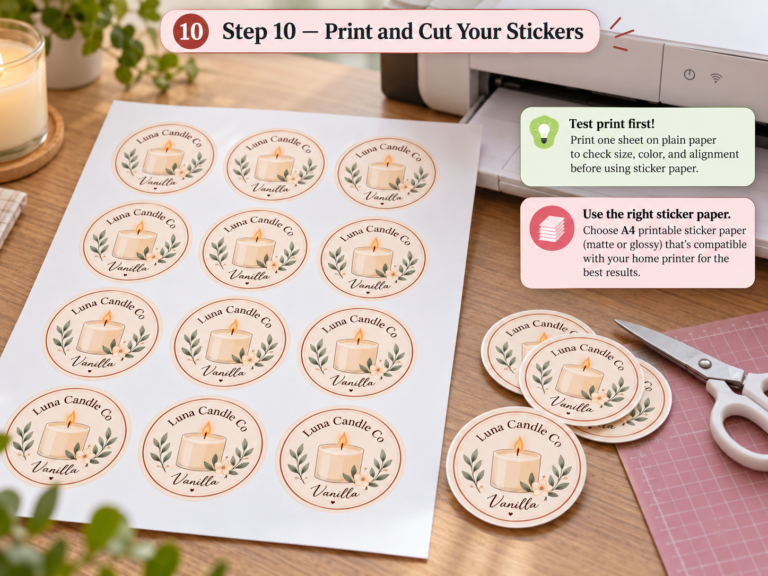
- Paper sticker or stamped seal
- Minimal insert card
What Actually Impresses Customers
- Clean structure
- Logical opening sequence
- Cohesive color palette
Plastic-free does not mean boring.
It means deliberate.
Clear Recycling Messaging That Builds Brand Credibility
Avoid lectures.
Use short, respectful statements.
Proven Messaging Examples
- “This packaging is 100% plastic-free and recyclable.”
- “Designed for reuse or easy recycling.”
- “Printed on recycled paper with eco-friendly inks.”
- “Small choice. Real environmental impact.”
Psychological effect:
Customers feel validated—not instructed.
My Real Experience (busho Practical Insight)
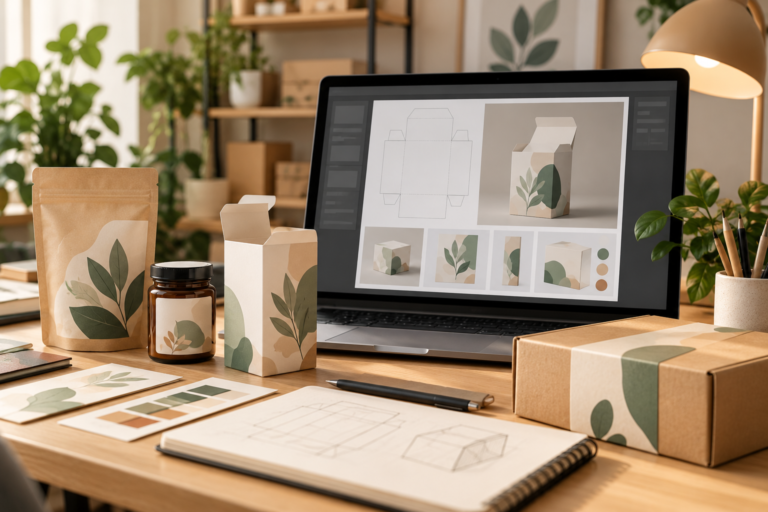
As a packaging designer working with digital packaging templates and sustainable print workflows, I’ve tested this firsthand.
When I switched:
- From coated boxes to recycled kraft
- From laminated finishes to raw paper textures
- From generic inserts to clear recycling language
Client feedback changed immediately.
They didn’t ask why it costs more.
They said “It feels more premium.”
That reaction is packaging psychology in action.
Tools & Materials I Actually Use
- Adobe Illustrator (structural dielines)
- Adobe Photoshop (print mockups)
- FSC-certified kraft papers
- Recycled cardboard stocks (250–350 gsm)
- Water-based and soy-based ink print setups
These choices reduce waste and increase perceived value.
Actionable Steps for Small Brands
- Choose uncoated recycled paper
- Eliminate plastic wherever possible
- Add one clear recycling sentence
- Design structural closure instead of tape
- Let texture do the storytelling
Eco-friendly packaging psychology plays a major role in how customers perceive value.
Eco-friendly packaging is no longer an ethical bonus.
In 2026, it is a pricing strategy, branding tool, and trust signal—especially for small businesses.
FAQ
1. Does sustainable packaging really increase sales?
Yes. It increases trust, which directly affects conversion and repeat purchases.
2. Is eco-friendly packaging more expensive?
Upfront, sometimes. Long-term, it reduces returns and improves brand loyalty.
3. Do customers actually notice recycled materials?
Yes—especially through texture and matte finishes.
4. Can small brands compete using sustainable packaging?
Absolutely. It’s one of the strongest differentiators for small brands.
5. What matters more: material or messaging?
Material first. Messaging reinforces what the customer already feels.
Trusted Sources
- Nielsen: Sustainability & Consumer Trust Reports
- McKinsey: Sustainable Packaging Trends
- Ellen MacArthur Foundation
- Sustainable Packaging Coalition (U.S.)
In 2026, print design isn’t about trends — it’s about relevance.
Learn where real inspiration comes from and how to turn it into designs that actually perform in print.
Where Design Inspiration Really Comes From (And Why Most Designers Miss It)
Print Design Trends & Inspiration: What Actually Works in 2026
Looking for recommended packaging tools, printers, supplies, and software? Visit our Small Business Packaging Tools page.